Nationwide FAA Ground Stop Leaves South Florida Airports Struggling With Flight Delays and Cancellations
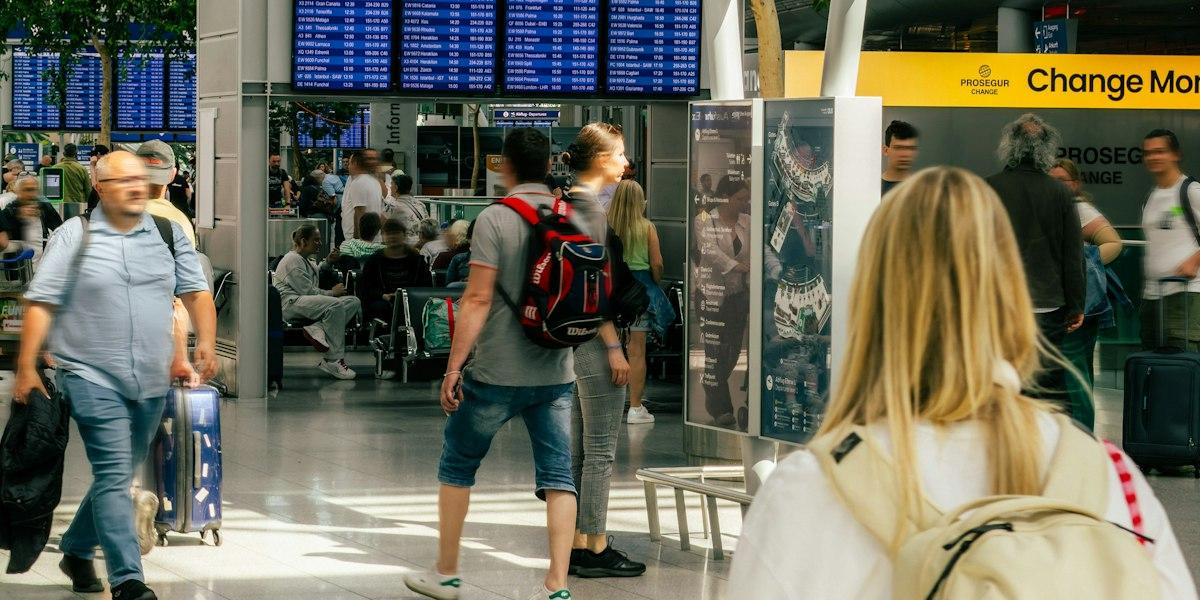
Miami and Fort Lauderdale airports continued facing travel disruptions as airlines worked to recover from a nationwide aviation shutdown.
MIAMI, FLORIDA. Travelers across South Florida continued experiencing flight delays and cancellations on November 14 as Miami International Airport and Fort Lauderdale-Hollywood International Airport worked through the aftermath of a nationwide Federal Aviation Administration ground stop triggered by a telecommunications failure in the U.S. air traffic control system.
The disruption began on Friday, when the FAA temporarily stopped departing flights nationwide after communication and radar systems experienced instability. Although the restriction was lifted, the effects continued into Saturday as airlines attempted to restore schedules, reposition aircraft and crews, and accommodate passengers whose journeys had been interrupted.
South Florida was among the regions experiencing continuing travel difficulties, with hundreds of flights affected across the area's major airports.
The incident demonstrated how a technical problem within the national aviation network can quickly affect travelers, airlines and airport operations far beyond the location where the original failure occurs.
A Nationwide Aviation Disruption
The FAA issued the ground stop after telecommunications problems affected systems used by air traffic controllers.
The restriction was implemented as a precautionary safety measure while officials worked to isolate the problem.
Transportation officials reported that more than 3,500 aircraft were safely brought to the ground after the shutdown began. Once the restriction was lifted, more than 8,000 flight operations resumed during the evening.
However, restoring permission for aircraft to depart did not immediately return the aviation network to its normal operating schedule.
Airlines had to address aircraft and crew positioning problems, delayed departures, missed connections and aircraft arriving outside their scheduled locations.
These complications created a recovery process that continued into Saturday.
Miami International Airport Faces Continuing Disruptions
Miami International Airport experienced the effects of the disruption because of its importance as a major domestic and international aviation gateway.
The airport supports extensive passenger connections throughout the United States, Latin America and the Caribbean.
When flights are delayed or canceled, the consequences can extend beyond individual travelers.
Passengers may miss connecting flights, hotel reservations, business meetings and other scheduled commitments.
International travelers can face additional difficulties when disruptions affect connections between different airlines or require overnight accommodation.
Airport operations also depend on coordinated work involving airline personnel, ground handlers, security teams and transportation providers.
A large-scale disruption can place additional pressure on these services as passengers seek information, alternative flights and assistance.
Fort Lauderdale Also Experiences Travel Problems
Fort Lauderdale-Hollywood International Airport experienced similar operational challenges.
The airport serves a substantial number of domestic travelers and international passengers, particularly those using low-cost and leisure-oriented airline services.
The continuing disruptions affected passengers attempting to depart South Florida as well as travelers scheduled to arrive from other parts of the country.
When aircraft and flight crews become displaced, airlines may have difficulty maintaining their published schedules even after the original technical problem has been resolved.
The recovery process can therefore continue long after the initial shutdown ends.
For travelers, the situation created uncertainty about departure times, connecting arrangements and the availability of replacement flights.
Officials Explain the Technical Failure
Transportation Secretary Sean Duffy and FAA Administrator Bryan Bedford provided additional information about the incident on November 14.
Officials said a contractor was performing routine telecommunications maintenance at a remote FAA location.
The work involved replacing aging copper telecommunications lines with fiber connections.
L3Harris Technologies, a longstanding FAA contractor, was identified as the company responsible for the relevant network.
According to the transportation secretary, a router associated with the transition began generating excessive connection attempts that affected other routers within the air traffic control system.
Officials reported more than 1,000 connection attempts every four to five seconds.
The resulting instability affected communications with aircraft and certain radar feeds.
Authorities said the precise technical failure was still being investigated, including whether the problem involved installation work or equipment malfunction.
Officials also said there was no indication at that stage that the incident was caused by a cyberattack.
The Importance of Aging Aviation Infrastructure
The disruption renewed attention on the condition of the country's air traffic control infrastructure.
Modern aviation depends on reliable telecommunications systems connecting controllers, aircraft and operational facilities.
These systems support communication, radar information and the coordination required to maintain safe aircraft movement.
Replacing aging equipment is a complicated process because the aviation network must remain operational while upgrades are completed.
The transition from older copper-based infrastructure to fiber technology is intended to support modern communications requirements.
However, maintenance and modernization projects must be carefully managed to prevent technical problems from affecting interconnected systems.
The November incident demonstrated the consequences when a problem at one location spreads through a larger operational network.
Economic Consequences for South Florida
Travel disruptions can create financial consequences for businesses beyond airlines and airports.
Miami and Fort Lauderdale depend heavily on tourism, conventions, cruise connections and international commerce.
Visitors arriving for scheduled activities may encounter unexpected accommodation expenses or miss planned reservations.
Hotels, restaurants, transportation companies and tourism operators can also experience changes in customer arrival patterns.
Business travelers may face delays that affect meetings and professional commitments.
Airlines must also manage additional operational expenses associated with disrupted schedules, customer assistance and aircraft repositioning.
The precise financial impact of the incident on South Florida businesses had not yet been established.
Recovery Remains the Immediate Priority
Officials said the national airspace remained open on Saturday, but passengers should continue expecting delays and cancellations while airlines restore normal operations.
The FAA indicated that the system was returning to service, while airlines continued adjusting their schedules.
For South Florida, the disruption highlighted the region's dependence on reliable national aviation infrastructure.
Miami International Airport and Fort Lauderdale-Hollywood International Airport remain essential transportation gateways for the region.
The incident also demonstrated that restoring an air traffic control system requires more than resolving the original technical failure.
Airlines must coordinate aircraft, personnel and passenger movements before normal schedules can resume.
As recovery continued, the central concern remained restoring reliable operations while maintaining the safety standards required across the country's aviation network.

Miami Highlight Contributor
Covers politics, statewide affairs, and long-form investigations across Florida.
This article features partner, contributor, or branded content from a third party. Members of the Miami Highlight editorial staff were not involved in the creation of this content. All views and opinions are those of the contributor alone.
You May Also Like

Miami Beach Polo World Cup Returns to Collins...
Miami International Airport Hosts American Airlines Charity Jet...

Kyle Larson Makes NASCAR History With Third Cup...

Miami Beach Uses Public Art to Honor Veterans...

Miami Beach Voters Reject Proposed 40-Year Lincoln Road...