
Fort Lauderdale Opens New Water Treatment Plant as South Florida Focuses on Drinking Water Quality
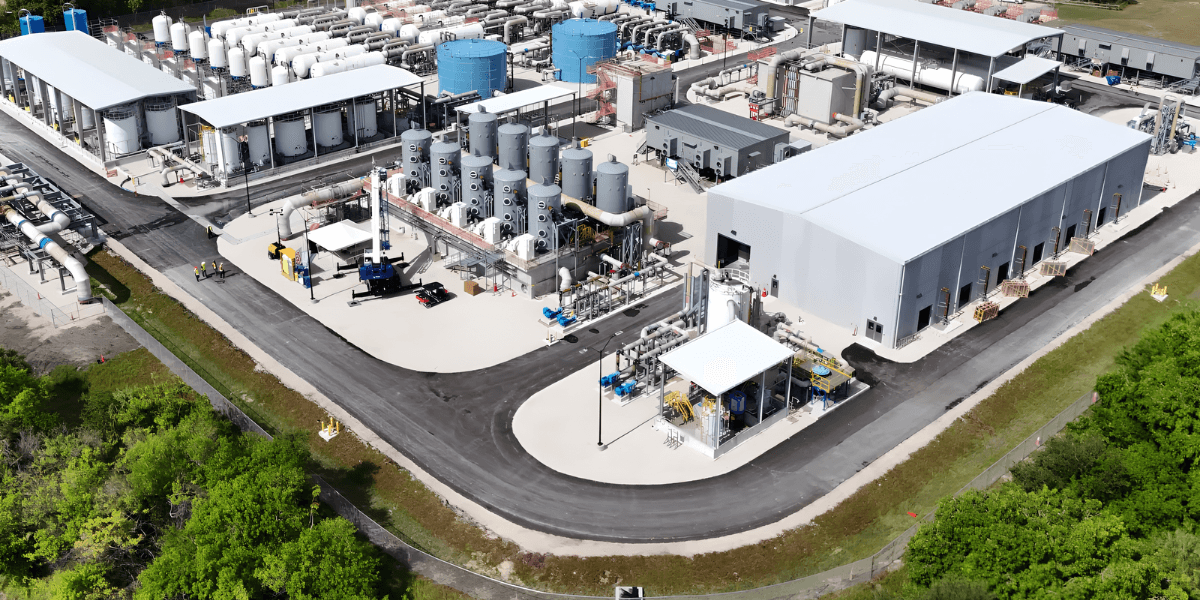
Fort Lauderdale’s new facility modernizes infrastructure to improve regional drinking water quality.
New Facility Addresses Regional Water Infrastructure Needs
Fort Lauderdale’s new water treatment plant became a focus of local attention as officials highlighted the facility’s role in improving drinking water quality and modernizing infrastructure serving South Florida. The project formed part of a broader regional challenge: maintaining reliable water services as communities grow and existing infrastructure requires continued investment.
NBC 6 South Florida reported on the facility in its October 15 coverage, describing the plant as an improvement intended to provide cleaner and clearer drinking water. The development placed public infrastructure at the center of a conversation that affects residents, businesses and local governments across Broward County.
Water treatment facilities are essential to the delivery of safe drinking water. They process water before distribution, using treatment systems designed to address contaminants and meet applicable drinking water standards. Modernization projects can help utilities maintain performance, respond to changing demand and manage aging equipment.
For Fort Lauderdale, the facility represents an investment in an essential public service rather than a project whose importance is limited to a single neighborhood.
Why Water Treatment Matters to South Florida
South Florida’s water systems operate in a distinctive environment shaped by coastal geography, a subtropical climate and continued urban development. Utilities must manage water resources while maintaining infrastructure that serves households, commercial properties, schools, hospitals and industrial users.
Reliable drinking water is particularly important in a region with a large residential population and a substantial hospitality and tourism economy. Hotels, restaurants and other businesses depend on consistent water service for daily operations, while residents rely on utilities for drinking, cooking, cleaning and sanitation.
Treatment facilities must operate within regulatory requirements and respond to changing conditions in source water. Improvements to treatment processes and equipment can support service reliability, although the specific benefits depend on a facility’s design, capacity and operating performance.
The announcement also illustrates the importance of long-term infrastructure planning. Water facilities require maintenance and periodic investment, and decisions about upgrades can affect operating costs, service continuity and the ability to accommodate future demand.
Infrastructure Investment and Local Growth
Population patterns and commercial development influence the demands placed on public utilities. As communities expand, local governments and water providers must assess whether existing systems can continue serving customers effectively.
Infrastructure decisions often require coordination between municipal departments, engineers, regulators and other public agencies. Projects may involve substantial capital expenditure, construction planning and operational changes, all while utilities maintain service to existing customers.
Water treatment investment can also affect the broader local economy. Businesses need dependable utilities to operate, and residential developers consider infrastructure capacity when assessing potential projects.
However, a new facility does not eliminate every challenge facing a regional water system. Distribution pipes, storage, pumping equipment and other components also influence reliability. Continued maintenance and monitoring remain necessary after construction is complete.
The long-term value of the Fort Lauderdale facility will therefore depend not only on its treatment capabilities but also on how it operates within the wider water network.
Public Health and Consumer Confidence
Drinking water quality is a fundamental public service. Treatment systems help utilities manage water quality before distribution, while testing and regulatory oversight provide additional safeguards.
Residents may not regularly see the equipment or processes that make drinking water available, but treatment infrastructure affects everyday life. Reliable service supports household routines, public facilities and businesses that require water throughout the day.
Clear communication from local officials and utilities is also important. Residents need understandable information about infrastructure projects, water quality requirements and any operational changes that affect service.
The description of the new plant as providing cleaner and clearer drinking water signals the intended benefit of the project. Specific conclusions about water quality, however, depend on operational data, testing results and applicable regulatory measurements.
A Long-Term Investment in Essential Services
Fort Lauderdale’s treatment plant highlights the continuing need to maintain and modernize public infrastructure as South Florida’s communities evolve.
The facility’s importance extends beyond the treatment process itself. Water services underpin housing, commercial activity and public health, making investment in reliable systems a continuing responsibility for local authorities.
For residents and businesses, the key issue is whether the infrastructure can deliver consistent service while meeting required standards. For policymakers, the challenge is to balance immediate operational needs with long-term investment and maintenance.
The new facility represents one part of that effort. Its continuing performance and integration with the wider water system will determine how effectively it supports Fort Lauderdale’s water needs in the years ahead.

Miami Highlight Contributor
Covers politics, statewide affairs, and long-form investigations across Florida.
This article features partner, contributor, or branded content from a third party. Members of the Miami Highlight editorial staff were not involved in the creation of this content. All views and opinions are those of the contributor alone.
You May Also Like

Carnegie Mellon Launches Miami Campus as Wynwood Enters...

Dr. Ahriana Platten On Why Menopause May Be...

Cincinnati Bengals Defeat Miami Dolphins 31–24 as Miami’s...

Matthew Fornaro: South Florida Business Litigator

Hurricane Isaias Makes Landfall Near Destin, Bringing Dangerous...