
South Florida Prepares for King Tides and Heavy Rain as Coastal Flooding Risks Increase
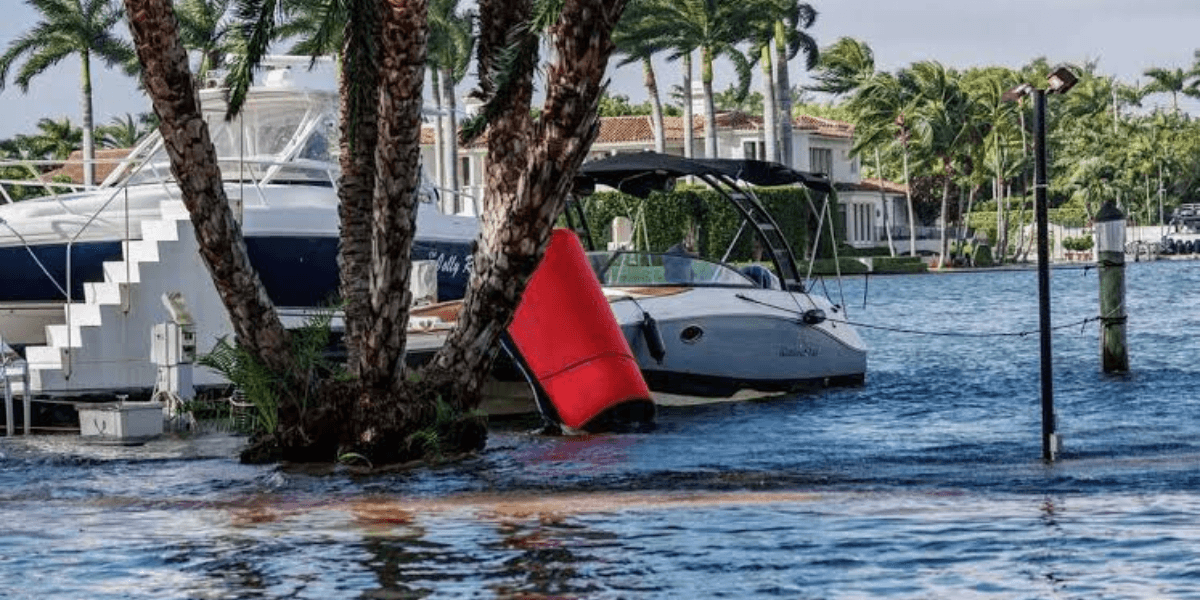
King tides are bringing renewed coastal flooding concerns to South Florida, with heavier rain and gusty winds forecast later in the week.
South Florida residents and local officials are preparing for a period of elevated coastal flooding risk as king tides return to the region and a wetter weather pattern is expected to bring heavy rain and gusty winds later in the week. Forecasters warned that low-lying coastal areas could experience seawater flooding even before the heaviest rainfall arrives, adding another challenge for communities already vulnerable to high tides and drainage problems.
The forecast issued on October 21 called for a relatively pleasant day across Miami-Dade and Broward counties, with temperatures in the low 80s and lower overnight temperatures than those common during the summer. However, the short period of calmer weather was expected to give way to a more unsettled pattern, with scattered showers arriving later in the week and a greater chance of substantial rainfall over the weekend.
The combination of king tides, rainfall and strong winds is important for South Florida because flooding can develop through several overlapping processes. Coastal water levels can rise during unusually high tides, while heavy rain can overwhelm drainage systems or accumulate in areas where water has limited routes to flow away.
King Tides Raise Coastal Flooding Concerns
King tides are especially high astronomical tides that occur when the gravitational influences of the moon and sun align with the effects of their positions relative to Earth. They are a recurring natural phenomenon, but their effects can become more disruptive in communities with low elevations, vulnerable shorelines and limited drainage capacity.
In South Florida, high tides can push seawater into streets, parking areas and other low-lying locations. Flooding can occur even without a tropical storm or hurricane, particularly where coastal water levels are already elevated or drainage outlets are affected by the tide.
The forecast indicated that minor coastal seawater flooding was possible in vulnerable areas as the tides returned. The risk was particularly relevant to coastal neighborhoods and roads that have experienced recurring tidal flooding during high-water periods.
Such events can disrupt everyday activities even when water levels remain relatively shallow. Drivers may encounter flooded streets, businesses can face temporary access problems, and residents may need to move vehicles or avoid low-lying routes during peak tides.
Local conditions can vary significantly from one neighborhood to another. Elevation, drainage infrastructure, proximity to the shoreline and the timing of high tide all influence whether a particular street experiences flooding.
Heavier Rain Expected Later in the Week
The weather outlook also called for a stronger rain system to affect South Florida as the week progressed. Scattered showers were expected to develop before a wetter pattern brought an increased risk of heavy rainfall, localized flooding and gusty winds over the weekend.
Forecasts indicated that some areas could receive substantial rainfall, with the potential for periods of intense downpours. Rainfall rates can matter as much as total accumulation because large amounts of water falling in a short period can overwhelm drainage systems before the water has time to disperse.
The Weather Prediction Center placed much of South Florida under a Level 2 risk of excessive rainfall for Sunday, indicating that localized flooding was possible. Forecasters also warned that isolated areas could experience flash flooding, especially where heavier thunderstorms develop or drainage is limited.
A forecast risk level does not mean flooding will occur everywhere. The location and intensity of individual rain bands can change, and rainfall totals may vary over short distances. Residents should therefore pay attention to updated forecasts rather than assuming that conditions will be identical throughout the region.
Wind and Marine Conditions Add to the Hazards
The unsettled forecast also included a continued risk of strong rip currents along Atlantic beaches. Rip currents are powerful channels of water moving away from shore and can pull swimmers away from shallow water even when the ocean appears manageable.
Beachgoers face additional hazards when rougher surf coincides with changing weather. A high rip-current risk can make swimming dangerous, and conditions may differ from one beach to another depending on waves, currents and local shoreline features.
Boaters were also facing choppy conditions, with a small-craft advisory remaining in effect. Stronger winds can create rough seas, reduce visibility during showers and make it more difficult for smaller vessels to operate safely.
Forecasters warned that wind gusts could reach approximately 30 to 40 miles per hour or stronger during parts of the weekend and early the following week. These conditions could affect marine activities, exposed outdoor equipment and travel in areas affected by heavy rain.
The combination of coastal flooding, strong currents and rough marine conditions highlights why a period without a named tropical storm can still present meaningful weather risks in Florida.
Why South Florida Is Particularly Vulnerable
South Florida's low-lying geography makes it vulnerable to both coastal and rainfall-related flooding. Much of the region is built on relatively flat terrain, meaning water can drain slowly in some locations. Coastal water levels can also affect drainage outlets, limiting how quickly rainwater moves away from streets.
As development continues, the performance of drainage systems, pumps, canals and other infrastructure remains important to managing flood risks. Even where drainage improvements have been made, intense rainfall or unusually high tides can create conditions that exceed the capacity of local systems.
Flooding can affect transportation, business operations and access to essential services. A road that becomes impassable may delay emergency response or make it harder for workers to reach their jobs. Repeated minor flooding can also create maintenance costs for property owners and local governments.
The impacts are not limited to properties directly beside the ocean. Heavy rain can cause flooding inland, while high tides may affect the drainage of neighborhoods connected to coastal waterways.
Residents Urged to Monitor Conditions
The outlook underscores the importance of tracking both tide schedules and updated weather warnings. Residents in flood-prone areas can reduce disruption by avoiding water-covered roads, moving vehicles from known low points when appropriate and securing loose outdoor items before strong winds arrive.
Drivers should not attempt to cross flooded roads when the depth or condition of the roadway is uncertain. Water can conceal damaged pavement or moving currents, and even shallow flooding can cause a vehicle to lose traction.
People planning beach or boating activities should also check marine forecasts and local advisories before heading out. A sunny period between showers does not necessarily mean that rip currents or rough-water conditions have ended.
The forecast for South Florida illustrates how several ordinary weather processes can combine to create a more complicated risk. King tides can raise coastal water levels, heavy rain can strain drainage systems, and gusty winds can complicate travel and marine activity.
While the severity of conditions will depend on the precise location and timing of the weather system, residents across Miami-Dade, Broward and surrounding coastal areas face a week in which careful attention to changing forecasts will be important.

Miami Highlight Contributor
Covers politics, statewide affairs, and long-form investigations across Florida.
This article features partner, contributor, or branded content from a third party. Members of the Miami Highlight editorial staff were not involved in the creation of this content. All views and opinions are those of the contributor alone.
You May Also Like

South Florida Commercial Real Estate Sales Slow as...

Miami Hurricanes Defeat Florida State 43–35 in Double-Overtime...
Fort Lauderdale Opens New Water Treatment Plant as...

Carnegie Mellon Launches Miami Campus as Wynwood Enters...

Dr. Ahriana Platten On Why Menopause May Be...