
South Florida Urged to Stay Hurricane Ready as Peak Storm Season Nears
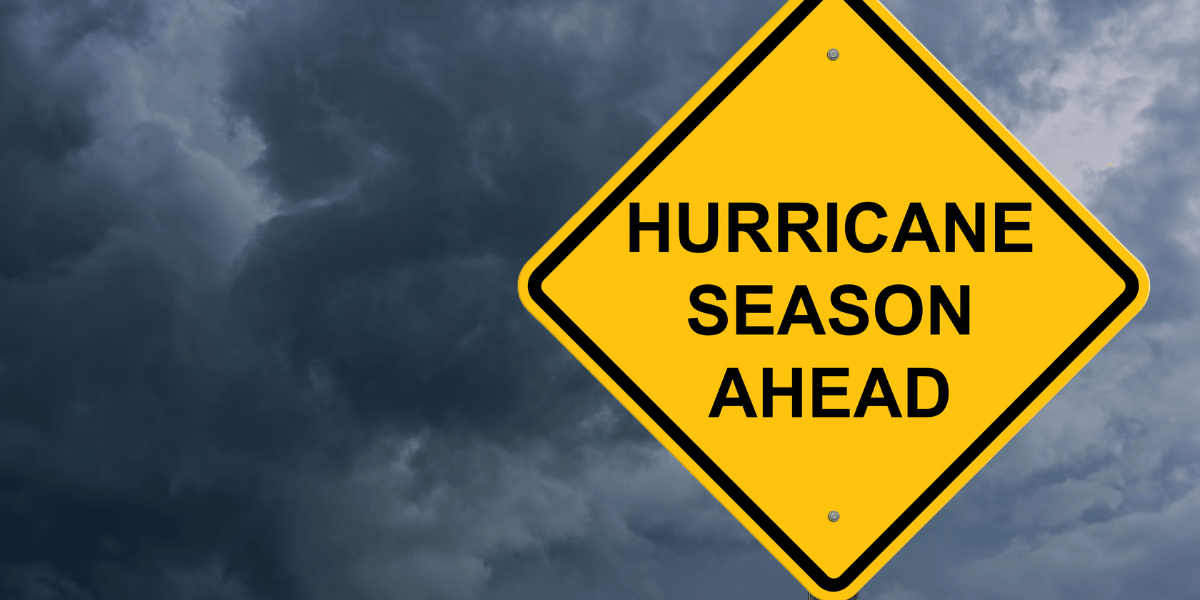
With August approaching, emergency management officials across Florida are encouraging residents to review hurricane preparedness plans as forecasters continue monitoring an active Atlantic hurricane season. The reminder comes as the state enters the period that historically produces the highest frequency of tropical storms and hurricanes, prompting local agencies to reinforce public awareness campaigns throughout South Florida.
Although no major hurricane threatened South Florida on July 30, emergency officials emphasized that preparedness should begin well before any storm develops. The National Hurricane Center and local emergency management agencies continue monitoring tropical activity across the Atlantic Basin while encouraging residents to stay informed through official forecasts rather than waiting until watches or warnings are issued.
For Miami-Dade, Broward, and Palm Beach counties, hurricane readiness remains a year-round priority. The region’s large coastal population, extensive transportation network, and critical infrastructure make early preparation essential for reducing potential impacts from severe weather.
Peak of Hurricane Season Is Weeks Away
The Atlantic hurricane season officially began on June 1 and continues through November 30, but historical weather records show that activity typically increases significantly during August and September.
Meteorologists attribute this seasonal pattern to warmer ocean temperatures and atmospheric conditions that become increasingly favorable for tropical cyclone development during late summer. These factors allow weather systems moving across the Atlantic Ocean to organize more efficiently, increasing the likelihood that tropical disturbances strengthen into named storms.
Emergency officials note that forecasts improve substantially as storms develop, but they stress that preparation should occur before any system threatens land.
South Florida Continues Investing in Preparedness
Miami-Dade County and neighboring communities continue investing in emergency planning, flood mitigation projects, evacuation planning, and public communication systems designed to improve resilience during hurricane season.
Local governments routinely coordinate with state and federal agencies before periods of increased tropical activity. Emergency operations centers regularly review response procedures while public works departments inspect drainage systems and critical infrastructure ahead of the most active months of the season.
Officials also encourage residents to become familiar with evacuation zones, particularly those living near the coast or in areas vulnerable to storm surge and flooding.
Residents Encouraged to Prepare Early
Emergency management experts recommend that households maintain several days’ worth of essential supplies, including drinking water, nonperishable food, medications, flashlights, batteries, and important personal documents stored in waterproof containers.
Residents are also encouraged to review insurance coverage, inspect shutters or other storm protection systems, and identify communication plans for family members should severe weather interrupt normal services.
Business owners are similarly advised to review continuity plans, protect electronic records, and understand procedures for reopening operations following significant weather events.
Officials consistently emphasize that preparation completed before a storm develops can reduce both safety risks and recovery time.
Technology Improves Forecast Accuracy
Advances in satellite technology, weather modeling, and aircraft reconnaissance have significantly improved hurricane forecasting over the past several decades.
Today’s forecasts provide emergency managers with earlier notice of potential threats, allowing local governments to coordinate resources and communicate with residents more effectively. While forecasting storm intensity remains challenging, improvements in track prediction have helped communities make better-informed decisions regarding evacuations and emergency preparations.
Meteorologists continue using data collected from satellites, ocean buoys, radar systems, and hurricane reconnaissance aircraft to monitor developing systems throughout the season.
Looking Ahead
As Florida approaches the climatological peak of hurricane season, emergency officials say preparedness remains the most effective tool available to residents and businesses. While forecasting continues to improve, every hurricane season presents unique challenges, making individual preparation an important part of community resilience.
For South Florida, where millions of residents live along the coast, annual preparedness efforts have become a routine but essential part of life. Officials encourage residents to remain informed through trusted weather sources, understand local emergency plans, and complete preparations before tropical weather becomes an immediate threat.
Although no significant storm affected South Florida on July 30, the message from emergency managers remains consistent: the best time to prepare for hurricane season is before the next storm appears on the forecast.

Miami Highlight Contributor
Covers politics, statewide affairs, and long-form investigations across Florida.
This article features partner, contributor, or branded content from a third party. Members of the Miami Highlight editorial staff were not involved in the creation of this content. All views and opinions are those of the contributor alone.
You May Also Like

Beatrice Deliperi: Innovation in U.S. Finance

Wall Street Rebounds as Technology Stocks Lead Market...
Crane Collapse in Miami’s Brickell Neighborhood Sends Four...

Miami Marlins Defeat Los Angeles Dodgers 4-3 as...

Inter Miami Draws Record Crowd in 1-1 Match...