
Record King Tides Flood Miami Beach and Broward as Coastal Water Levels Reach New Highs
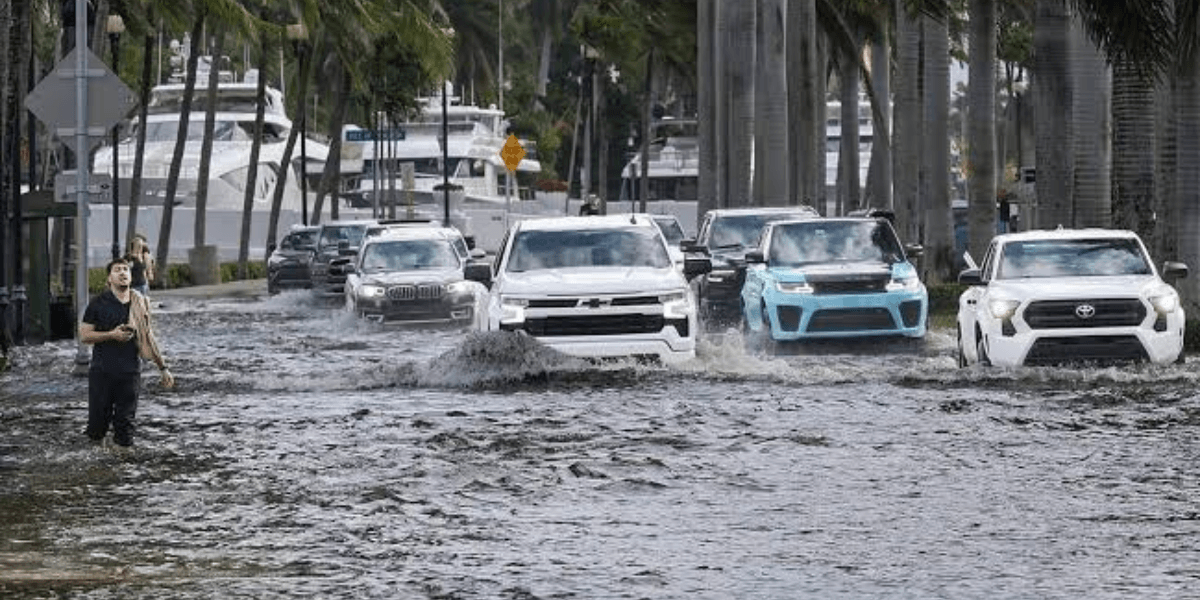
South Florida faces widespread saltwater flooding as exceptionally high tides and strong onshore winds inundate coastal roads and low-lying neighborhoods.
South Florida experienced another significant round of coastal flooding as king tides combined with strong onshore winds to push seawater into streets, neighborhoods and waterfront commercial areas. Miami-Dade and Broward counties faced elevated flood risks on October 27, with tide gauges recording exceptionally high water levels and officials warning residents about hazardous conditions.
The flooding was driven primarily by the combination of astronomical tides and winds pushing water toward the coast, rather than by heavy rainfall alone. The conditions affected low-lying areas from Miami Beach to Fort Lauderdale, highlighting the vulnerability of communities where roads, drainage systems and buildings sit close to sea level.
Tide Gauges Record Unusually High Water
In Broward County, the tide gauge at Port Everglades recorded its highest water level since records began there in 2018. Near Miami, the Virginia Key gauge registered its third-highest water level on record, reaching a level comparable to the peak associated with Hurricane Wilma in 2005.
The readings underscored the seriousness of the flooding, although individual neighborhoods experienced different impacts depending on their elevation, proximity to waterways and drainage infrastructure.
Water inundated streets in parts of Miami Beach and other coastal communities, affecting transportation and access to waterfront properties. In Broward, some low-lying locations faced saltwater flooding that reached roads and threatened homes and businesses.
Authorities continued monitoring conditions as another high-tide cycle approached. Forecasts indicated that elevated water levels could persist into Wednesday morning, even as winds began to ease.
Why King Tides Became More Disruptive
King tides are exceptionally high tides associated with predictable astronomical alignments involving the moon and sun. They occur seasonally and are not, by themselves, evidence that a hurricane or other major storm is approaching.
However, the effects can intensify when strong winds push seawater toward land. When the ocean and connected waterways rise, water can move into streets through drainage networks and low-lying openings. The result can be flooding even when rainfall is modest.
South Florida's geography makes the region particularly exposed. Much of the coastal area has low elevation, and neighborhoods are connected to an extensive system of canals, inlets and waterways. During high tides, the water level in those systems can limit how effectively drainage infrastructure removes runoff.
Rising sea levels can further increase the frequency and reach of tidal flooding, making some locations more susceptible to water intrusion during events that previously caused less disruption.
Saltwater Creates Additional Hazards
Floodwater from the ocean is not simply a temporary inconvenience. Saltwater can corrode vehicle components, damage electrical systems and affect building materials. Water entering homes and businesses can create costly cleanup requirements, particularly when it reaches electrical equipment, appliances or stored goods.
Drivers were urged to avoid flooded roads rather than attempting to pass through water of uncertain depth. Even shallow-looking water can conceal road damage or other hazards, while moving water can make vehicles difficult to control.
Beach conditions were also dangerous. Strong winds and rough seas contributed to a high risk of rip currents along Atlantic beaches. People were advised to avoid swimming and to follow current marine and weather warnings.
Boaters faced separate concerns from rough water and strong winds. Small vessels can be particularly vulnerable when conditions deteriorate quickly, and marine advisories remained important for anyone planning to travel offshore or through coastal inlets.
Communities Prepare for Continued High Water
Local governments and residents have increasingly relied on temporary measures to reduce the effects of recurring tidal flooding. Sandbags, barriers, pumps and road closures can limit some impacts, but they cannot eliminate risk when water levels remain elevated.
The effectiveness of these measures depends on the duration of flooding, the direction of water movement and the condition of local drainage systems. In some neighborhoods, water may remain on streets after the highest tide has passed because it cannot drain away immediately.
For businesses along waterfront corridors, preparation can include protecting equipment, moving merchandise away from ground-level entrances and planning for temporary access restrictions. Residents may need to move vehicles and avoid storing vulnerable belongings in areas that have flooded previously.
Officials also depend on residents reporting hazardous conditions and following local guidance as water levels change.
A Recurring Test for South Florida
The latest flooding illustrates a persistent challenge for Miami-Dade and Broward counties. Seasonal king tides are predictable, but the severity of their effects depends on the interaction between ocean levels, winds, local geography and infrastructure.
Temporary defenses can reduce damage during individual events, while long-term adaptation may require drainage improvements, upgraded infrastructure, changes to building practices and careful planning for vulnerable neighborhoods.
As South Florida continued through another cycle of unusually high tides, residents faced the immediate task of navigating flooded areas while local agencies monitored the next high-water period.
The event serves as a reminder that serious coastal flooding does not always require a hurricane or a major rainstorm. In a low-lying region, exceptionally high tides and persistent onshore winds can be enough to disrupt roads, threaten property and place additional demands on emergency and public works teams.

Miami Highlight Contributor
Covers politics, statewide affairs, and long-form investigations across Florida.
This article features partner, contributor, or branded content from a third party. Members of the Miami Highlight editorial staff were not involved in the creation of this content. All views and opinions are those of the contributor alone.
You May Also Like

Miami-Dade Voters Prepare for Municipal Elections as Early...
King Tides Flood South Florida Streets as Coastal...

South Dade Families Gather for Spook & Slam...
South Florida Prepares for King Tides and Heavy...

South Florida Commercial Real Estate Sales Slow as...