
Miami Voters Approve $450 Million Public Safety Bond While Rejecting Virginia Key Marina Redevelopment
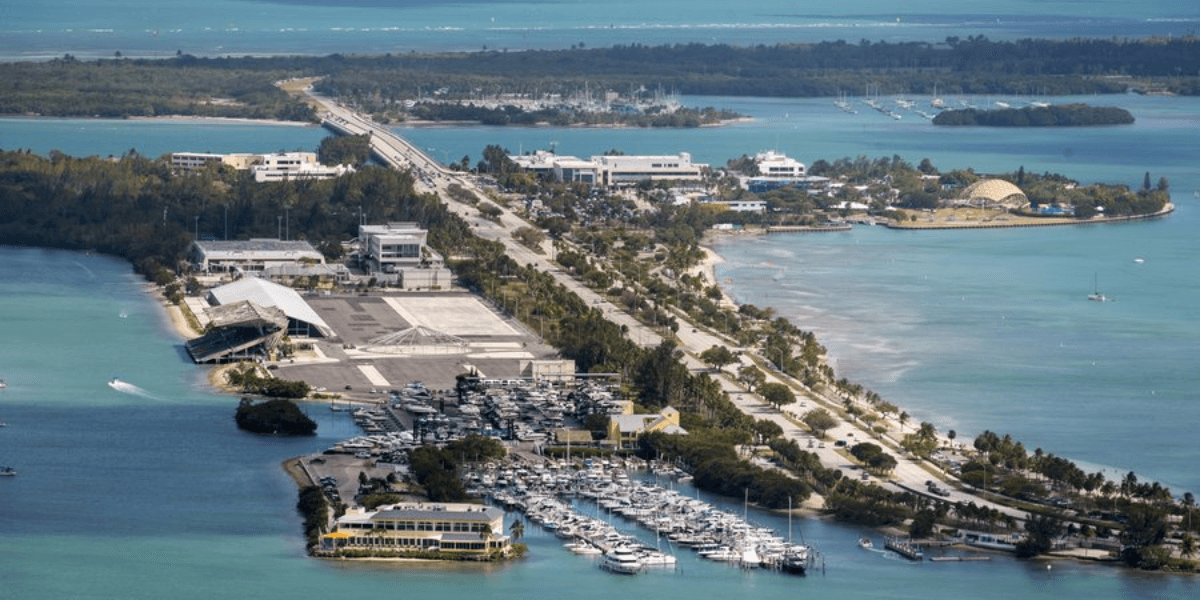
Miami voters approve a $450 million public safety bond while rejecting a proposed long-term Virginia Key marina redevelopment deal.
Miami voters approved a $450 million public safety bond proposal while rejecting a separate plan to redevelop two Virginia Key marinas, delivering two significant decisions affecting the city's infrastructure, waterfront and long-term development priorities.
The results emerged from the November 3 municipal referendum, which placed major public investment and waterfront development questions before Miami residents. The decisions will influence how the city approaches aging emergency facilities and the future of publicly owned waterfront property.
The public safety measure authorizes the city to issue general obligation bonds for improvements to police and fire-rescue infrastructure. The marina proposal, meanwhile, would have permitted a private developer to lease approximately 27.5 acres of city-owned land for a substantial redevelopment project.
The contrasting outcomes demonstrated that voters were willing to support major infrastructure spending while declining a proposed long-term private development arrangement involving a prominent public waterfront location.
Public Safety Infrastructure Receives Voter Approval
The approved public safety referendum authorizes up to $450 million in general obligation bonds to address deteriorating police and fire-rescue facilities.
The proposed investment includes the construction of a new public safety headquarters and improvements to existing emergency response infrastructure. The plan also provides for new fire stations and the replacement or renovation of aging facilities.
The city had identified infrastructure conditions as an important concern as Miami continued experiencing population growth and increasing demands on municipal services.
Police and fire-rescue facilities play an essential role in emergency response operations. Their condition can affect equipment storage, staff operations, communications and the ability of emergency personnel to coordinate their work.
The bond authorization provides a funding mechanism for addressing those requirements through long-term borrowing.
Under the proposal, the debt millage rate cannot exceed 0.5935 mills. City officials presented the measure as an opportunity to finance infrastructure improvements without increasing the existing property tax rate dedicated to capital project debt.
The approval does not mean that all projects will be completed immediately. Individual construction projects will require planning, design, procurement and implementation.
The city will also need to manage borrowing, project costs and construction schedules as the program advances.
Virginia Key Marina Redevelopment Rejected
A separate referendum concerning Virginia Key produced a different outcome.
Voters rejected a proposal that would have authorized a private developer to lease approximately 27.5 acres of public land for redevelopment of the Rickenbacker and Marine Stadium marinas.
The proposed arrangement included an initial 45-year lease, with two potential 15-year renewal periods.
The development plan included approximately $80 million in privately funded investment for marina improvements, boat storage, restaurants, retail facilities and public parking.
The financial proposal also included minimum guaranteed annual rent of approximately $2.2 million, subject to increases, alongside a share of gross revenue.
The proposed lease would have represented a long-term arrangement involving an important portion of Miami's waterfront.
Supporters highlighted the prospect of private investment and improvements to existing marina facilities. Opponents raised concerns about the length of the proposed lease, public access and the future control of city-owned waterfront property.
The rejection means the proposed arrangement did not receive the voter authorization required to proceed in its presented form.
The result leaves the city with the responsibility of considering how existing marina infrastructure should be maintained and what alternatives may be available for future improvements.
Different Priorities Shape the Two Decisions
The outcomes of the two referendums illustrate the different considerations involved in municipal infrastructure decisions.
The public safety bond proposal focused on essential government facilities and emergency response capabilities.
The marina proposal involved a commercial redevelopment arrangement affecting public land and recreational waterfront access.
Although both measures involved substantial financial and infrastructure considerations, their different outcomes demonstrate that voters evaluate projects according to their perceived public benefits, financial structures and long-term consequences.
For Miami, the public safety approval establishes a significant capital investment program that will require careful oversight.
The marina rejection creates a separate planning challenge because the city must determine how to address the condition and future use of the affected waterfront facilities.
Implications for Miami's Development Priorities
The decisions carry implications for municipal budgeting, public infrastructure and waterfront planning.
The public safety bond program will require coordination among city departments, contractors, architects and emergency service agencies.
Construction projects must account for operational continuity because police and fire-rescue services cannot simply stop functioning while facilities undergo improvements.
The city will also need to monitor borrowing costs, procurement procedures and project delivery to ensure that the authorized funds are managed responsibly.
The Virginia Key outcome presents a different set of considerations. The city will need to evaluate its options for maintaining the marinas and addressing infrastructure needs without the proposed private development agreement.
The result may also influence future discussions about public-private partnerships involving municipal waterfront properties.
A Significant Election for Miami's Infrastructure
The November 3 decisions established two distinct directions for Miami's infrastructure priorities.
Voters supported a substantial financing mechanism for public safety facilities while declining a proposed long-term marina redevelopment arrangement.
Both decisions will require further municipal action, although their immediate consequences differ.
For residents, the public safety measure provides a framework for improving essential emergency facilities. The marina referendum preserves the existing public ownership arrangement without authorizing the proposed lease.
Together, the results demonstrate the influence of local ballot decisions on how Miami manages public assets, finances infrastructure and plans for its future growth.

Miami Highlight Contributor
Covers the local desk, reporting on the neighbourhoods, businesses, and people of greater Miami.
This article features partner, contributor, or branded content from a third party. Members of the Miami Highlight editorial staff were not involved in the creation of this content. All views and opinions are those of the contributor alone.
You May Also Like

Miami Beach Uses Public Art to Honor Veterans...
Miami Beach Voters Reject Proposed 40-Year Lincoln Road...

Miami Dolphins Fall to New England Patriots as...

Miami-Dade Brings Halloween Into the Streets With Family...

Miami-Dade Voters Prepare for Municipal Elections as Early...