
Miami Beach Voters Reject Proposed 40-Year Lincoln Road Lease Extension and Development Expansion
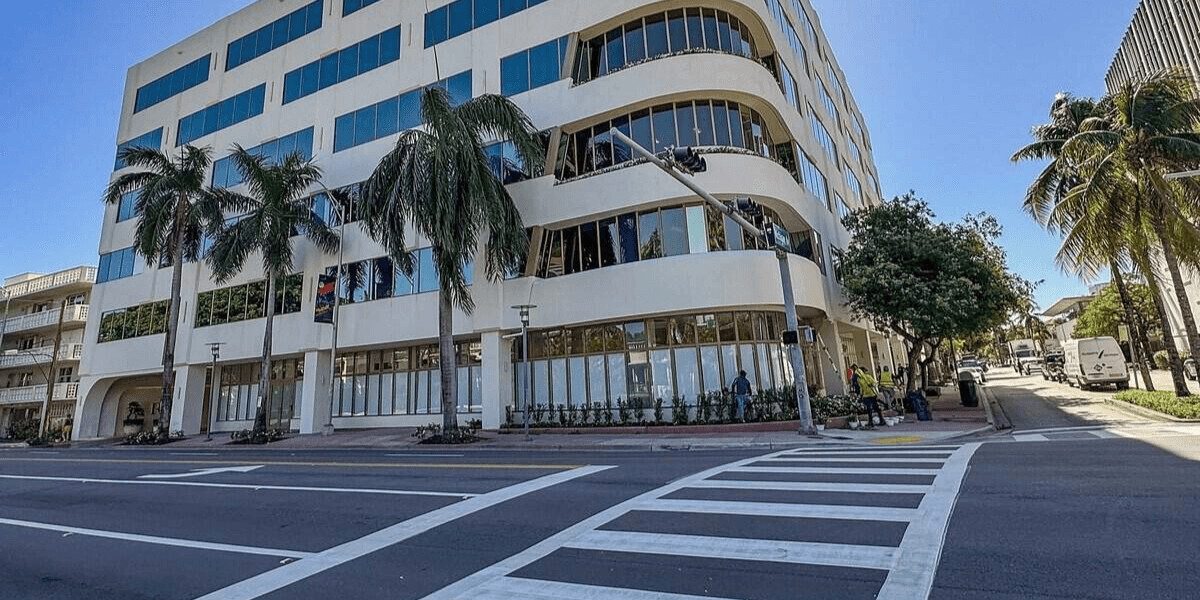
Miami Beach voters reject a 40-year lease extension and expansion proposal at 1691 Michigan Ave by a 62.6% majority vote.
Miami Beach voters rejected a proposal to extend a private developer's lease on a city-owned property near Lincoln Road, preventing a planned expansion of office and commercial space above an existing municipal parking garage.
The November 3 referendum results, reported on November 5, showed that approximately 62.6% of participating voters opposed the proposal involving the property at 1691 Michigan Avenue. The measure received 15,406 votes against and 9,203 in favor, according to unofficial election results.
The decision represents a significant development for Miami Beach's approach to public property management, commercial development and long-term agreements involving privately operated projects on municipal land.
The proposal would have granted RK Rivani LLC two additional 20-year lease extension options while allowing approximately 47,000 square feet of additional development above the existing parking garage.
Its rejection leaves the existing lease arrangement in place and prevents the proposed expansion from proceeding under the referendum's terms.
A Long-Term Agreement Involving Public Property
The referendum centered on a proposed amendment to the existing ground lease between Miami Beach and RK Rivani LLC.
The property is located at 1691 Michigan Avenue, near the Lincoln Road commercial district, an important destination for shopping, restaurants, offices and visitor activity.
Under the proposed amendment, the developer would have received two additional 20-year extension options.
The agreement also included authorization for approximately 47,000 square feet of additional construction above the existing municipal garage.
The proposal would have changed the financial terms of the arrangement, including an increase in the percentage rent paid to the city.
The proposed agreement included projected base rent of approximately $247.7 million over the two extension periods, together with estimated percentage rent of approximately $184.1 million.
The city also projected additional revenue from increasing the percentage-rent arrangement from 2.5% to 3%.
These financial provisions were central to the discussion surrounding the referendum because the proposal involved a long-term commitment of public property and potential commercial development.
Voters Reject the Proposed Expansion
The unofficial results showed a clear majority opposing the amendment.
Approximately 62.6% voted against the proposal, compared with 37.4% who supported it.
The result means the additional lease extensions and development authorization did not receive the voter approval required for implementation.
The existing 1999 lease arrangement remains in place rather than being replaced by the proposed amendment.
The outcome also demonstrates the importance of voter approval in certain decisions involving municipal property.
Long-term ground leases can influence how public assets are used, how revenue is generated and what development opportunities become available in surrounding commercial districts.
For Miami Beach, the referendum presented a decision involving potential financial benefits alongside questions about the future use of city-owned property.
Lincoln Road's Commercial Importance
Lincoln Road is one of South Florida's best-known pedestrian-oriented commercial districts.
Its surrounding businesses include restaurants, retail establishments, offices and entertainment venues serving residents and visitors.
The district plays an important role in Miami Beach's local economy because it attracts visitors while providing commercial opportunities for businesses operating throughout the area.
Development proposals near established commercial districts can affect parking availability, pedestrian activity, infrastructure and the relationship between public and private property.
The proposed expansion at 1691 Michigan Avenue would have added office and restaurant-related development above an existing municipal parking facility.
Such projects can create additional commercial space, but they also require consideration of building design, transportation access and the long-term use of municipal infrastructure.
The referendum placed those questions before local voters.
Implications for Municipal Revenue and Development
The rejection does not eliminate the city's existing relationship with the property's developer.
Instead, it prevents the proposed amendment from taking effect under the terms presented to voters.
The existing lease therefore remains the basis for the property's current arrangement.
For municipal officials, the result creates a need to evaluate future options within the existing contractual framework.
The financial considerations are particularly relevant because public parking facilities and city-owned commercial properties can generate revenue that supports municipal operations.
Long-term agreements also influence how cities plan infrastructure and manage assets that may become increasingly valuable as surrounding districts develop.
Miami Beach will need to consider these factors when evaluating future proposals involving publicly owned commercial property.
Public Participation Shapes the City's Development Direction
The referendum demonstrates how local elections can influence development decisions that might otherwise be addressed primarily through negotiations between municipal officials and private companies.
By placing the proposed amendment before voters, the city allowed residents to determine whether the additional lease rights and construction authorization should proceed.
The outcome also provides an indication of the level of public support for the particular agreement.
It does not necessarily represent opposition to all commercial development in Miami Beach.
Rather, it reflects the decision on a specific proposal involving a specific property, financial arrangement and development plan.
A Significant Decision for Miami Beach
The November election result establishes an important point in the future of the 1691 Michigan Avenue property.
The proposed 40-year extension and additional development rights were rejected, leaving the existing lease structure in place.
For Miami Beach, the decision highlights the continuing importance of balancing municipal revenue, private investment and public control over city-owned assets.
As the city considers future development opportunities, the referendum will remain a significant example of how residents can influence the management and long-term use of public property.

Miami Highlight Contributor
Covers the local desk, reporting on the neighbourhoods, businesses, and people of greater Miami.
This article features partner, contributor, or branded content from a third party. Members of the Miami Highlight editorial staff were not involved in the creation of this content. All views and opinions are those of the contributor alone.
You May Also Like

Miami Beach Uses Public Art to Honor Veterans...
Miami Voters Approve $450 Million Public Safety Bond...

Miami Dolphins Fall to New England Patriots as...

Miami-Dade Brings Halloween Into the Streets With Family...

Miami-Dade Voters Prepare for Municipal Elections as Early...