
South Florida Heat Advisory Puts Miami-Dade and Broward on Alert
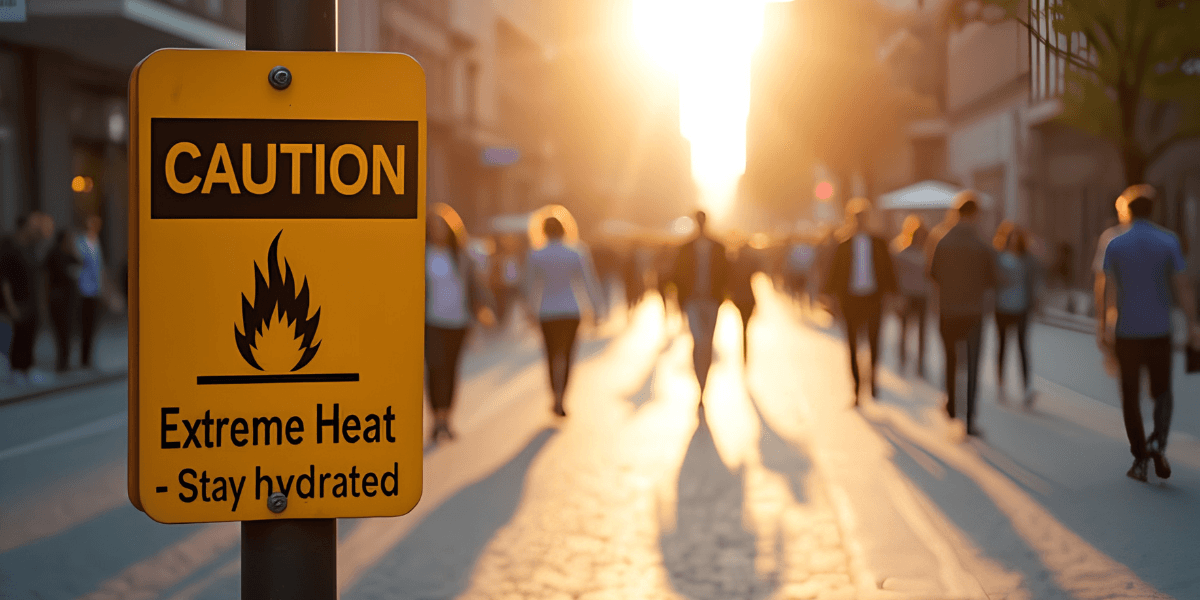
South Florida residents faced another dangerous heat episode as unusually high heat-index readings prompted authorities to warn communities across Miami-Dade and Broward counties.
The weather situation placed everyday activities, outdoor work and public health under added pressure as temperatures climbed into the 90s and humidity pushed perceived temperatures substantially higher. Local forecasters reported that conditions could make it feel as hot as 105 to 110 degrees in parts of the region.
The heat advisory represented one of the more immediate weather-related concerns for South Florida communities, where prolonged heat and humidity can create health risks even when actual air temperatures remain below the levels associated with extreme heat records.
High Heat Across South Florida
The National Weather Service has repeatedly emphasized that heat index values provide a better indication of how dangerous conditions can become because they account for humidity as well as air temperature. High humidity reduces the body’s ability to cool itself through evaporation, making prolonged exposure more difficult to tolerate.
The advisory affecting Broward and Miami-Dade came during a period of persistent summer heat across South Florida. Forecast highs were expected to reach the low to mid-90s, while humidity pushed the apparent temperature considerably higher.
For residents, the combination was particularly relevant during the middle of the day, when solar heating and humidity could make outdoor conditions substantially more stressful.
Outdoor Workers Face Added Risk
Heat conditions are especially significant for people whose jobs require extended periods outdoors. Construction workers, landscapers, delivery personnel, agricultural workers and other outdoor employees can face prolonged exposure with limited opportunities to cool down.
The National Weather Service has previously warned that elevated heat-index values can contribute to heat illness and recommends precautions such as drinking adequate fluids, taking breaks in shaded or air-conditioned locations and reducing strenuous outdoor activity during the hottest portion of the day.
Employers also have responsibilities under federal workplace-safety principles when workers face hazardous heat. The Occupational Safety and Health Administration has recommended frequent rest breaks and access to shaded or air-conditioned recovery areas during periods of dangerous heat.
Why Humidity Matters
South Florida’s climate makes heat management especially important because high humidity can remain elevated even when temperatures appear familiar to residents.
A temperature in the low 90s may not initially appear extraordinary for Miami or Fort Lauderdale, but a heat index approaching or exceeding 105 degrees represents a substantially different level of exposure. The body’s cooling system must work harder, and people can become dehydrated more quickly.
The danger is not limited to older adults. Children, people exercising outdoors and workers performing physically demanding tasks can also be vulnerable when exposure lasts for several hours.
Heat Remains a Regional Challenge
The recurring advisories illustrate a broader challenge for South Florida communities. Heat is not an isolated weather issue but a factor affecting transportation, construction, recreation, energy demand and public health.
For households, the immediate concern is often maintaining a safe indoor environment while limiting unnecessary exposure during the hottest hours. For businesses and public agencies, prolonged heat can require changes to outdoor schedules and additional attention to workers and vulnerable populations.
The South Florida episode also underscored why heat advisories remain an important part of routine summer weather monitoring. Unlike hurricanes or severe thunderstorms, extreme heat can develop without dramatic visual warning, yet its health consequences can become serious when exposure is prolonged.
What Residents Needed to Know
The most important message from local forecasters was that the heat index, rather than the thermometer alone, should guide decisions about outdoor activity.
Residents spending extended periods outside were advised to remain hydrated, seek air conditioning or shade and avoid unnecessary strenuous activity during peak heat. People responsible for children, older relatives or outdoor workers also needed to pay attention to signs of heat-related illness.
For South Florida, where high temperatures are a normal feature of summer, the episode demonstrated the difference between ordinary seasonal heat and conditions capable of creating an elevated health risk.

Miami Highlight Contributor
Covers politics, statewide affairs, and long-form investigations across Florida.
This article features partner, contributor, or branded content from a third party. Members of the Miami Highlight editorial staff were not involved in the creation of this content. All views and opinions are those of the contributor alone.
You May Also Like

Teleplay Sureste: The Voice of Southeast Mexico

Atlantic Health Strategies: Modernizing Behavioral Health Through Purpose-Built...

Miami Dolphins Lose Star Running Back De'Von Achane...

Miami Hurricanes Dominate Central Michigan 52-3 at Hard...

Meet the Pharmacist-Formulated Body Care Brand Growing in...