
South Florida Commercial Real Estate Sales Slow as Borrowing Costs Rise
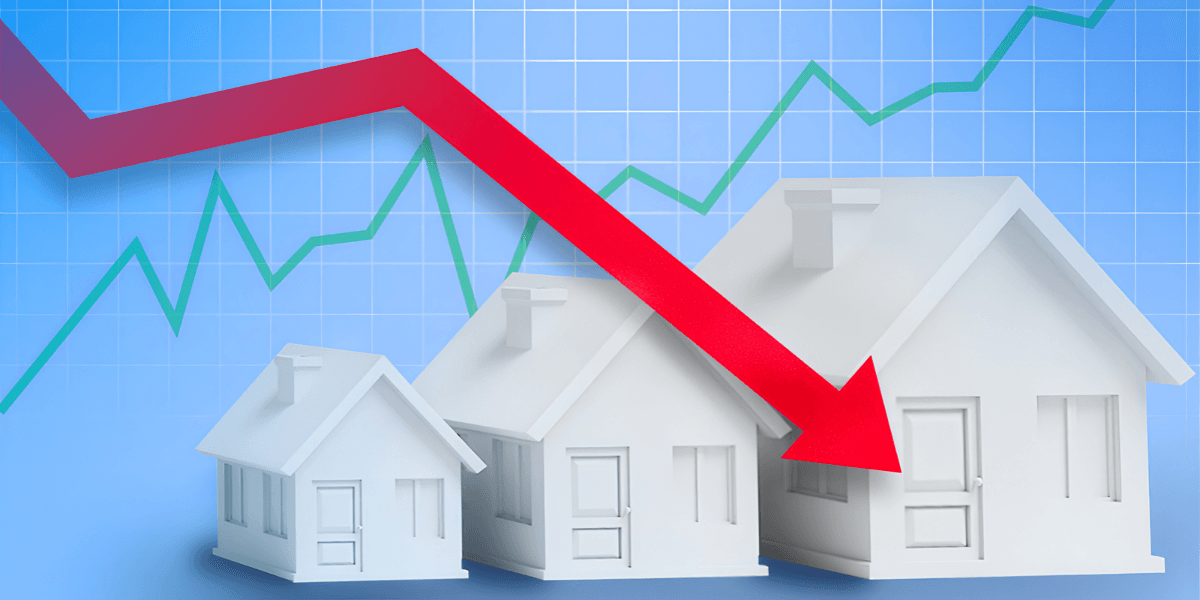
Commercial property sales across South Florida declined year over year, even as rents, development activity and demand for quality properties remained strong.
South Florida’s commercial real estate market recorded lower transaction volume during the first three quarters of 2026 as higher borrowing costs weighed on deals, according to a market analysis released by MIAMI REALTORS® and RWorld. Despite the slowdown, the region continued to show strong fundamentals, including rent growth, relatively tight vacancies and substantial development activity.
The report put commercial real estate sales volume across the region at approximately $9.5 billion for the first three quarters of the year, a 14% decline from the same period in 2025. The figures point to a market in which financing conditions have made transactions more difficult, while investors continue to pursue properties they consider well-positioned for long-term demand.
Borrowing Costs Weigh on Transactions
Higher financing costs were a major factor behind the reduced sales volume. When borrowing becomes more expensive, property buyers face higher monthly debt obligations and may have less room to meet sellers’ price expectations. Some transactions may be delayed, renegotiated or abandoned as buyers reassess projected returns.
The regional results varied considerably by property type and county. Multifamily and office transactions experienced notable declines in sales volume, while industrial and retail properties recorded year-over-year gains. The difference suggests that commercial property demand has not weakened uniformly across the region.
Industrial properties, including warehouses and logistics facilities, remained an important part of the market. Retail sales also increased, indicating that selected property categories continued to attract buyers despite the more challenging financing environment.
The figures reflect completed transactions rather than every potential deal under negotiation. They therefore provide a snapshot of activity that has reached the closing stage, not a complete measure of investor interest.
Broward County Posts Growth
Broward County stood out by recording a 9% increase in commercial sales volume, reaching approximately $3.55 billion during the period covered by the report. The county also accounted for several high-value transactions involving industrial and multifamily properties.
Among the major deals were warehouse acquisitions in Pompano Beach and the purchase of an apartment property in Fort Lauderdale. Transactions of this size demonstrate that substantial buyers remain active when they identify assets that fit their investment strategies.
Miami-Dade County recorded the region’s largest overall commercial sales volume, at approximately $4.33 billion, despite a year-over-year decline. Palm Beach County also experienced a significant reduction in sales volume. These differences show why regional totals can obscure contrasting local market conditions.
For South Florida communities, commercial property activity has implications beyond the real estate sector. Warehouses support distribution and logistics operations, office buildings accommodate employers and service providers, and apartment properties influence the supply of rental housing. Investment patterns can therefore affect employment, business expansion and the availability of space for residents and companies.
Rental Demand and Construction Remain Important
The report described the region’s commercial fundamentals as comparatively strong, pointing to rent growth and lower vacancy rates across several property categories. Miami-Dade and Palm Beach counties also continued to experience substantial multifamily and office construction relative to their existing building stock.
These indicators matter because investors often evaluate properties based on both current income and the expected demand for space. A building with stable tenants and limited nearby competition may remain attractive even when financing costs reduce the number of buyers able to complete a purchase.
South Florida’s population base and role as a business gateway to Latin America also contribute to demand for industrial, residential and office properties. Companies in finance, technology, health services and other professional sectors have continued to establish or expand regional operations, creating demand for suitable workplaces and supporting services.
However, development itself presents challenges. New projects require financing, construction labor, materials and sufficient demand to justify the cost. Higher interest rates can affect developers as well as prospective property buyers, potentially changing project schedules and the financial assumptions behind new construction.
A Market Defined by Selectivity
The data indicate that South Florida’s commercial property market is becoming more selective rather than experiencing a uniform retreat. Buyers are still completing large transactions, but the balance between financing costs, property income and purchase prices is increasingly important.
The distinction may be particularly significant for owners approaching loan maturities or considering refinancing. Higher borrowing costs can change a property’s financial performance even when rental income remains stable. Owners may respond by bringing in additional capital, negotiating new financing terms or reassessing whether to sell.
For businesses seeking space, the market’s varied performance means conditions can differ by location and property type. A warehouse in an industrial corridor may face different demand pressures from an office building in a downtown district or an apartment complex in a growing residential area.
The report offers a view of a region balancing continued development and rental demand against a more expensive financing environment. While lower transaction volume indicates that some buyers and sellers are finding it harder to agree on deals, ongoing investment and construction suggest that South Florida remains an important commercial property market.
The next phase will depend in part on financing conditions, the pace of new development and whether rental demand continues to support property income. For now, the region’s results show that a slower sales market can coexist with strong underlying demand for selected commercial assets.

Miami Highlight Contributor
Covers politics, statewide affairs, and long-form investigations across Florida.
This article features partner, contributor, or branded content from a third party. Members of the Miami Highlight editorial staff were not involved in the creation of this content. All views and opinions are those of the contributor alone.
You May Also Like

South Florida Prepares for King Tides and Heavy...

Miami Hurricanes Defeat Florida State 43–35 in Double-Overtime...
Fort Lauderdale Opens New Water Treatment Plant as...

Carnegie Mellon Launches Miami Campus as Wynwood Enters...

Dr. Ahriana Platten On Why Menopause May Be...