
South Florida Heat Advisory Puts Miami-Dade and Broward Under Dangerous Heat Conditions
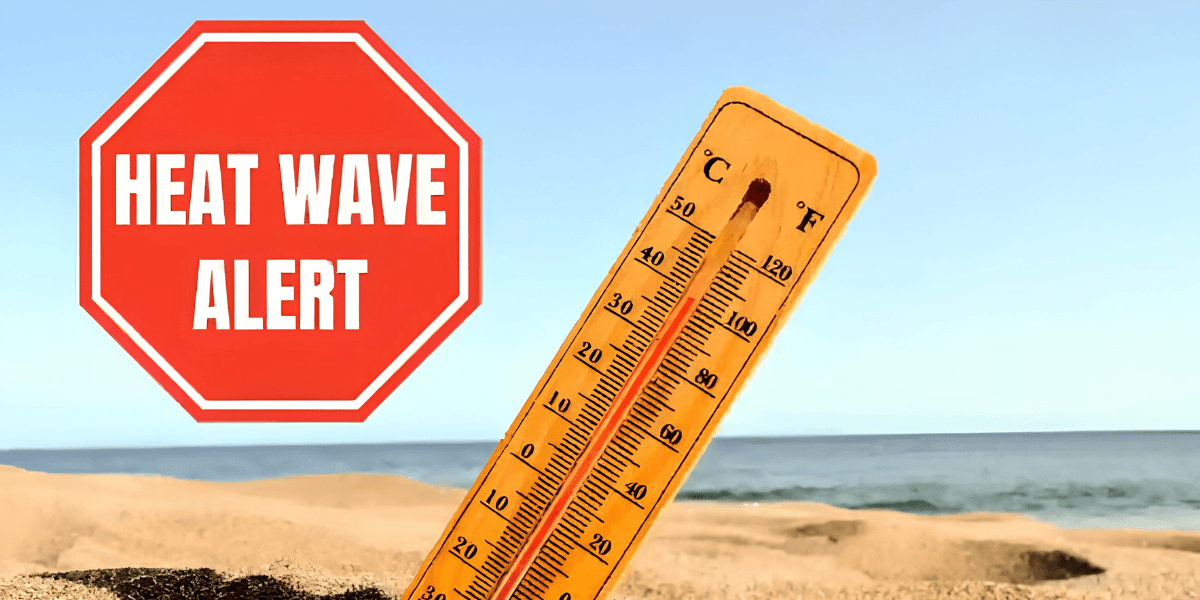
South Florida entered another period of dangerous heat on Monday as the National Weather Service in Miami issued a regionwide heat advisory covering Miami-Dade, Broward, Palm Beach, Collier, Monroe and surrounding areas. The advisory warned that heat-index values could reach between 105 and 110 degrees, creating conditions capable of causing heat-related illness.
The advisory was scheduled to remain in effect from late morning through early evening. Miami and numerous surrounding communities were included in the warning area, making the heat event a significant regional issue rather than an isolated temperature spike.
Heat and humidity drive the risk
The National Weather Service based the advisory on the combination of high temperatures and substantial humidity. While the actual air temperature is only one measure of heat, the heat index accounts for humidity and describes how hot conditions can feel to the human body.
For South Florida, that distinction is especially important. High humidity reduces the body's ability to cool itself through evaporation, meaning conditions can become dangerous even when temperatures are below the levels associated with extreme desert heat.
The National Weather Service specifically warned that the combination of heat and humidity could contribute to heat illnesses. Its public guidance called for people to drink plenty of fluids, remain in air-conditioned environments when possible, avoid prolonged exposure to the sun and check on relatives and neighbors.
Miami-Dade and Broward were among the areas explicitly included in the advisory. The warning also covered communities ranging from Miami, Hialeah and Kendall to Fort Lauderdale, Hollywood, Pembroke Pines and Coral Springs.
A challenge for daily life
The heat advisory arrived as South Florida residents continued normal work, school and summer activities. That creates a practical challenge because exposure does not require extreme outdoor activity. Commuters, construction workers, delivery personnel, athletes and people spending extended periods outside can all experience significant heat stress.
Urban areas can face additional challenges because pavement, buildings and other infrastructure absorb and retain heat. At the same time, air-conditioning becomes increasingly important as an indoor refuge, particularly for older adults and people without reliable access to cooling.
The National Weather Service's recommendation to check on relatives and neighbors also reflects the community dimension of heat emergencies. Individuals who live alone, spend substantial time outdoors or lack dependable cooling can face greater difficulty managing prolonged heat.
Miami's broader heat challenge
Monday's advisory also underscored the recurring nature of high-heat conditions across South Florida. Local weather reporting indicated that temperatures were expected to remain unusually high, with Miami-Dade and Fort Lauderdale facing the possibility of challenging daily temperature records.
Local 10 reported that afternoon temperatures were expected to reach the upper 90s, while heat indices were projected into the triple digits. The station also noted that dry conditions were increasing afternoon wildfire risk in the region.
For residents, the distinction between an ordinary hot summer day and an advisory-level heat event is therefore important. A day that appears manageable based on the thermometer alone can become significantly more hazardous when humidity pushes the apparent temperature well above the actual temperature.
What residents need to know
The immediate significance of the advisory was the elevated risk created by sustained heat and humidity during the afternoon. The National Weather Service advised limiting exposure, staying hydrated and using air conditioning when possible.
People working outdoors face particular challenges because physical exertion increases the body's heat load. Regular breaks in shaded or air-conditioned areas can reduce exposure, while prolonged activity during the hottest part of the day can increase risk.
The advisory also serves as a reminder that heat-related emergencies can develop gradually. Symptoms associated with heat illness should not be ignored, particularly when someone has been outside for an extended period.
Why the event matters
Monday's South Florida heat advisory was significant because it affected a broad portion of the region and reached heat-index levels capable of producing dangerous conditions. It also demonstrated how heat, humidity and dry weather can combine to affect public health and everyday activities across Miami-Dade and neighboring counties.
For Miami residents, the central takeaway was straightforward: the region's summer heat was not merely uncomfortable. With heat-index readings expected to exceed 105 degrees, the National Weather Service treated the conditions as a genuine health risk requiring precautions across South Florida.

Miami Highlight Contributor
Covers politics, statewide affairs, and long-form investigations across Florida.
This article features partner, contributor, or branded content from a third party. Members of the Miami Highlight editorial staff were not involved in the creation of this content. All views and opinions are those of the contributor alone.
You May Also Like

Matthew Fornaro: South Florida Business Litigator

Teleplay Sureste: The Voice of Southeast Mexico

Atlantic Health Strategies: Modernizing Behavioral Health Through Purpose-Built...

South Florida Begins October With Heavy Rain, Flooding...

Ken Griffin Gives $3 Billion to Carnegie Mellon...