
South Florida Faces First Extreme Heat Warning of the Season as Heat Index Tops 110
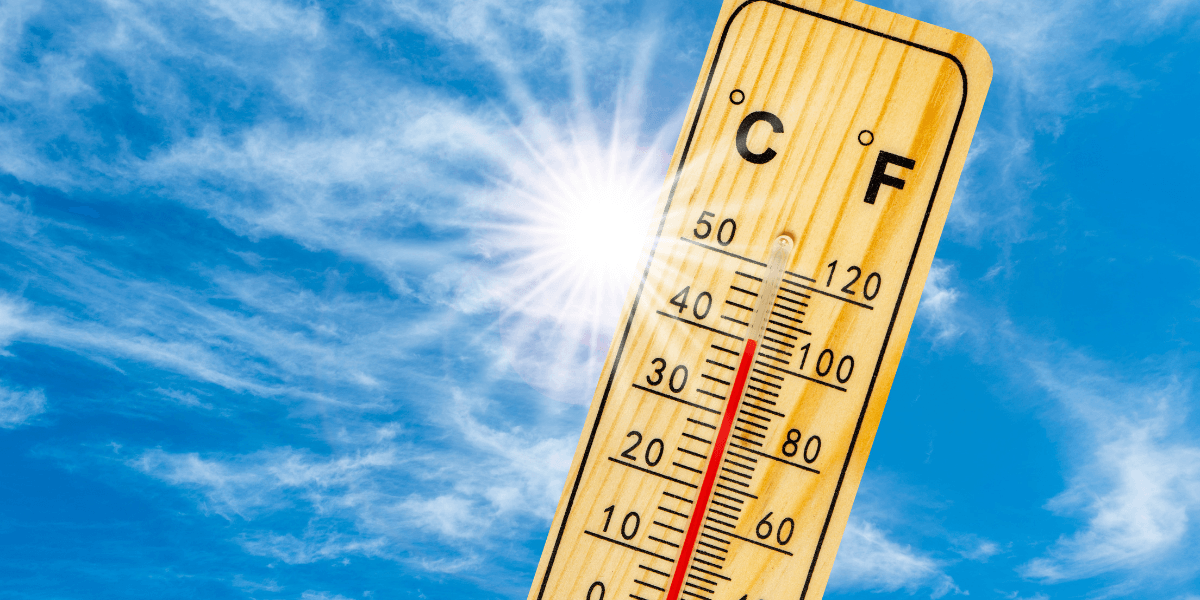
South Florida experienced one of its most dangerous heat events of the summer as the National Weather Service issued the region's first Extreme Heat Warning of the season for Miami-Dade and Broward counties. The warning remained in effect through the evening as heat-index values climbed above 110 degrees in parts of the region.
The warning followed an extraordinary temperature reading in Miami the previous day, when the city reached 100 degrees for only the second time in more than 130 years of recorded observations. The combination of extreme temperatures, high humidity and limited overnight relief created conditions that meteorologists considered particularly hazardous.
Miami reaches a rare milestone
Miami's 100-degree reading was especially notable because the city historically benefits from its coastal location and regular sea breezes. The previous recorded 100-degree temperature occurred in 1942.
Meteorologists attributed the unusual heat partly to weather patterns that prevented the normal cooling influence of the Atlantic. With west winds replacing the typical onshore flow, the city's temperatures were able to climb to levels rarely observed in the region.
The extreme heat continued into Wednesday. Local weather forecasts called for afternoon temperatures in the upper 90s, while humidity pushed heat-index values between 105 and 112 degrees.
The National Weather Service's decision to issue an Extreme Heat Warning reflected the severity of those conditions. Local 10 reported that the heat index could remain at or above 110 degrees for two consecutive hours or more across Miami-Dade and Broward.
Why the heat index matters
The heat index combines air temperature and humidity to estimate how hot conditions feel to the human body. In humid environments, the body has greater difficulty cooling itself because sweat evaporates less efficiently.
That makes South Florida particularly vulnerable during periods of extreme humidity. Even residents accustomed to hot weather can face increased risks when temperatures remain unusually high and nighttime cooling is limited.
Meteorologists advised residents to stay hydrated, remain in air-conditioned environments when possible and limit prolonged exposure to direct sunlight. People experiencing dizziness, faintness or other signs of heat stress were urged to seek help.
Outdoor workers face added exposure
The conditions also created challenges for people whose jobs require prolonged outdoor activity.
Construction workers, landscapers, delivery personnel, utility crews and other outdoor employees can face significant heat exposure during the hottest part of the day. Physical exertion increases the body's heat load, making breaks and access to cooling particularly important during extreme conditions.
The warning also affected outdoor recreation, youth sports and other summer activities. Afternoon thunderstorms offered the possibility of temporary relief in some locations, but the return of clouds and rain did not eliminate the broader heat risk.
Record heat puts infrastructure under pressure
Extreme heat can affect more than human health. High temperatures can increase electricity demand as households and businesses rely more heavily on air conditioning.
That makes heat events an important test for local infrastructure, particularly when elevated temperatures persist over multiple days. Residential buildings, commercial properties and transportation systems all operate differently under extreme heat.
For households, the cost of maintaining comfortable indoor temperatures can also rise during prolonged periods of heavy air-conditioning use.
Rain brings only partial relief
Forecasters expected afternoon thunderstorms to return as South Florida moved back toward its typical rainy-season pattern. Local 10 reported that storms could provide temporary relief, with somewhat lower temperatures expected afterward.
However, the forecast still called for temperatures around the low 90s and heat-index values above 105 degrees at times, meaning conditions could remain hotter than normal even after the most extreme period ended.
The return of rainfall also demonstrated the complicated nature of South Florida's summer weather. Storm clouds can quickly reduce temperatures in localized areas, while neighboring communities remain hot and humid.
Why the event matters
The extreme heat event was significant because it combined a rare 100-degree temperature in Miami with the first Extreme Heat Warning of the season for Miami-Dade and Broward.
The episode demonstrated that South Florida's coastal climate does not make the region immune to extreme heat. Weather patterns can temporarily suppress the sea breeze and produce temperatures well outside the city's historical norm.
For residents, the most important takeaway was that familiar summer conditions can become dangerous when heat and humidity reach exceptional levels. The warning underscored the need for hydration, cooling and reduced exposure during the hottest periods.
With Miami experiencing a temperature rarely recorded in its history and the heat index exceeding 110 degrees, the event became one of the region's most consequential weather developments of the summer.

Miami Highlight Contributor
Covers politics, statewide affairs, and long-form investigations across Florida.
This article features partner, contributor, or branded content from a third party. Members of the Miami Highlight editorial staff were not involved in the creation of this content. All views and opinions are those of the contributor alone.
You May Also Like

Matthew Fornaro: South Florida Business Litigator

Teleplay Sureste: The Voice of Southeast Mexico

Atlantic Health Strategies: Modernizing Behavioral Health Through Purpose-Built...
South Florida Begins October With Heavy Rain, Flooding...

Ken Griffin Gives $3 Billion to Carnegie Mellon...