
Miami-Dade and American Airlines Strengthen Partnership to Protect Aviation Jobs and Expand Airport Development
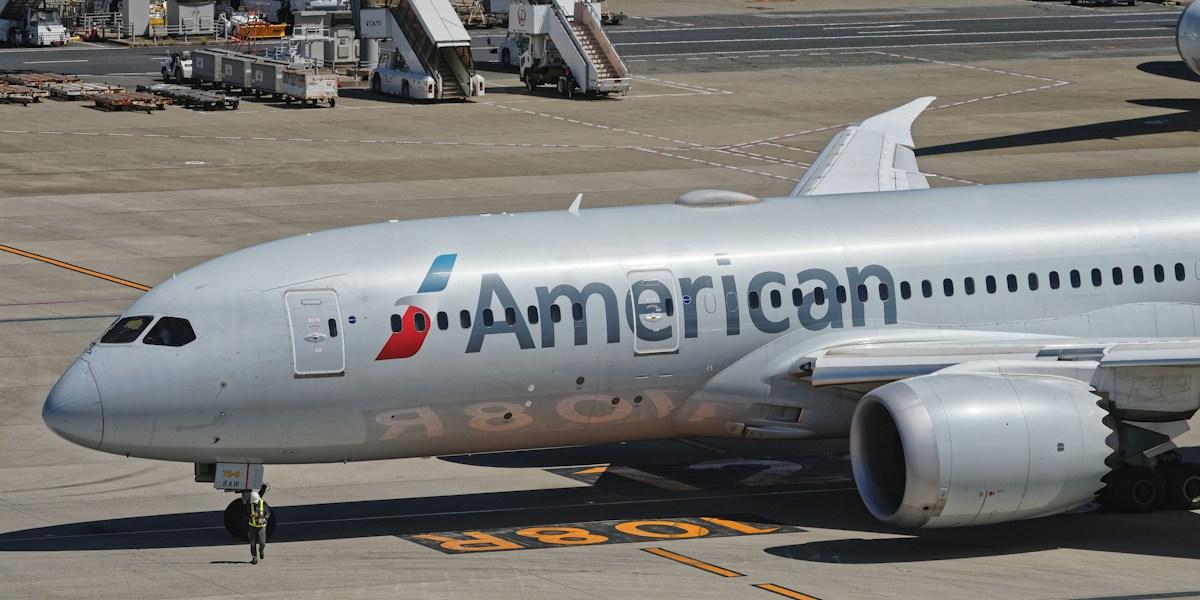
New agreement secures major aircraft maintenance operations at Miami International Airport while creating opportunities for infrastructure investment and regional business growth.
Miami-Dade County and American Airlines have strengthened their long-standing partnership through a new agreement designed to protect aviation employment, preserve aircraft maintenance operations and create additional development opportunities at Miami International Airport. Approved on November 17, the arrangement represents an important step in the county's strategy to maintain the airport's position as a major international transportation and economic center.
The agreement allows Miami-Dade County to acquire Hangar 890, Building 891 and associated property from a third party while ensuring that American Airlines retains the facilities necessary to support its aircraft maintenance operations.
The arrangement brings together county officials, airport management and one of the airport's largest airline partners around a shared objective: maintaining the infrastructure and employment base that support Miami's aviation economy.
Protecting More Than 650 Skilled Aviation Positions
One of the agreement's central components is the protection of more than 650 skilled aircraft maintenance positions associated with American Airlines' operations at Miami International Airport.
Aircraft maintenance represents an important part of the aviation industry's operational infrastructure. Airlines depend on qualified technicians and specialized facilities to inspect, repair and maintain aircraft used for domestic and international services.
Maintaining these operations in Miami supports an established workforce with specialized technical experience.
American Airlines employs nearly 16,000 people locally, making it Miami-Dade County's largest private employer. Its presence supports a wider network of businesses connected to airport operations, including suppliers, contractors, transportation providers and service companies.
The agreement is therefore significant beyond the immediate property transaction. Preserving maintenance operations helps maintain employment opportunities and supports the commercial relationships associated with a major international airline hub.
Miami-Dade Mayor Daniella Levine Cava described the agreement as an important step in protecting aviation employment while encouraging future business investment.
Strategic Importance of Hangar and Airport Property
The properties covered by the agreement include Hangar 890, Building 891 and associated land.
The county's acquisition provides an opportunity to take a more strategic approach to airport property management while preserving American Airlines' access to facilities required for its maintenance activities.
For MIA, the arrangement creates flexibility to consider future infrastructure improvements and development opportunities.
Airport property is a valuable economic resource because its location, transportation connections and proximity to aviation operations can support specialized commercial activities.
Modernizing facilities can also improve operational efficiency and help airports accommodate changing airline requirements.
Ralph Cutié, director and chief executive of Miami International Airport, said the agreement would help the airport plan for future growth while supporting the infrastructure needed by its airport community.
The arrangement reflects the importance of coordinating property decisions with long-term transportation and economic development objectives.
Miami International Airport's Economic Role
Miami International Airport remains one of the most important aviation gateways in the United States, particularly for international passenger and freight movements.
Its geographic position makes it a major connection point between North America, Latin America and the Caribbean.
The airport offers more flights to Latin America and the Caribbean than any other U.S. airport, supporting international business, tourism and cargo transportation.
According to Miami-Dade County, American Airlines' operations at MIA generate more than $30 billion in annual economic impact and support over 40,000 direct, indirect and induced jobs across the region.
These figures demonstrate how airport activity extends into the wider economy.
Hotels, restaurants, logistics companies, transportation services and businesses involved in international trade benefit from the airport's operations.
The county has also identified MIA as a central component of its broader economic development strategy.
Infrastructure Investment and Future Development
Miami International Airport is undergoing an extensive capital improvement and maintenance program valued at approximately $14 billion.
The investment includes projects intended to modernize airport infrastructure, improve operational performance and support long-term growth.
The agreement with American Airlines fits within this broader effort by addressing the management of strategically important airport property.
As passenger and freight activity evolve, airports must balance current operational requirements with future infrastructure needs.
That includes maintaining aircraft maintenance facilities, improving passenger services and ensuring that commercial areas remain capable of supporting aviation-related businesses.
For Miami-Dade County, the arrangement also creates an opportunity to strengthen the airport's contribution to local employment and economic development.
American Airlines' Long-Term Commitment to Miami
American Airlines described Miami as a cornerstone of its international network and an important part of its long-term growth strategy.
The company operates one of its largest and most connected hubs at MIA, providing services to destinations throughout the Americas and beyond.
Maintaining aircraft maintenance capabilities at the airport supports the airline's ability to manage its operations while retaining an established technical workforce.
The agreement also reinforces the relationship between the airline and local government at a time when airport infrastructure and operational efficiency remain important considerations for the aviation industry.
A Significant Development for South Florida
The agreement represents a practical example of how public infrastructure management and private-sector partnerships can support regional economic activity.
By securing the facilities needed for American Airlines' maintenance operations while allowing the county to pursue future development opportunities, the arrangement addresses both immediate employment concerns and longer-term infrastructure planning.
For Miami-Dade County, the partnership reinforces the importance of Miami International Airport as an economic engine.
For American Airlines, it provides greater certainty regarding its maintenance facilities and continued operations in the region.
The agreement positions the airport, the airline and the surrounding business community to build on an established relationship while preparing for future aviation and commercial development.

Miami Highlight Contributor
Covers politics, statewide affairs, and long-form investigations across Florida.
This article features partner, contributor, or branded content from a third party. Members of the Miami Highlight editorial staff were not involved in the creation of this content. All views and opinions are those of the contributor alone.
You May Also Like

Miami Dolphins Fall 24-22 to Indianapolis Colts as...
Nationwide FAA Ground Stop Leaves South Florida Airports...

Miami Beach Polo World Cup Returns to Collins...
Miami International Airport Hosts American Airlines Charity Jet...

Kyle Larson Makes NASCAR History With Third Cup...