
Tampa Bay Rays Advance Plans for New Stadium and Entertainment District
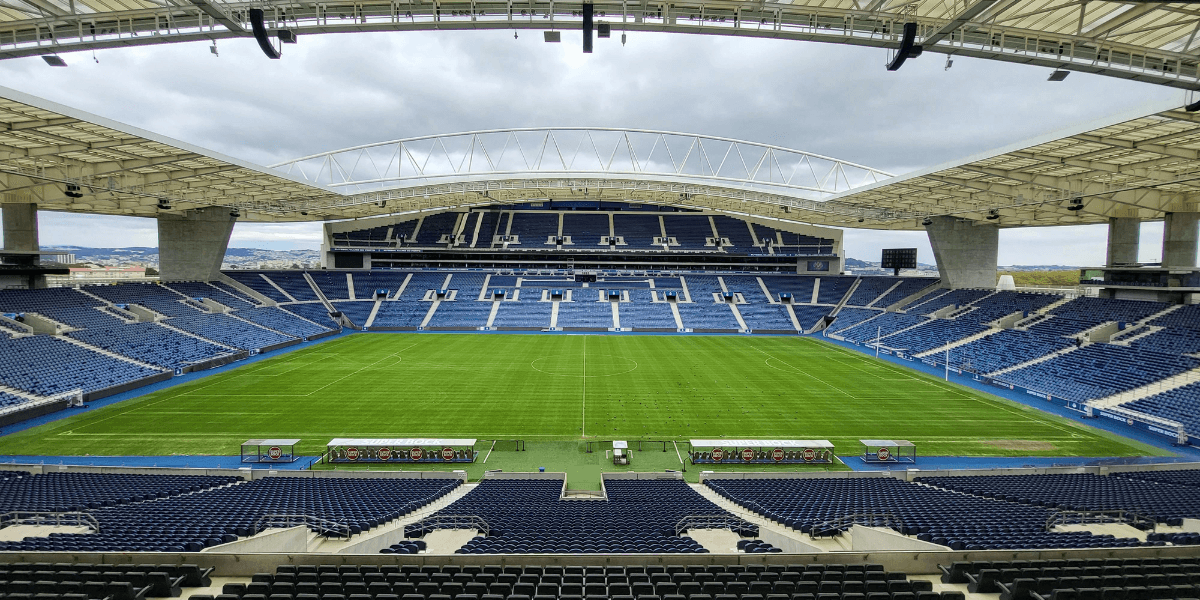
The Tampa Bay Rays moved significantly closer to securing a permanent long-term home this week after regional officials and team executives reached a preliminary agreement on a proposed $2.3 billion stadium and entertainment development in Tampa. The project, which would become one of the largest sports-related developments in Florida in recent years, is expected to reshape the future of professional baseball in the Tampa Bay region.
Under the proposed agreement, the Rays would relocate to a newly constructed domed stadium near Tampa’s Dale Mabry corridor, an area considered more centrally accessible for fans across the region. The development would include not only a modern baseball venue but also a large mixed-use district featuring retail stores, restaurants, hotels, office space, and public gathering areas designed to support year-round activity.
The project remains subject to final approvals from local government agencies and funding authorities, but the latest agreement marks a major breakthrough following years of uncertainty surrounding the franchise’s stadium future.
The proposed stadium is expected to seat approximately 31,000 fans and would feature a climate-controlled roof structure to accommodate Florida’s extreme summer weather conditions. Early planning documents also highlight upgraded transportation access, expanded parking infrastructure, and pedestrian-friendly development surrounding the venue.
The Rays ownership group is expected to finance a substantial portion of the project costs, while public funding mechanisms tied to tourism and infrastructure improvements could contribute to supporting surrounding development. Officials involved in negotiations say the agreement aims to balance long-term economic growth with fiscal responsibility for taxpayers.
For years, the franchise has faced questions regarding the viability of Tropicana Field, the team’s longtime home in St. Petersburg. Opened in 1990, the stadium has often been criticized for its aging infrastructure, limited accessibility, and declining competitiveness compared to newer Major League Baseball venues across the country.
Recent weather-related damage to Tropicana Field further accelerated conversations about the team’s future. The Rays have since explored multiple alternatives while local leaders worked to retain the franchise within the Tampa Bay area. The newest proposal now appears to provide the clearest path toward long-term stability for the organization.
Sports industry analysts believe the development could have significant economic implications for the region. Modern sports venues increasingly function as multi-purpose entertainment centers rather than facilities used solely for games. By integrating restaurants, retail, and hospitality spaces into the project, developers hope to attract visitors throughout the year and generate broader economic activity beyond baseball season.
The project also reflects a growing national trend in professional sports development. Across the United States, teams are pursuing large-scale entertainment districts that combine sports, business, and tourism into single destinations capable of driving local investment and creating new revenue opportunities.
For the Rays organization, a modern stadium could strengthen financial sustainability while enhancing the overall fan experience. Newer venues often generate increased revenue through premium seating, sponsorship agreements, concerts, conventions, and special events. Those additional revenue streams can help smaller-market franchises remain competitive in professional sports.
The Rays have consistently maintained a strong on-field reputation despite operating with comparatively modest payrolls relative to larger-market MLB teams. Over the past decade, the organization has built a reputation for player development, efficient management, and postseason competitiveness. Team executives have long argued that improved stadium infrastructure is necessary to support continued growth and long-term organizational success.
Business leaders across the Tampa Bay area have largely welcomed the proposed development, pointing to potential job creation and tourism growth. Construction activity alone could create thousands of temporary jobs, while surrounding commercial projects may generate additional long-term employment opportunities in hospitality, retail, and entertainment sectors.
At the same time, public discussions surrounding financing are expected to continue in the coming months. Stadium developments involving public investment often receive close scrutiny from taxpayers and policy analysts concerned about long-term costs and projected economic benefits. Local officials are expected to review transportation planning, infrastructure commitments, and financial accountability measures before issuing final approvals.
If the agreement proceeds as expected, construction could begin within the next few years, potentially allowing the Rays to transition into the new venue before the end of the decade. Major League Baseball officials are also closely monitoring the project, as stadium stability remains an important factor in franchise planning and league operations.
The proposed development represents more than a baseball stadium for the Tampa Bay region. Supporters believe it could further establish Tampa as a major destination for sports, tourism, and entertainment while reinforcing Florida’s growing role in hosting large-scale national events.
Although several regulatory and financial steps remain ahead, the latest agreement signals meaningful progress in one of Florida’s most closely watched sports infrastructure discussions.

Miami Highlight Contributor
Covers entertainment and sport, following the performers and teams that define the city's weekends.
This article features partner, contributor, or branded content from a third party. Members of the Miami Highlight editorial staff were not involved in the creation of this content. All views and opinions are those of the contributor alone.
You May Also Like

Matthew Fornaro: South Florida Business Litigator

Teleplay Sureste: The Voice of Southeast Mexico

Atlantic Health Strategies: Modernizing Behavioral Health Through Purpose-Built...

South Florida Begins October With Heavy Rain, Flooding...
Ken Griffin Gives $3 Billion to Carnegie Mellon...