
NASA and SpaceX Finalize Preparations for CRS-34 Mission at Kennedy Space Center
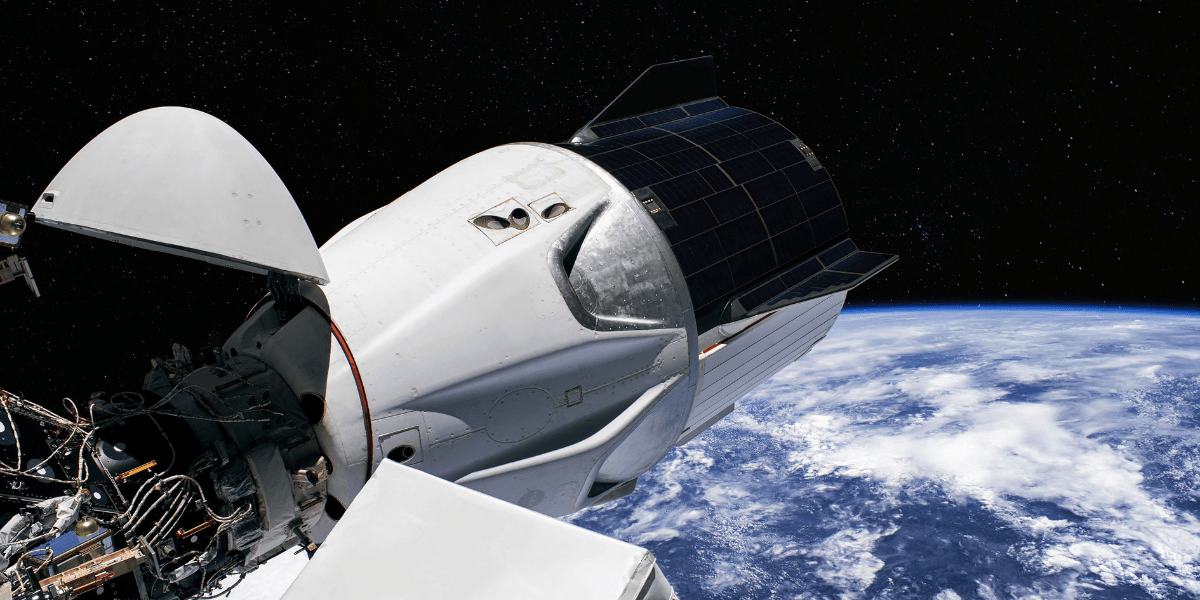
NASA and SpaceX marked a major milestone on May 14, 2026, as final preparations were completed for the upcoming CRS-34 cargo mission to the International Space Station (ISS) from Florida’s Space Coast. The mission, scheduled for launch from Cape Canaveral, highlights the continued partnership between NASA and private aerospace companies in advancing scientific research, technology development, and long-term space exploration efforts.
The CRS-34 mission, part of NASA’s Commercial Resupply Services program, is expected to deliver scientific equipment, research experiments, crew supplies, and hardware to astronauts aboard the ISS. The mission represents another important step in maintaining the orbiting laboratory that has remained continuously occupied for more than two decades.
The launch has drawn attention across Florida, particularly along the Space Coast, where aerospace activity continues to contribute significantly to the region’s economy and tourism industry. Kennedy Space Center Visitor Complex officials have also highlighted increased public interest surrounding launches in 2026, with several high-profile NASA missions planned throughout the year.
NASA confirmed that the mission will carry a range of experiments focused on health sciences, materials engineering, and Earth observation. Researchers depend on the microgravity environment aboard the ISS to conduct studies that are difficult or impossible to perform on Earth. Some of these projects are designed to improve medical understanding, while others contribute to future lunar and Mars exploration initiatives.
SpaceX’s Falcon 9 rocket remains central to NASA’s commercial launch strategy. Over the past several years, the reusable rocket system has helped lower launch costs while increasing mission frequency. The CRS-34 flight continues that trend and demonstrates the growing reliability of commercial space transportation systems in supporting federal space operations.
Florida leaders and tourism officials have increasingly pointed to the state’s aerospace sector as a major economic driver. Industry analysts estimate that launch-related tourism brings thousands of visitors to the region annually, benefiting hotels, restaurants, and local businesses. The Space Coast has positioned itself as one of the world’s busiest launch corridors, with projections indicating up to 120 launches could occur in the area during 2026.
For residents across Florida, major launches have become more than scientific events. They are also public spectacles that attract spectators from Miami, Orlando, Tampa, and beyond. Hotels along the coast often report increased bookings around launch windows, while visitor centers and viewing areas experience heavy attendance. Kennedy Space Center officials have continued expanding educational exhibits and public programming to accommodate growing interest in space exploration.
The timing of CRS-34 also aligns with NASA’s broader Artemis initiative, which aims to return astronauts to the Moon and eventually establish a sustainable human presence there. While cargo missions to the ISS may appear routine compared to lunar exploration headlines, NASA officials consistently emphasize that these supply flights remain essential for testing technologies and sustaining long-duration human spaceflight operations.
In addition to transporting supplies, CRS-34 is expected to return scientific materials and completed experiments back to Earth following its mission. This capability allows researchers to examine how prolonged exposure to microgravity affects biological systems, materials, and engineering processes. Findings from ISS experiments often influence medical research, agricultural innovation, and industrial manufacturing technologies used on Earth.
NASA has increasingly relied on commercial partnerships over the past decade, shifting from a solely government-operated model to one that incorporates private-sector innovation. The agency’s collaboration with SpaceX has become one of the most visible examples of that transition. Industry observers note that commercial partnerships have accelerated launch schedules while allowing NASA to focus more resources on deep-space exploration projects.
Public enthusiasm surrounding space exploration also remains high ahead of several anticipated missions later in the year, including additional cargo launches and future Artemis-related developments. Florida’s role in those efforts continues to reinforce the state’s position at the center of the American aerospace industry.
As final checks concluded on May 14, attention turned toward the launch pad at Cape Canaveral, where engineers, technicians, and mission teams prepared for another carefully coordinated flight. For NASA, SpaceX, and the thousands of Floridians connected to the aerospace sector, the CRS-34 mission represents both scientific progress and the continuing evolution of America’s space program.

Miami Highlight Contributor
Covers politics, statewide affairs, and long-form investigations across Florida.
This article features partner, contributor, or branded content from a third party. Members of the Miami Highlight editorial staff were not involved in the creation of this content. All views and opinions are those of the contributor alone.
You May Also Like

Matthew Fornaro: South Florida Business Litigator

Teleplay Sureste: The Voice of Southeast Mexico

Atlantic Health Strategies: Modernizing Behavioral Health Through Purpose-Built...

South Florida Begins October With Heavy Rain, Flooding...

Ken Griffin Gives $3 Billion to Carnegie Mellon...