NFL Draft 2026 Continues with Strong Fan Turnout and Economic Boost Across Host City
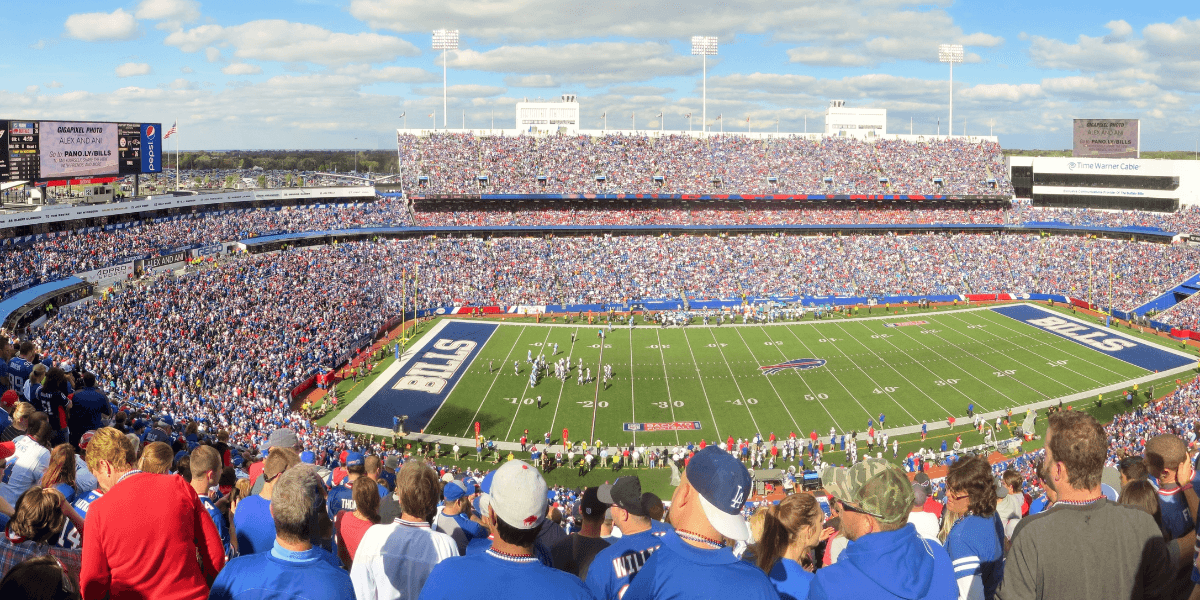
The 2026 NFL Draft entered its second and third rounds on April 25, drawing significant national attention while continuing to generate measurable economic and cultural impact across its host city in the United States. As one of the most prominent annual events in professional sports, the draft not only shapes team rosters for the upcoming season but also provides a substantial boost to local businesses, tourism, and media engagement.
Held in a major U.S. host city—continuing the NFL’s recent trend of rotating locations—the multi-day event has attracted tens of thousands of fans attending in person, alongside millions more watching through national broadcasts and digital platforms. According to the National Football League, the draft has consistently delivered record-breaking attendance in recent years, with the 2024 event in Detroit drawing over 775,000 attendees across three days. The 2026 edition is expected to maintain similar momentum, reflecting the league’s growing ability to turn the draft into a large-scale public festival.
The second day of the draft is widely regarded as a critical phase for team-building, as franchises select players in the second and third rounds who often become key contributors. Analysts note that while first-round selections typically receive the most attention, many successful players emerge from later rounds, making April 25 a pivotal day for scouting and long-term roster strategy. Teams focus on addressing remaining needs, adding depth, and identifying talent that may have been overlooked in earlier selections.
Beyond its sports significance, the draft plays a meaningful role in local economic activity. Host cities benefit from increased hotel occupancy, restaurant traffic, transportation usage, and retail spending. According to data from previous host cities compiled by the NFL and local tourism boards, the economic impact of the draft can exceed $100 million, depending on attendance and event scale. This positions the event as a valuable opportunity for urban centers to showcase infrastructure, attract visitors, and stimulate short-term economic growth.
Local businesses in the host area have reported heightened activity throughout the draft weekend. Restaurants, bars, and entertainment venues near the event site have experienced extended operating hours and increased customer volume. Hotels have also reported near-capacity bookings, with many visitors traveling from across the country to attend the event in person. This surge in tourism underscores the draft’s evolution into a destination event that blends sports, entertainment, and community engagement.
The NFL Draft also serves as a platform for technological innovation and media expansion. This year’s event features enhanced digital coverage, including real-time analytics, interactive fan experiences, and expanded streaming options. These developments reflect broader trends in sports media consumption, where audiences increasingly expect immediate access to data, highlights, and behind-the-scenes content.
From a workforce and operations perspective, the event requires extensive coordination between city officials, event organizers, and public services. Temporary infrastructure, security planning, and transportation management are critical components that ensure the smooth execution of the draft. In previous years, host cities have used the event to test large-scale event planning capabilities, which can have long-term benefits for future tourism and major event hosting.
For fans, April 25 represents an opportunity to engage more deeply with their favorite teams and players. The later rounds often include compelling stories of athletes who have overcome challenges or developed outside traditional pathways. These narratives contribute to the broader appeal of the draft, reinforcing its role as both a competitive and cultural event.
The significance of the NFL Draft extends beyond immediate team decisions. Player selections influence franchise performance, ticket sales, and fan engagement for years to come. Successful drafts can accelerate team rebuilding efforts, while missed opportunities may have lasting consequences. As a result, the decisions made during the second and third rounds carry considerable weight for front offices and coaching staff.
In addition, the draft highlights the ongoing importance of collegiate athletics as a talent pipeline. Universities across the country are represented through their athletes, with programs gaining visibility based on player selections. This connection between college and professional sports continues to drive interest in both levels of competition.
Key takeaways from the April 25 proceedings emphasize the draft’s dual impact: it is both a cornerstone event in the sports calendar and a powerful economic driver for its host city. The combination of fan engagement, media reach, and local business activity demonstrates how major sporting events can influence multiple sectors simultaneously.
As the 2026 NFL Draft continues into its final rounds, attention will shift toward evaluating team strategies and predicting how newly selected players will shape the upcoming season. For now, the event stands as a clear example of how sports can bring together communities, generate economic momentum, and capture national interest in a single, high-profile weekend.

Miami Highlight Contributor
Covers entertainment and sport, following the performers and teams that define the city's weekends.
This article features partner, contributor, or branded content from a third party. Members of the Miami Highlight editorial staff were not involved in the creation of this content. All views and opinions are those of the contributor alone.
You May Also Like

Meet the Pharmacist-Formulated Body Care Brand Growing in...

Where Every Child Belongs: Catherine Gibson’s Vision for...

AutoNation Commits $1 Million to Cancer Research and...

Citadel Miami Headquarters Construction Halted After Drill Rig...
Beatrice Deliperi: Innovation in U.S. Finance