
Miami Grand Prix 2026 Draws Global Spotlight as Formula 1 Returns to South Florida
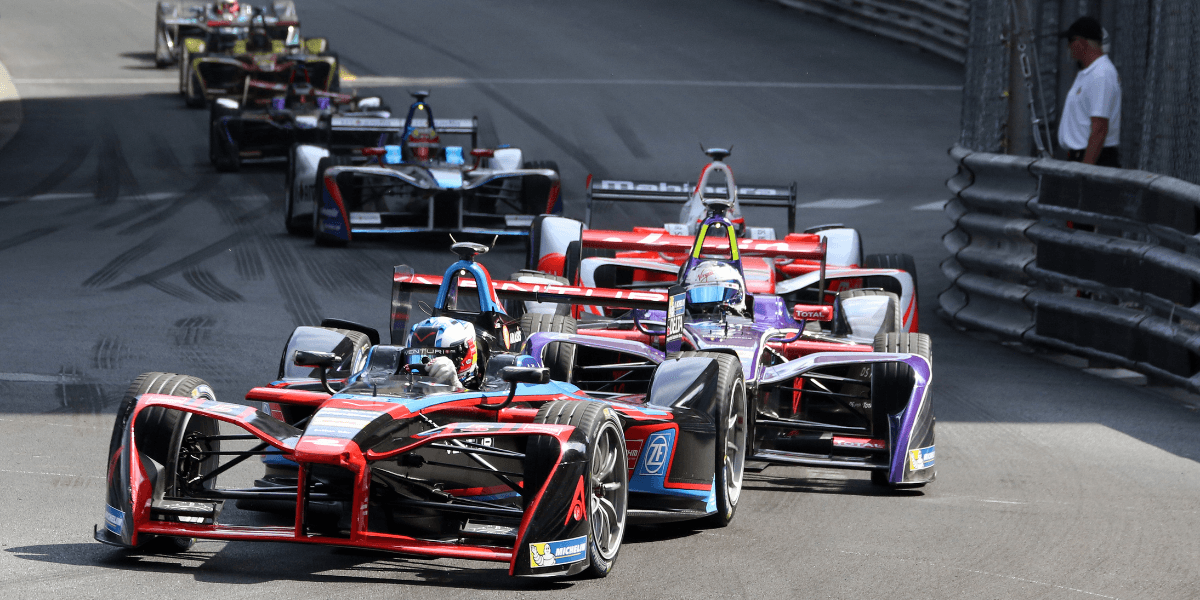
The 2026 Formula 1 Miami Grand Prix took center stage on Sunday, May 3, as one of the most prominent sporting events in the United States, bringing international attention, economic activity, and a surge of tourism to South Florida. Held at the Miami International Autodrome, the race marked the fifth annual running of the event in the city and reinforced Miami’s growing role as a key destination on the global Formula 1 calendar.
Originally scheduled for a later start time, race organizers moved the event earlier in the day due to anticipated weather conditions, highlighting the logistical complexity of hosting a large-scale international sporting event in a dynamic climate. The race itself featured 57 laps spanning approximately 191.5 miles on a 3.3-mile circuit known for its 19 challenging turns, blending high-speed straights with technical corners that test driver precision and team strategy.
Beyond the race, the Miami Grand Prix has evolved into a multi-day spectacle that blends sports, entertainment, and culture. The 2026 edition included a sprint race during the weekend, adding another competitive layer to the event and increasing fan engagement. Reigning World Champion Lando Norris delivered a strong performance during the sprint, securing a podium finish and generating momentum heading into the main race.
The event’s significance extends well beyond the racetrack. Over recent years, Formula 1 has seen a dramatic rise in popularity across the United States, fueled by expanded media coverage, streaming accessibility, and increased fan engagement initiatives. The Miami Grand Prix plays a central role in this growth, offering a uniquely American interpretation of the traditionally European-dominated sport. The race weekend integrates live music, culinary showcases, and celebrity appearances, transforming it into a broader cultural festival that appeals to both motorsport enthusiasts and casual attendees.
For Miami and the surrounding region, the economic impact is substantial. Major events like the Grand Prix contribute to increased hotel occupancy, higher demand for local businesses, and expanded visibility for the city on an international stage. Tourism officials and business leaders have consistently pointed to the race as a key driver of seasonal economic activity, particularly as it attracts visitors from across the United States and abroad.
The 2026 race also reflects broader trends in sports media consumption. With Formula 1 now available through modern streaming platforms, fans across the country have greater access to live coverage and enhanced viewing features. This shift has helped cultivate a new generation of followers, many of whom are engaging with the sport for the first time. Enhanced broadcast tools, including real-time data tracking and immersive viewing options, have further deepened fan understanding of race strategy and performance.
Safety and organization remained a top priority throughout the event. Large-scale coordination between local authorities, event organizers, and international governing bodies ensured that the race proceeded smoothly despite weather-related adjustments. The ability to adapt scheduling in response to environmental conditions underscores the importance of flexibility in event planning, particularly for outdoor sporting events of this magnitude.
From a competitive standpoint, the Miami Grand Prix continues to serve as a critical stop in the Formula 1 season. Results from the race can influence team standings and driver momentum as the championship progresses. The combination of technical track design and variable weather conditions often leads to unpredictable outcomes, making Miami a pivotal race for teams seeking an advantage in the standings.
For the local community, the event offers both opportunities and challenges. While the influx of visitors boosts economic activity, it also places pressure on infrastructure, transportation systems, and public services. City officials have worked to address these concerns through improved planning and investment, aiming to balance the benefits of hosting a global event with the needs of residents.
Key takeaways from the 2026 Miami Grand Prix highlight the continued expansion of Formula 1 in the United States, the economic and cultural impact of major sporting events, and the importance of adaptability in event management. As the sport continues to grow in popularity, Miami is likely to remain a cornerstone of its American presence.
Ultimately, the May 3 event demonstrated how a single race can transcend sports, serving as a platform for international engagement, economic development, and cultural exchange. With each passing year, the Miami Grand Prix strengthens its position not just as a race, but as a defining moment in the U.S. sporting calendar.

Miami Highlight Contributor
Covers entertainment and sport, following the performers and teams that define the city's weekends.
This article features partner, contributor, or branded content from a third party. Members of the Miami Highlight editorial staff were not involved in the creation of this content. All views and opinions are those of the contributor alone.
You May Also Like

Where Every Child Belongs: Catherine Gibson’s Vision for...

Beatrice Deliperi: Innovation in U.S. Finance

Miami Hosts Free Benefit Concert Supporting Earthquake Relief...

Wall Street Rebounds as Technology Stocks Lead Market...

Crane Collapse in Miami’s Brickell Neighborhood Sends Four...