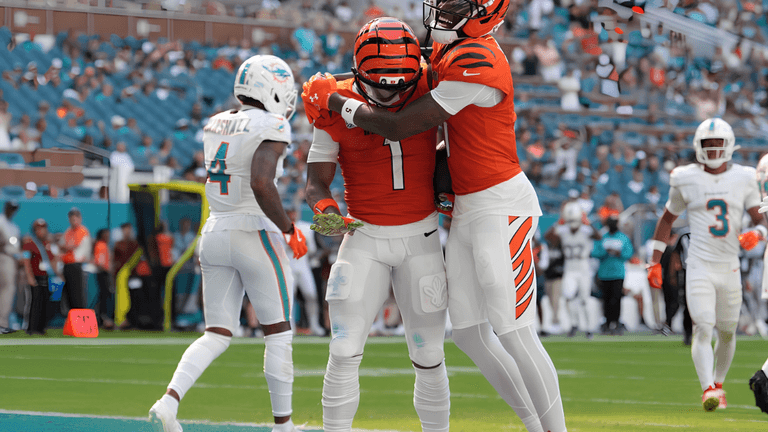
Miami Hurricanes Defeat Florida State 43–35 in Double-Overtime Rivalry Game
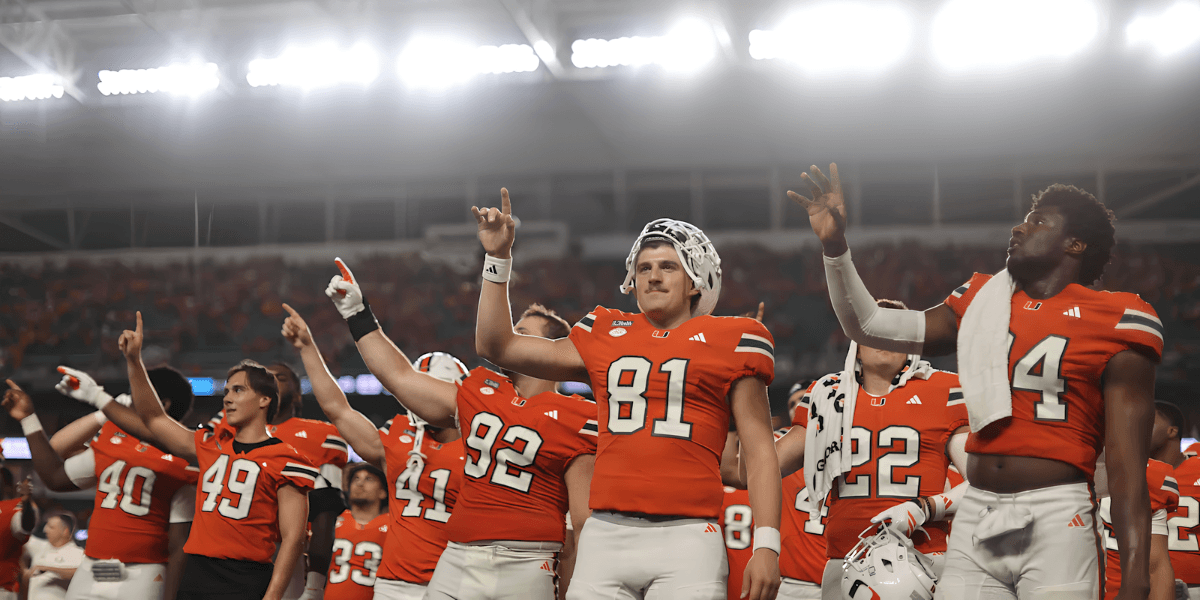
Miami outlasted Florida State 43–35 in a high-scoring rivalry matchup, delivering a major result for South Florida college football.
The University of Miami Hurricanes defeated Florida State University 43–35 in double overtime on Saturday, October 17, in a rivalry game that delivered an unusually dramatic finish and reinforced the significance of college football to South Florida’s sporting identity.
The result came at Hard Rock Stadium in Miami Gardens, where the Hurricanes and Seminoles met in one of Florida’s most closely followed college football rivalries. Miami’s victory required more than four quarters of play, with the teams unable to settle the contest in regulation before the Hurricanes pulled ahead during the additional periods.
The final score reflected an offensive contest in which both programs found ways to move the ball and generate points. Miami ultimately secured the win, giving its players, coaches and supporters a consequential result in a rivalry that extends beyond the field into alumni communities, regional identity and the broader college football landscape.
A Rivalry With Statewide Significance
The Miami–Florida State rivalry has long been a defining fixture of college football in Florida. Both universities have built national reputations, attracted supporters across the state and contributed to the sport’s deep cultural presence in the region.
Miami represents a major private university with a strong connection to the South Florida community, while Florida State, based in Tallahassee, draws support from across North Florida and beyond. Their meetings regularly carry implications for recruiting, conference standing, postseason ambitions and statewide bragging rights.
The rivalry also connects generations of fans who follow the programs through changing coaching staffs, rosters and competitive eras. A closely contested game can become a reference point for supporters long after the final whistle, particularly when the outcome is decided in overtime.
The 43–35 scoreline made this meeting especially notable because neither side could establish a decisive advantage by the end of regulation. Double overtime extended the contest and placed additional pressure on both teams to execute in high-stakes situations.
Miami Finds a Way in Extra Periods
Overtime changes the nature of a football game. Teams face a compressed field position situation, and every possession becomes more consequential. A mistake can quickly change the outcome, while a successful offensive sequence can place immediate pressure on the opposing side.
For Miami, the final result demonstrated an ability to finish a demanding contest. The Hurricanes needed to sustain their performance after regulation rather than rely solely on the momentum developed during the opening quarters.
Florida State remained competitive enough to force the game beyond its scheduled playing time, making the outcome a significant test for both programs. The Seminoles' scoring total showed that the Hurricanes could not treat the matchup as a routine victory, even when playing in their home region.
The result also illustrated why rivalry games can be difficult to evaluate through season records alone. Familiarity between opponents, emotional intensity and the consequences of individual possessions can produce contests that differ substantially from expectations formed before kickoff.
The Importance of the South Florida Setting
Hard Rock Stadium, located in Miami Gardens, is one of the region’s principal venues for major sporting events. The stadium hosts Miami Dolphins home games and major college football contests, placing it at the center of South Florida’s sports and entertainment economy.
Large college football games bring together students, alumni, visiting supporters and local residents. They also generate activity for transportation services, hospitality businesses, restaurants and other establishments that serve eventgoers.
The Hurricanes’ victory therefore had significance beyond the university’s immediate athletic program. The matchup was part of a broader sports culture that helps connect Miami-Dade County with nationally followed competitions.
College football also remains an important component of university visibility. Strong performances can draw attention to athletic programs, increase engagement among alumni and sustain interest among prospective students and recruits. However, the long-term consequences of a single result depend on the remainder of the season and the programs’ subsequent performances.
What the Result Means for Both Programs
For Miami, defeating a traditional rival in an overtime contest provides a positive result to build on as the season progresses. The coaching staff can assess the successful elements of the performance while reviewing the defensive and offensive situations that allowed Florida State to remain in contention.
The Seminoles, meanwhile, face the task of evaluating a narrow defeat in a game that extended into additional periods. Such contests can expose both execution problems and areas of resilience, although the specific lessons will depend on film review and the teams’ internal assessments.
The game also adds another chapter to a rivalry whose importance is sustained by repeated competition rather than any single outcome. Future meetings will bring different players, coaching decisions and season circumstances, but the programs will continue to compete for attention and standing within Florida’s college football community.
For Miami supporters, the immediate significance was straightforward: the Hurricanes prevailed in a demanding contest against a familiar opponent. For Florida State, the final score represented a missed opportunity in a game close enough to require double overtime.
The 43–35 decision underscored the unpredictability that makes college football rivalries compelling. In South Florida, where the Hurricanes remain a prominent part of the regional sports landscape, the victory gave the program a memorable result on a Saturday when every additional possession mattered.

Miami Highlight Contributor
Covers entertainment and sport, following the performers and teams that define the city's weekends.
This article features partner, contributor, or branded content from a third party. Members of the Miami Highlight editorial staff were not involved in the creation of this content. All views and opinions are those of the contributor alone.
You May Also Like

South Florida Prepares for King Tides and Heavy...

South Florida Commercial Real Estate Sales Slow as...

Fort Lauderdale Opens New Water Treatment Plant as...

Carnegie Mellon Launches Miami Campus as Wynwood Enters...

Dr. Ahriana Platten On Why Menopause May Be...