
Severe Weather System Impacts Florida, Causing Flooding and Disruptions Across Miami Area
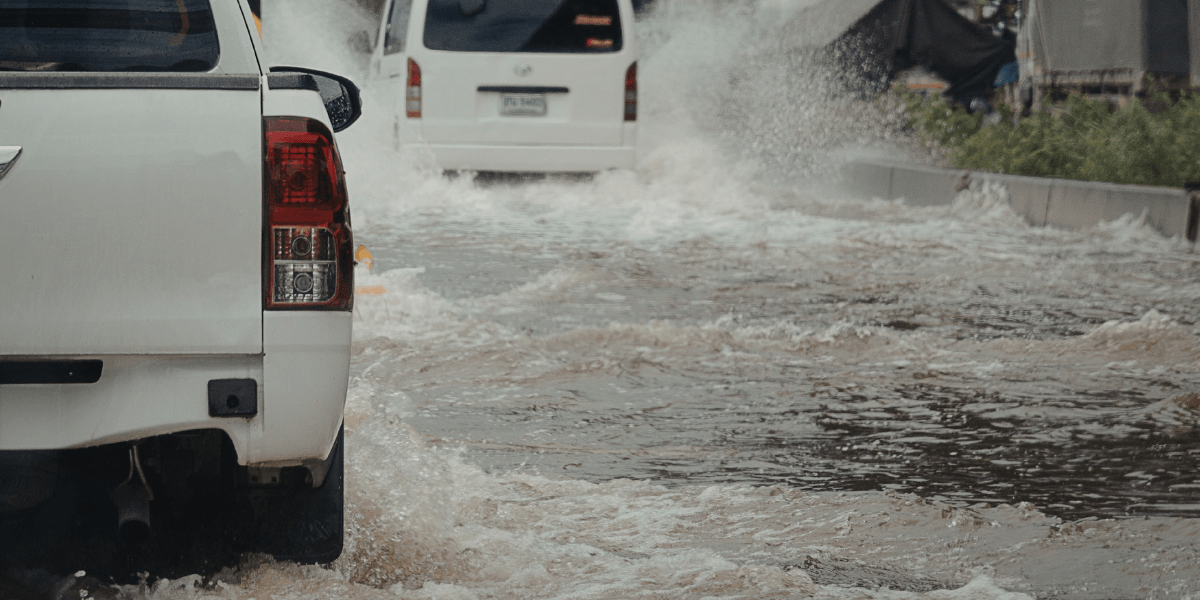
A powerful weather system moving across the southeastern United States brought heavy rainfall and localized flooding to parts of Florida on May 5, 2026, significantly impacting communities in the Miami metropolitan area. The storm, which developed rapidly over the Gulf of Mexico before moving eastward, prompted multiple weather advisories and emergency responses as conditions intensified throughout the day.
According to the National Weather Service (NWS), South Florida experienced several inches of rainfall within a short period, overwhelming drainage systems in low-lying neighborhoods and causing temporary street flooding. Miami-Dade County officials reported that some roadways became impassable during peak rainfall hours, particularly in areas prone to flooding due to elevation and infrastructure limitations.
Local authorities activated emergency management protocols as the storm intensified. The Miami-Dade Emergency Operations Center monitored conditions closely, coordinating with public works and first responders to address flooded streets, stalled vehicles, and minor property damage. Residents in affected areas were advised to avoid unnecessary travel and remain cautious around standing water.
The heavy rainfall also disrupted daily life across the region. Miami International Airport reported delays and schedule adjustments due to adverse weather conditions, while public transportation services experienced temporary interruptions. Several schools and local offices adjusted schedules or closed early as a precautionary measure.
Meteorologists explained that the storm system was fueled by warm ocean temperatures and atmospheric instability, which contributed to intense rainfall bands over South Florida. The Weather Prediction Center had earlier identified the region as having an elevated risk of excessive rainfall, highlighting the potential for flash flooding in urban areas.
Infrastructure challenges became evident as drainage systems struggled to keep pace with the volume of water. While Miami has invested in flood mitigation projects in recent years, including pump stations and raised roadways, experts note that extreme weather events continue to test the city’s resilience. Urban planners have emphasized the need for ongoing investment in climate-adaptive infrastructure to address both current and future risks.
Power outages were reported in scattered areas, though utility providers indicated that most disruptions were resolved within hours. Crews were deployed to address localized issues caused by water intrusion and wind-related damage. Emergency services also responded to isolated incidents, including minor vehicle accidents linked to reduced visibility and slippery road conditions.
The storm’s impact extended beyond immediate disruptions, raising broader concerns about the increasing frequency of intense rainfall events in South Florida. Data from the National Oceanic and Atmospheric Administration (NOAA) has shown a trend toward more frequent heavy precipitation episodes in the region, which can strain infrastructure and increase the risk of flooding in densely populated areas.
For Miami residents, the event served as a reminder of the importance of preparedness during severe weather. Officials reiterated guidance on monitoring weather updates, securing property, and understanding local flood risks. Community awareness and early response measures were credited with helping to minimize more serious consequences.
Local businesses also felt the effects of the storm, particularly those in flood-prone districts. Some establishments temporarily closed due to water intrusion or accessibility issues, while others experienced reduced customer activity during the peak of the weather event. However, many resumed operations once conditions began to improve later in the day.
Despite the disruptions, officials confirmed that no major injuries or large-scale structural damage had been reported as of the latest updates. Cleanup efforts, including drainage clearing and debris removal, were underway across affected neighborhoods as water levels receded.
Looking ahead, meteorologists expect conditions in South Florida to stabilize as the storm system moves offshore. However, the event underscores the ongoing challenges faced by coastal cities like Miami in managing extreme weather and maintaining infrastructure resilience.
The May 5 storm highlights the critical intersection of weather patterns, urban development, and community preparedness. As Miami continues to grow, investments in resilient infrastructure and effective emergency response systems will remain essential to safeguarding residents and sustaining the city’s long-term development.

Miami Highlight Contributor
Covers the local desk, reporting on the neighbourhoods, businesses, and people of greater Miami.
This article features partner, contributor, or branded content from a third party. Members of the Miami Highlight editorial staff were not involved in the creation of this content. All views and opinions are those of the contributor alone.
You May Also Like

Beatrice Deliperi: Innovation in U.S. Finance

Wall Street Rebounds as Technology Stocks Lead Market...
Crane Collapse in Miami’s Brickell Neighborhood Sends Four...

Miami Marlins Defeat Los Angeles Dodgers 4-3 as...

Inter Miami Draws Record Crowd in 1-1 Match...