
Nationwide May Day Protests and Economic Blackout Draw Thousands Across the United States
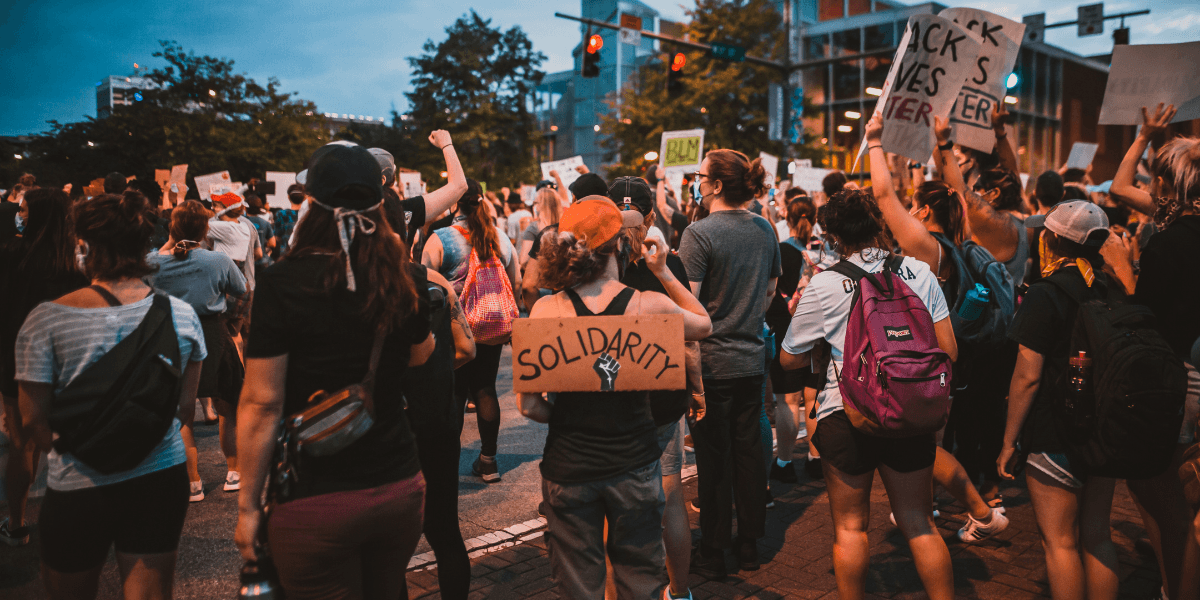
Thousands of Americans participated in coordinated demonstrations across the country on May 1, 2026, marking International Workers’ Day with one of the largest labor-focused mobilizations in recent years. Organized under the banner “May Day Strong,” the event featured rallies, marches, and a widespread “economic blackout” that encouraged participants to refrain from work, school, and consumer spending for the day.
The demonstrations took place in major cities including New York, Los Angeles, Chicago, and San Francisco, as well as in smaller communities nationwide. Organizers reported thousands of individual events, reflecting broad participation from labor unions, educators, students, and community organizations. The scale of the mobilization highlighted the growing visibility of worker-led advocacy efforts and the ability of grassroots campaigns to coordinate actions across multiple regions.
A Coordinated National Action
The centerpiece of the day’s activities was the economic blackout, a form of protest designed to underscore the essential role of workers and consumers in sustaining the national economy. Participants were encouraged to step away from their usual routines, whether by not attending work or school, or by avoiding purchases, to demonstrate the collective influence of everyday economic activity.
In several areas, the impact was noticeable. Some schools experienced closures or reduced attendance due to educator participation, while certain local businesses reported lower-than-usual customer traffic. Workers from various sectors, including healthcare, education, and service industries, joined demonstrations to express shared concerns about economic conditions and workplace challenges.
Public gatherings ranged from peaceful marches to organized rallies outside corporate offices and financial centers. In New York City, youth-led groups staged a demonstration near the financial district, drawing attention to the role of large institutions in shaping economic outcomes. Other cities saw similarly visible gatherings, with local authorities monitoring events to ensure public safety.
Key Issues Raised
While unified under the broader theme of workers’ rights, the demonstrations highlighted several issues affecting communities across the United States. Participants raised concerns about rising living costs, wage inequality, access to affordable education, and the availability of healthcare services.
The protests also emphasized the importance of collective action in addressing these challenges. Organizers framed the demonstrations as part of a broader effort to amplify worker voices and encourage dialogue around economic priorities. Messaging associated with the movement, including calls for pausing work and spending, was widely shared through digital platforms, helping to coordinate participation and raise awareness.
Historical Context and Significance
May Day has long served as a global symbol of labor advocacy, commemorating historical efforts to improve working conditions and secure fair wages. In the United States, the observance has evolved over time, reflecting changing economic conditions and workforce dynamics.
The scale and coordination of the 2026 demonstrations suggest a renewed level of engagement in labor-related issues. Analysts note that modern communication tools have played a key role in enabling large-scale organization, allowing participants from diverse regions and industries to unite around shared concerns.
The timing of the demonstrations also coincides with broader national conversations about economic resilience and workforce sustainability. By bringing attention to these topics, the May Day actions contribute to ongoing discussions about how to balance economic growth with equitable opportunities for workers.
Impact and Looking Ahead
Although the full economic impact of the blackout is still being evaluated, the demonstrations have already succeeded in drawing widespread attention. Increased public discourse around labor conditions and economic inequality indicates that the issues raised during the protests resonate with a broad segment of the population.
Organizers have indicated that the May 1 actions are part of a continuing effort rather than a single-day event. Discussions about future initiatives, including additional coordinated demonstrations, suggest that momentum may continue in the months ahead.
For policymakers, community leaders, and businesses, the events highlight the importance of engaging with workforce concerns in a constructive manner. Open dialogue and collaborative approaches may play a critical role in addressing the challenges outlined by participants.
Key Takeaways for Readers
The May Day protests of 2026 illustrate the enduring relevance of labor advocacy in the United States. The coordinated economic blackout demonstrates how collective participation can draw attention to systemic issues and encourage broader conversations about economic fairness.
For readers, the event underscores the importance of staying informed about developments that affect communities and workplaces nationwide. As discussions continue, the themes highlighted during May Day are likely to remain central to conversations about the future of work and economic opportunity.

Miami Highlight Contributor
Covers the local desk, reporting on the neighbourhoods, businesses, and people of greater Miami.
This article features partner, contributor, or branded content from a third party. Members of the Miami Highlight editorial staff were not involved in the creation of this content. All views and opinions are those of the contributor alone.
You May Also Like

Where Every Child Belongs: Catherine Gibson’s Vision for...
Beatrice Deliperi: Innovation in U.S. Finance

Miami Hosts Free Benefit Concert Supporting Earthquake Relief...

Wall Street Rebounds as Technology Stocks Lead Market...
Crane Collapse in Miami’s Brickell Neighborhood Sends Four...