
Heavy Rainfall Triggers Flood Advisories Across South Florida, Disrupting Miami Communities
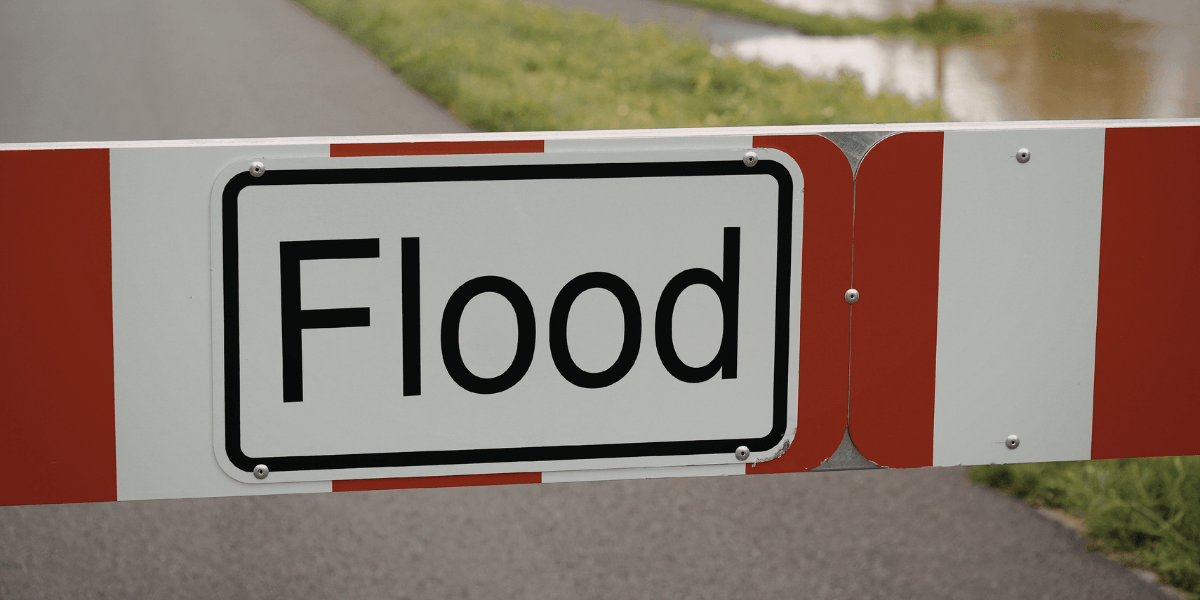
South Florida experienced significant weather-related disruptions on April 27, 2026, as a slow-moving storm system brought heavy rainfall across the Miami metropolitan area and surrounding counties. The intense precipitation led to localized flooding, traffic disruptions, and emergency advisories, highlighting ongoing concerns about infrastructure resilience and flood preparedness in one of the nation’s most climate-sensitive regions.
According to the National Weather Service (NWS) Miami office, parts of Miami-Dade and Broward counties recorded between 4 to 8 inches of rainfall within a 24-hour period. The heaviest downpours occurred during the early morning hours, overwhelming drainage systems and causing water to accumulate rapidly in low-lying areas. Flood advisories were issued throughout the day, with meteorologists warning that saturated ground conditions could prolong the risk of standing water even after rainfall subsided.
City officials reported that several major roadways experienced temporary closures due to flooding, including portions of U.S. Route 1 and key neighborhood streets in Miami’s urban core. Commuters faced delays as vehicles navigated waterlogged intersections, while public transportation services adjusted routes to maintain safety. Miami International Airport also reported minor delays, primarily due to reduced visibility and ground operation challenges during peak rainfall.
Emergency response teams were deployed across affected areas to monitor conditions and assist residents. Miami-Dade Fire Rescue responded to multiple calls involving stalled vehicles and minor water rescues, particularly in neighborhoods prone to recurrent flooding. Authorities emphasized the importance of avoiding flooded roadways, noting that even shallow water can pose risks to both drivers and pedestrians.
The April 27 weather event underscores the vulnerability of South Florida’s infrastructure to heavy rainfall, a concern that has been increasingly discussed among urban planners and local officials. Miami’s low elevation and proximity to coastal waters make it especially susceptible to flooding, particularly during periods of intense precipitation. While the city has invested in stormwater management systems—including upgraded pumps and drainage improvements—events like this highlight the ongoing challenges of managing extreme weather conditions.
In recent years, Miami has implemented a series of resilience projects aimed at reducing flood risk. These include elevating roadways, enhancing drainage capacity, and installing pump stations in flood-prone areas. According to city engineering reports, these measures have improved water management in certain neighborhoods; however, rapid rainfall events can still exceed system capacity, leading to temporary flooding.
Local businesses also felt the impact of the storm. Retail establishments and restaurants in affected districts reported slower foot traffic due to weather conditions, while some experienced minor water intrusion. Property managers in both residential and commercial buildings took precautionary measures, such as deploying sandbags and inspecting drainage systems to prevent damage.
From a residential perspective, the event serves as a reminder for homeowners and renters to remain prepared for sudden weather changes. Experts recommend routine maintenance of gutters and drainage systems, as well as awareness of flood-prone zones when considering property locations. For renters, understanding building flood mitigation features and insurance coverage options can be an important part of preparedness.
Meteorologists attributed the storm system to a combination of tropical moisture and a stationary atmospheric boundary over South Florida. This pattern allowed rain bands to repeatedly pass over the same areas, increasing rainfall totals and intensifying flooding risks. While such weather events are not uncommon in the region, their frequency and intensity have drawn attention to broader environmental and urban planning considerations.
Looking ahead, the NWS indicated that conditions were expected to gradually improve as the system moved offshore. However, officials continued to monitor water levels in canals and drainage basins, as runoff from earlier rainfall could sustain localized flooding. Residents were encouraged to stay informed through official weather updates and adhere to safety guidance issued by local authorities.
The April 27 flooding event highlights several key takeaways for Miami and the broader South Florida region. First, it reinforces the importance of continued investment in resilient infrastructure capable of handling extreme weather conditions. Second, it underscores the need for coordinated emergency response systems to ensure public safety during sudden events. Finally, it emphasizes the role of community awareness and preparedness in minimizing disruption and risk.
As Miami continues to grow and develop, balancing urban expansion with environmental resilience remains a critical priority. Events like this serve as real-time examples of the challenges faced by coastal cities, while also providing valuable insights into how infrastructure, policy, and community action can work together to address them.

Miami Highlight Contributor
Covers the local desk, reporting on the neighbourhoods, businesses, and people of greater Miami.
This article features partner, contributor, or branded content from a third party. Members of the Miami Highlight editorial staff were not involved in the creation of this content. All views and opinions are those of the contributor alone.
You May Also Like

Meet the Pharmacist-Formulated Body Care Brand Growing in...

Where Every Child Belongs: Catherine Gibson’s Vision for...

AutoNation Commits $1 Million to Cancer Research and...

Citadel Miami Headquarters Construction Halted After Drill Rig...

Beatrice Deliperi: Innovation in U.S. Finance