
Quarterfinal Field Set as 2026 FIFA World Cup Enters Decisive Stage
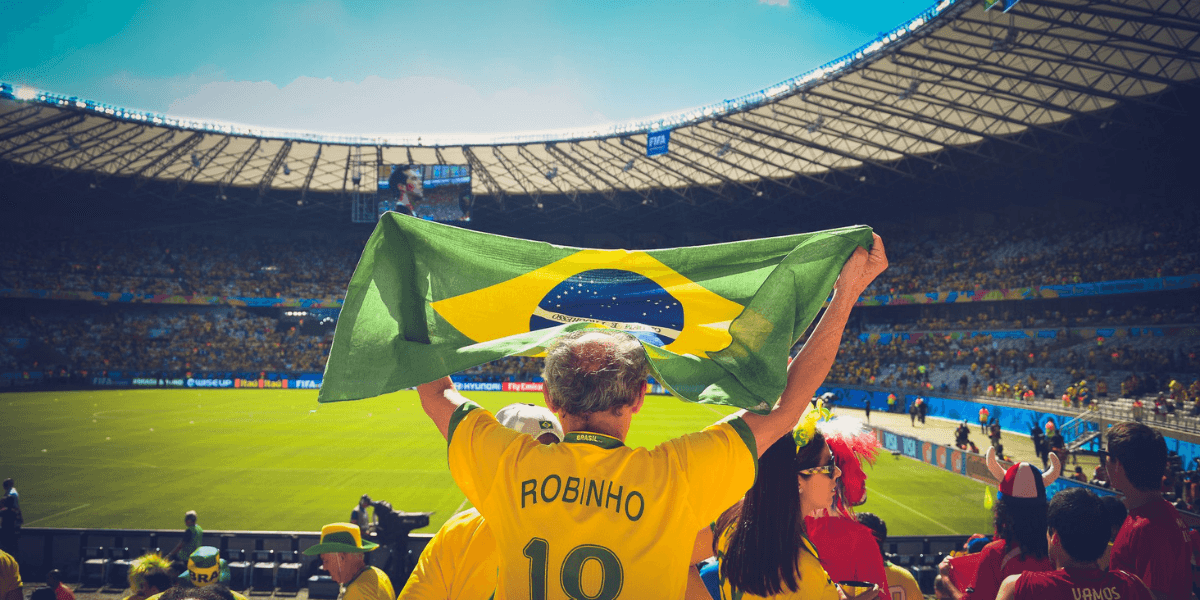
The 2026 FIFA World Cup reached another milestone on Monday, July 6, as the Round of 16 concluded and the tournament’s quarterfinal field was officially finalized. With the knockout stage narrowing the competition to eight remaining national teams, attention is now shifting toward the decisive matches that will determine who advances to the semifinals of the world’s largest sporting event.
Hosted jointly by the United States, Canada, and Mexico, the expanded 48-team tournament has drawn millions of spectators to stadiums across North America while attracting record global television audiences. As the competition enters its final stages, host cities continue experiencing increased tourism, economic activity, and international attention.
The conclusion of the Round of 16 marks a turning point in every FIFA World Cup. After nearly a month of group-stage and knockout competition, only eight teams remain in contention for the championship. Every remaining match now carries enormous significance, with a single victory bringing teams one step closer to lifting the FIFA World Cup Trophy on July 19.
Tournament organizers reported continued strong attendance throughout the knockout rounds, with supporters traveling from around the world to follow their national teams. Stadiums in host cities have consistently welcomed sellout crowds, reflecting the global popularity of the competition and the success of the United States, Canada, and Mexico in organizing one of the largest sporting events in history.
For the United States, the World Cup continues to deliver economic benefits beyond the matches themselves. Hotels, restaurants, transportation providers, retailers, and local attractions have experienced increased customer activity as international visitors extend their stays before and after matches.
Florida remains one of the tournament’s key host regions. Hard Rock Stadium in Miami Gardens has welcomed supporters from dozens of countries during the competition and will continue playing an important role as the tournament progresses. The venue is scheduled to host additional high-profile matches before the World Cup concludes later this month, reinforcing South Florida’s position as one of the premier destinations for international sporting events.
Local tourism officials have highlighted the broader impact of the tournament on South Florida’s hospitality industry. Visitors attending matches frequently explore nearby beaches, restaurants, museums, shopping districts, and cultural attractions, creating sustained economic activity that extends well beyond the stadium.
The knockout stage has also showcased the unpredictable nature of international soccer. Several closely contested matches required disciplined defensive play and tactical adjustments as national teams competed under intense pressure. Because elimination comes with every defeat, coaches have increasingly emphasized organization, possession, and efficient finishing rather than taking unnecessary risks.
Security and event management continue to remain priorities throughout the tournament. Federal, state, and local agencies have coordinated transportation, emergency services, crowd management, and public safety operations at every venue. Organizers have praised the collaboration among host cities, noting that planning efforts began years before the tournament opened in June.
Beyond its immediate sporting impact, the World Cup is expected to leave a lasting legacy for soccer in the United States. Participation in youth soccer has steadily increased over recent decades, while professional leagues continue expanding fan engagement and attendance. Hosting the tournament provides additional opportunities to inspire young athletes and strengthen interest in the sport nationwide.
South Florida has particularly benefited from soccer’s growing popularity. International competitions, club exhibitions, and major tournaments have helped establish the Miami area as one of North America’s leading soccer destinations. The city’s diverse international population has contributed to enthusiastic crowds throughout the World Cup, creating vibrant matchday atmospheres both inside and outside the stadium.
Businesses across the region have also embraced the tournament by welcoming international visitors and extending operating hours during major match days. Restaurants, sports bars, hotels, rideshare services, and retail establishments have reported increased demand as supporters gather to watch matches and celebrate their teams.
With the quarterfinal schedule now confirmed, analysts expect the remaining matches to feature even higher levels of competition. National teams that have reached this stage have demonstrated consistency, tactical discipline, and resilience throughout the tournament. Every remaining nation now stands just three victories away from becoming world champion.
Fans can also expect increasing global attention as the competition progresses. Television audiences traditionally grow during the quarterfinals, semifinals, and championship match, making the closing weeks of the World Cup among the most-watched sporting events anywhere in the world.
For Miami and the surrounding South Florida community, the tournament continues to showcase the region’s ability to host major international events while providing economic opportunities for local businesses and attractions. The successful staging of World Cup matches reinforces Florida’s reputation as a destination capable of welcoming large international audiences.
As the tournament moves into its final two weeks, anticipation continues building among players, supporters, and host communities alike. Every remaining match promises dramatic competition, with the world’s best national teams now focused on earning a place in the semifinals and keeping their championship hopes alive.
With the quarterfinal field now complete, the 2026 FIFA World Cup enters its most compelling phase, setting the stage for a memorable conclusion to one of the largest sporting events ever held in North America.

Miami Highlight Contributor
Covers entertainment and sport, following the performers and teams that define the city's weekends.
This article features partner, contributor, or branded content from a third party. Members of the Miami Highlight editorial staff were not involved in the creation of this content. All views and opinions are those of the contributor alone.
You May Also Like

Atlantic Health Strategies: Modernizing Behavioral Health Through Purpose-Built...
Miami Dolphins Lose Star Running Back De'Von Achane...
Miami Hurricanes Dominate Central Michigan 52-3 at Hard...

Meet the Pharmacist-Formulated Body Care Brand Growing in...

Cubs Clinch Playoff Berth in Miami as Pete...