Severe Thunderstorms Impact South Florida, Causing Flooding and Travel Disruptions in Miami
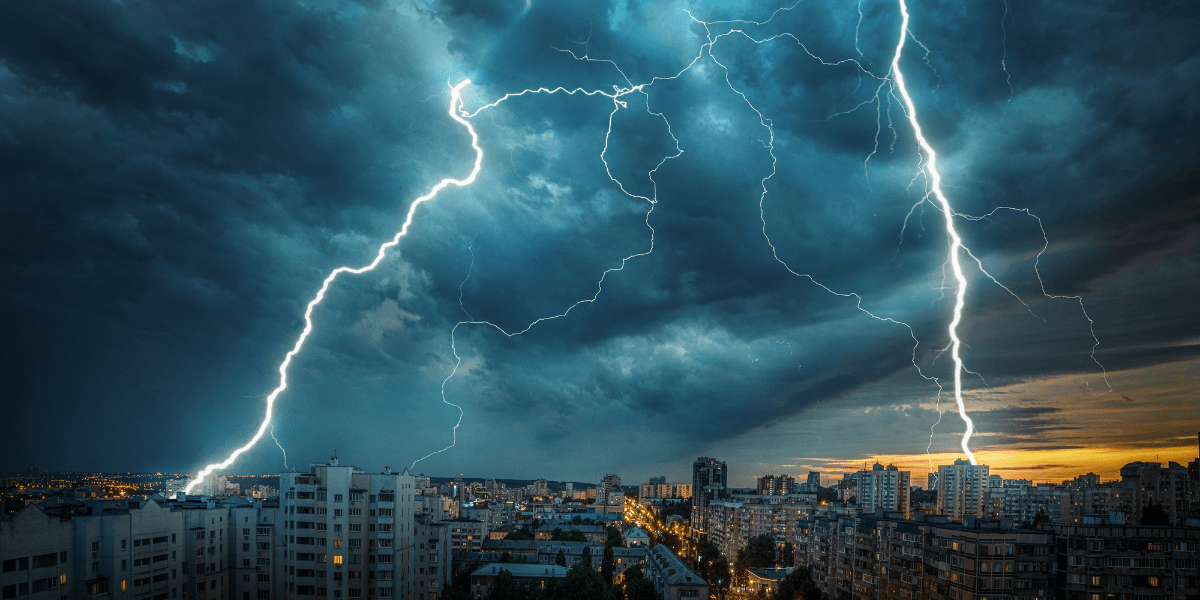
A powerful round of severe thunderstorms swept across South Florida on April 30, 2026, bringing heavy rainfall, localized flooding, and transportation disruptions throughout the Miami area. The weather event, driven by a surge of tropical moisture and unstable atmospheric conditions, prompted flood advisories and emergency responses, underscoring ongoing concerns about urban resilience in one of the nation’s most flood-prone regions.
According to the National Weather Service (NWS) Miami office, rainfall totals ranged from 3 to 8 inches across parts of Miami-Dade County within a 24-hour period. Some localized areas experienced even higher accumulations due to slow-moving storm cells that repeatedly passed over the same locations—a phenomenon known as “training,” which significantly increases flood risk. The NWS issued multiple flood advisories throughout the day, warning residents of rapidly rising water levels in low-lying areas.
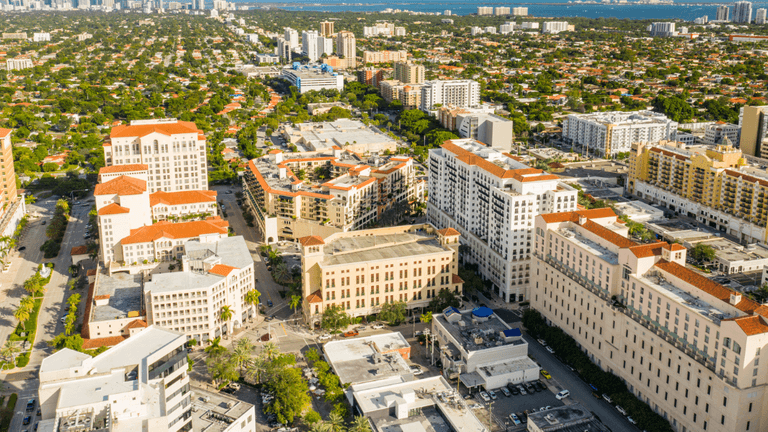
Flooding was reported in several Miami neighborhoods, including Downtown, Little Havana, and sections of Miami Beach. Streets became temporarily impassable as stormwater overwhelmed drainage systems, particularly during peak rainfall in the afternoon. City officials responded by closing certain roads and redirecting traffic to minimize safety risks. Motorists were advised to avoid driving through flooded areas, as even shallow water can stall vehicles or conceal hazards.
Emergency services were actively engaged throughout the day. Miami-Dade Fire Rescue responded to numerous calls involving stalled vehicles and minor water rescues, assisting residents affected by sudden flooding. Public works crews were deployed to clear storm drains and monitor canal levels, working to manage water flow and reduce the duration of flooding in critical areas.
The storm also had a noticeable impact on transportation infrastructure. Miami International Airport reported delays in both arrivals and departures due to reduced visibility and weather-related operational constraints. Ground transportation systems, including bus and rail services, experienced minor disruptions as certain routes were affected by standing water and traffic congestion.
Local businesses felt the effects of the severe weather as well. Retail shops and restaurants saw reduced customer activity during peak storm hours, particularly in areas where flooding limited access. Some establishments implemented precautionary measures such as sandbagging entrances and securing outdoor spaces to prevent damage. Property managers across residential and commercial buildings monitored conditions closely, ensuring that drainage systems were functioning properly and addressing any water intrusion concerns.
Meteorologists attributed the intensity of the storm system to a combination of warm ocean temperatures and a stationary atmospheric boundary over South Florida. These conditions allowed moisture-rich air to fuel sustained thunderstorm development. According to the National Oceanic and Atmospheric Administration (NOAA), such patterns are common during seasonal transitions but can vary in severity depending on atmospheric dynamics.
The April 30 event highlights broader challenges related to flooding and infrastructure in Miami. Due to its low elevation and proximity to the coastline, the city is particularly vulnerable to heavy rainfall and high-tide interactions that slow drainage. While Miami has invested significantly in flood mitigation efforts—including upgraded pump stations, elevated roadways, and improved drainage systems—extreme weather events can still test these systems’ capacity.
City officials have emphasized that ongoing resilience projects are helping to reduce the impact of flooding in certain areas. Reports from Miami’s resilience initiatives indicate that upgraded infrastructure has improved water management in several neighborhoods, shortening the duration of flooding compared to previous years. However, experts continue to stress the importance of long-term planning and sustained investment to address increasing weather variability.
Residents are also encouraged to play a role in preparedness. Authorities highlighted the importance of staying informed through official weather alerts, maintaining clear drainage around homes, and avoiding unnecessary travel during severe weather conditions. For renters and homeowners alike, understanding flood risks and reviewing insurance coverage can be critical steps in minimizing potential losses.
Looking ahead, forecasters indicated that conditions would gradually improve as the storm system moved offshore. However, lingering moisture could result in scattered showers in the following days, and officials continued to monitor water levels in canals and retention systems. Cleanup efforts were expected to begin promptly once floodwaters receded, with city crews assessing any damage to public infrastructure.
Key takeaways from the April 30, 2026, storm include the importance of coordinated emergency response, the ongoing need for infrastructure investment, and the role of community awareness in reducing risk. The event serves as a reminder that while Miami has made progress in addressing flood challenges, extreme weather remains a significant factor in daily life.
As South Florida continues to grow, balancing development with environmental resilience will remain essential. Events like this not only disrupt daily routines but also provide valuable insights into how cities can adapt and strengthen their systems. For Miami, the April 30 storms underscore both the progress made and the work still needed to ensure long-term sustainability and safety.

Miami Highlight Contributor
Covers the local desk, reporting on the neighbourhoods, businesses, and people of greater Miami.
This article features partner, contributor, or branded content from a third party. Members of the Miami Highlight editorial staff were not involved in the creation of this content. All views and opinions are those of the contributor alone.
You May Also Like

Dr. Ahriana Platten On Why Menopause May Be...

Matthew Fornaro: South Florida Business Litigator
Hurricane Isaias Makes Landfall Near Destin, Bringing Dangerous...
South Florida Faces Flooding Concerns as Heavy Rain...

Teleplay Sureste: The Voice of Southeast Mexico