
Florida Faces Dangerous Heat as High Temperatures Continue Across the State
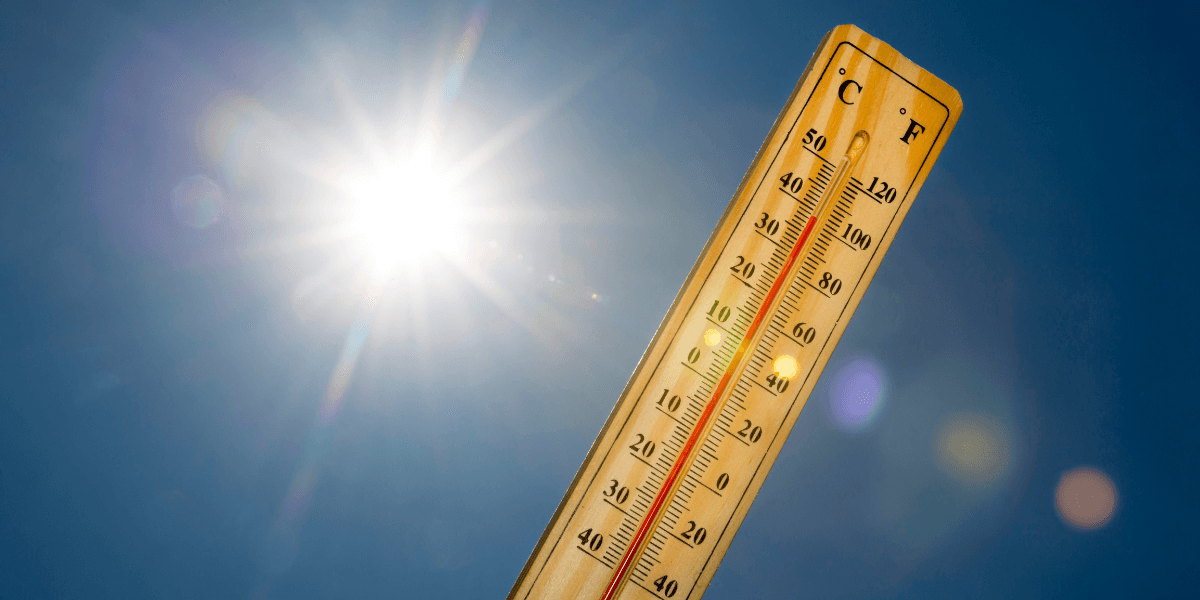
Florida residents and visitors faced another day of dangerous summer heat on Thursday, July 9, as forecasters warned that high temperatures and oppressive humidity would continue to create hazardous conditions across much of the state. Officials encouraged the public to take precautions as heat index values, or “feels like” temperatures, climbed well above the actual air temperature in many areas.
The intense heat is part of a broader weather pattern affecting large portions of the United States. While some regions experienced record-breaking temperatures, Florida’s combination of heat and high humidity significantly increased the risk of heat-related illnesses. Even when air temperatures remained in the 90s, humidity pushed heat index values above 100 degrees in many communities.
Health officials urged residents to stay hydrated, avoid prolonged outdoor activities during the hottest hours of the afternoon, and spend time in air-conditioned environments whenever possible. Older adults, young children, outdoor workers, and individuals with chronic medical conditions were identified as the most vulnerable groups during periods of extreme heat.
Emergency management agencies also reminded Floridians to recognize the warning signs of heat-related illnesses. Symptoms such as dizziness, heavy sweating, muscle cramps, nausea, headaches, and fatigue can indicate heat exhaustion. More severe symptoms, including confusion, loss of consciousness, or a body temperature above 103 degrees, may signal heat stroke, a medical emergency requiring immediate treatment.
South Florida also experienced hazy skies due to seasonal Saharan dust drifting across the Atlantic. While the dust often creates colorful sunrises and sunsets, it can reduce air quality and aggravate respiratory conditions such as asthma and allergies. Individuals with breathing difficulties were encouraged to limit extended outdoor exposure if air quality worsened.
Tourism destinations across Florida continued welcoming visitors while emphasizing heat safety. Beaches, parks, and outdoor attractions encouraged guests to drink plenty of water, wear lightweight clothing, apply sunscreen regularly, and take frequent breaks in shaded or indoor areas. Businesses that rely on outdoor activities also reminded employees and customers to remain alert for signs of heat stress.
Outdoor workers, including those in construction, landscaping, and utility services, faced additional challenges as temperatures climbed throughout the day. Employers were encouraged to provide regular hydration breaks, shaded rest areas, and schedule physically demanding work during cooler morning hours whenever possible.
Florida’s agricultural sector also continued monitoring weather conditions. Extended periods of high temperatures can increase water demands for crops while placing additional stress on livestock. Farmers across the state routinely adjust irrigation schedules and animal care practices during prolonged heat events to minimize potential impacts.
Weather experts noted that while scattered afternoon thunderstorms remain common during Florida’s summer months, they often provide only temporary relief from the heat. High humidity typically returns soon after rainfall, allowing uncomfortable conditions to persist into the evening.
Officials also reminded the public never to leave children or pets unattended inside parked vehicles, even for a short period. Vehicle interiors can reach life-threatening temperatures within minutes, even when outside temperatures appear manageable.
Although hurricanes often dominate weather headlines during the summer, extreme heat remains one of Florida’s most consistent seasonal hazards. Public health experts emphasize that heat-related illnesses are largely preventable through proper hydration, limiting outdoor exposure during peak afternoon hours, and paying close attention to official weather advisories.
As the state moves further into the peak of the summer season, emergency officials continue encouraging residents to monitor local forecasts and practice simple heat safety measures. Staying informed and taking preventive steps can help reduce health risks while allowing Floridians and visitors alike to safely enjoy the season despite the challenging weather conditions.

Miami Highlight Contributor
Covers politics, statewide affairs, and long-form investigations across Florida.
This article features partner, contributor, or branded content from a third party. Members of the Miami Highlight editorial staff were not involved in the creation of this content. All views and opinions are those of the contributor alone.
You May Also Like

Matthew Fornaro: South Florida Business Litigator

Teleplay Sureste: The Voice of Southeast Mexico

Atlantic Health Strategies: Modernizing Behavioral Health Through Purpose-Built...

South Florida Begins October With Heavy Rain, Flooding...

Ken Griffin Gives $3 Billion to Carnegie Mellon...