
Miami International Airport Records Strong Summer Passenger Traffic as Travel Demand Remains High
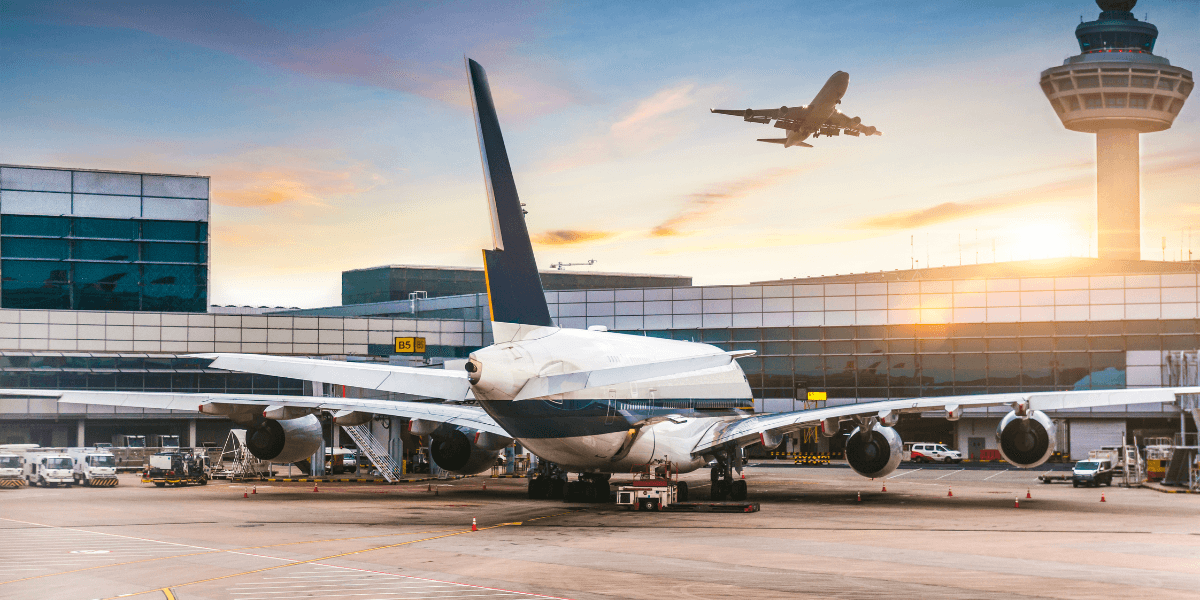
Miami International Airport continued to experience elevated passenger activity as the summer travel season reached one of its busiest periods, with thousands of travelers arriving in and departing from South Florida each day. Airport officials reported steady operations while encouraging passengers to plan ahead, arrive early, and remain informed about flight schedules during the high-volume travel period.
As one of the nation’s leading international airports, Miami International Airport serves as a major gateway connecting Florida with destinations across Latin America, the Caribbean, Europe, and the rest of the United States. The airport plays a critical role in supporting tourism, international commerce, and business travel, making it one of Miami-Dade County’s most significant transportation assets.
Throughout the day, travelers filled ticket counters, security checkpoints, baggage claim areas, and departure gates as airlines operated busy schedules to accommodate seasonal demand. Families beginning summer vacations, business travelers, cruise passengers, and international visitors contributed to the increased passenger volume, creating a steady flow of activity throughout the airport’s terminals.
Airport officials said extensive planning helps prepare for seasonal travel increases. Additional customer service personnel were assigned to assist passengers with wayfinding, flight information, and general travel questions, while airport operations teams coordinated closely with airlines and federal agencies to maintain efficient passenger movement.
“Summer travel is one of the busiest times of the year for our airport,” an airport representative said. “Preparation, coordination, and communication are essential to providing a smooth travel experience while maintaining the highest standards of safety and security.”
The Transportation Security Administration continued processing large numbers of passengers through security checkpoints while reminding travelers to review baggage regulations before arriving at the airport. Officials encouraged passengers to check airline requirements in advance, particularly those traveling internationally, where documentation requirements may differ depending on destination.
Ground transportation providers also experienced increased activity throughout the day. Taxis, rideshare services, hotel shuttles, rental car companies, and public transit systems worked to accommodate the higher number of arriving and departing travelers. Airport officials reminded passengers to use designated pickup and drop-off locations to improve traffic flow around terminal entrances.
Beyond passenger travel, Miami International Airport remains one of the country’s busiest air cargo facilities. Every day, significant quantities of flowers, seafood, pharmaceuticals, electronics, and other time-sensitive goods move through the airport, supporting businesses throughout Florida and international markets. Cargo operations continued alongside passenger services without significant disruption despite increased seasonal travel demand.
Local tourism officials said strong passenger activity reflects Miami’s continued popularity as both a vacation destination and an international business hub. Visitors arriving through the airport contribute to the local economy by staying in hotels, dining at restaurants, shopping at retail centers, visiting cultural attractions, and participating in recreational activities throughout South Florida.
The hospitality industry also welcomed the continued increase in travelers. Hotels across Downtown Miami, Brickell, Miami Beach, and other nearby communities reported consistent occupancy as visitors extended their stays before cruises, sporting events, and family vacations. Restaurant owners similarly noted healthy customer traffic driven in part by the steady arrival of domestic and international tourists.
Technology continues playing an increasingly important role in improving airport efficiency. Many passengers now use mobile boarding passes, online check-in services, automated baggage systems, and real-time flight notifications to simplify the travel experience. Airport administrators said ongoing investments in digital services help reduce wait times while improving convenience for travelers.
Infrastructure improvements remain another priority as airport officials prepare for future growth. Modernization projects aimed at enhancing passenger facilities, improving operational efficiency, and expanding capacity continue supporting Miami International Airport’s long-term role as a global transportation hub. These investments are expected to strengthen the airport’s ability to accommodate growing travel demand over the coming years.
Business leaders emphasized the airport’s broader economic importance beyond aviation. Miami International Airport supports thousands of jobs across transportation, hospitality, logistics, retail, food service, and tourism-related industries. Its continued success contributes significantly to the economic vitality of Miami-Dade County and South Florida as a whole.
Environmental sustainability initiatives also remain part of the airport’s long-term strategy. Airport administrators continue exploring opportunities to improve energy efficiency, modernize infrastructure, and reduce environmental impacts while supporting continued operational growth. These efforts align with broader goals of maintaining reliable service while preparing for increasing passenger and cargo volumes.
As summer travel continues, airport officials encourage passengers to monitor weather conditions, verify flight information before leaving for the airport, and allow sufficient time for check-in and security procedures. Afternoon thunderstorms, common during South Florida summers, can occasionally affect flight schedules even when airport operations remain normal.
With travel demand expected to remain strong throughout the season, Miami International Airport continues demonstrating its importance as one of the nation’s premier aviation hubs. Through ongoing coordination among airlines, federal agencies, airport staff, and transportation partners, the airport remains well-positioned to provide safe, efficient, and reliable service while supporting tourism, commerce, and economic growth across South Florida.

Miami Highlight Contributor
Covers the local desk, reporting on the neighbourhoods, businesses, and people of greater Miami.
This article features partner, contributor, or branded content from a third party. Members of the Miami Highlight editorial staff were not involved in the creation of this content. All views and opinions are those of the contributor alone.
You May Also Like

Atlantic Health Strategies: Modernizing Behavioral Health Through Purpose-Built...

Miami Dolphins Lose Star Running Back De'Von Achane...

Miami Hurricanes Dominate Central Michigan 52-3 at Hard...

Meet the Pharmacist-Formulated Body Care Brand Growing in...

Cubs Clinch Playoff Berth in Miami as Pete...