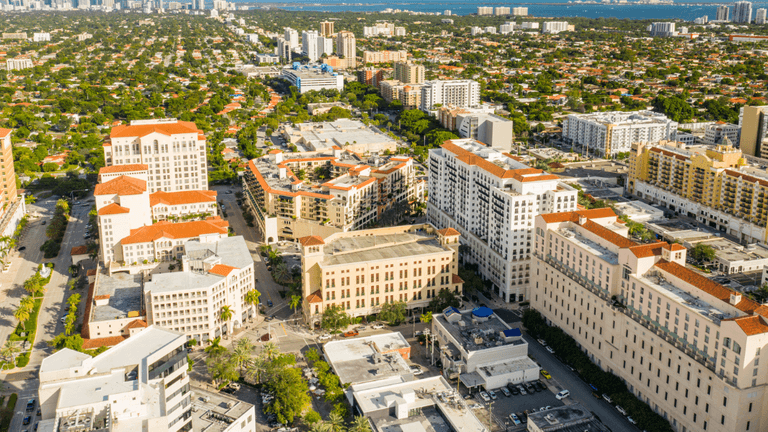
Miami Reflects on World Cup Legacy as City Looks Beyond a Historic Tournament
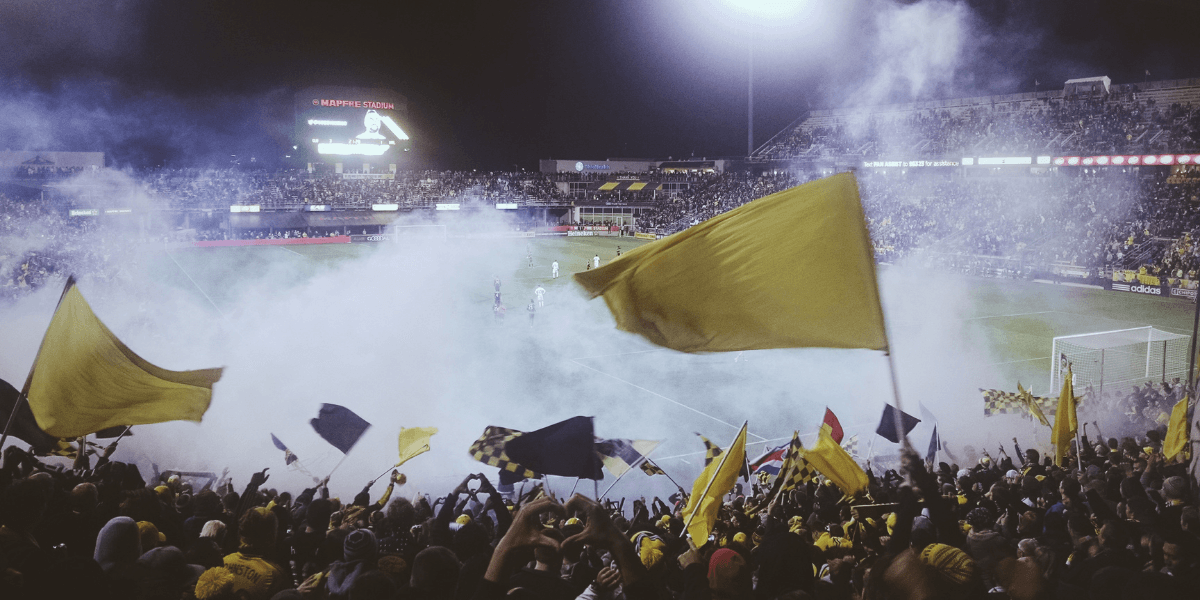
With the 2026 FIFA World Cup now complete, Miami is turning its attention from hosting one of the world’s largest sporting events to evaluating the tournament’s lasting impact on the region. After welcoming hundreds of thousands of visitors for multiple matches, including the third-place playoff at Hard Rock Stadium, local officials, businesses, and community leaders are assessing how the global spotlight may influence South Florida’s future.
Throughout the tournament, Miami served as one of the United States’ premier host cities, drawing fans from across the globe to stadium events, public watch parties, restaurants, hotels, and entertainment districts. Areas including Downtown Miami, Miami Beach, Wynwood, and surrounding neighborhoods experienced heightened activity as international visitors explored the city’s cultural attractions alongside World Cup festivities.
Economically, the tournament generated significant demand for hotels, transportation providers, restaurants, retailers, and hospitality businesses. The influx of visitors provided many local establishments with increased customer traffic during the competition, reinforcing Miami’s reputation as one of the country’s leading destinations for international tourism and major sporting events. While comprehensive economic impact figures are still being compiled, local business organizations expect the event to contribute valuable data for future large-scale event planning.
The tournament also showcased Miami’s ability to host complex global events requiring coordination among public agencies, law enforcement, transportation officials, emergency responders, and private-sector partners. Extensive planning before and during the competition helped manage large crowds while supporting visitor mobility across the metropolitan area.
Beyond the immediate economic activity, many civic leaders are focused on the tournament’s long-term legacy. International broadcasts featured Miami’s skyline, beaches, neighborhoods, and cultural landmarks throughout the competition, providing worldwide exposure that tourism officials hope will continue attracting visitors long after the final whistle.
The conclusion of the World Cup has also sparked discussion about how host cities can maximize the benefits of major sporting events after international attention shifts elsewhere. Urban planners, economists, and community organizations have emphasized that sustained investment in public spaces, transportation improvements, youth sports, and community engagement often determines whether a global event produces lasting local value.
For South Florida’s soccer community, the tournament represents another milestone in the sport’s continued growth. Youth participation has expanded steadily over the past decade, while professional soccer has gained increasing visibility throughout the region. Local clubs, academies, and recreational programs are expected to benefit from renewed interest generated by the tournament’s success.
Attention is already shifting back to domestic competition. Inter Miami CF resumes its Major League Soccer schedule as supporters return their focus to club football following an unprecedented summer of international competition. The transition underscores how Miami has become an important part of both the global and domestic soccer landscape.
Sports tourism experts note that successfully hosting events of this scale can strengthen a city’s ability to attract future international competitions, conventions, and entertainment events. Miami has developed extensive experience organizing major sporting occasions, including Super Bowls, Formula One racing, international tennis tournaments, and now one of the largest FIFA World Cups ever held.
Community organizations have also highlighted the opportunity to build upon the tournament’s cultural impact. Throughout the competition, neighborhoods across Miami celebrated the city’s diverse international population through public gatherings, cultural festivals, and community events that reflected the global nature of the World Cup. Those celebrations reinforced South Florida’s identity as one of the nation’s most multicultural regions.
As residents reflect on an extraordinary month of international soccer, attention is increasingly focused on how the investments, partnerships, and worldwide visibility created by the tournament can continue benefiting the community. While the matches have concluded, the conversations surrounding tourism, economic development, youth sports, and international engagement are expected to continue shaping Miami’s future.
For a city long recognized as a gateway between the United States and the world, hosting the FIFA World Cup represented more than a successful sporting event. It demonstrated Miami’s capacity to welcome a global audience while reinforcing its position as one of America’s leading destinations for international culture, entertainment, and major events.

Miami Highlight Contributor
Covers entertainment and sport, following the performers and teams that define the city's weekends.
This article features partner, contributor, or branded content from a third party. Members of the Miami Highlight editorial staff were not involved in the creation of this content. All views and opinions are those of the contributor alone.
You May Also Like

Dr. Ahriana Platten On Why Menopause May Be...
Matthew Fornaro: South Florida Business Litigator
Hurricane Isaias Makes Landfall Near Destin, Bringing Dangerous...

South Florida Faces Flooding Concerns as Heavy Rain...

Teleplay Sureste: The Voice of Southeast Mexico