Hurricane Isaias Makes Landfall Near Destin, Bringing Dangerous Winds and Flooding to Florida’s Gulf Coast
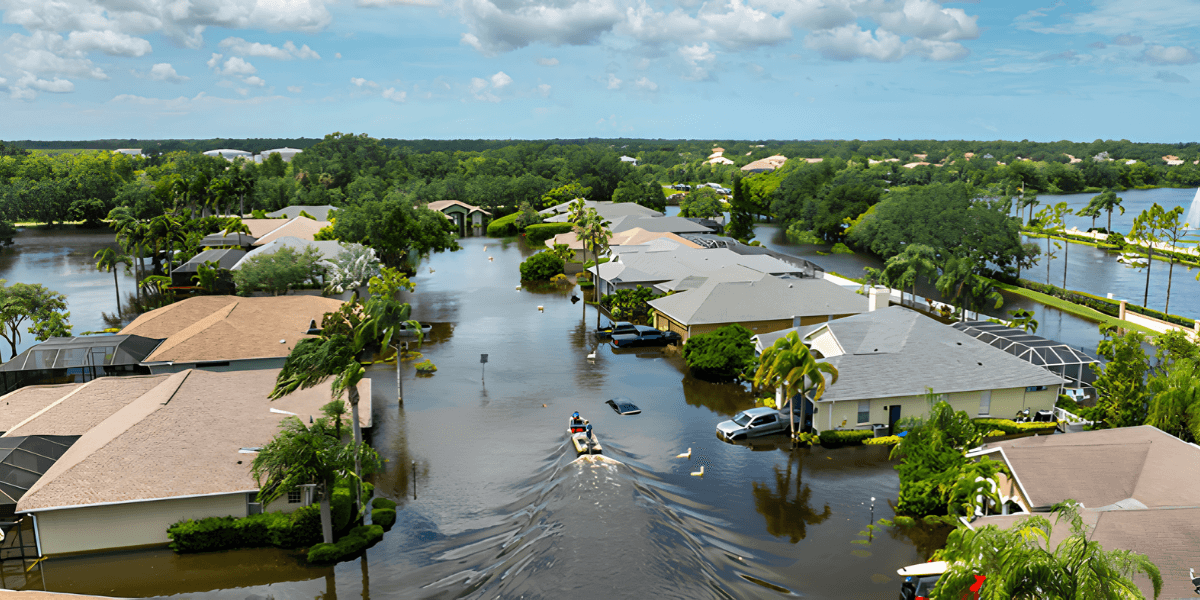
Hurricane Isaias struck Florida’s Gulf Coast with 105 mph winds, storm surge and flooding threats, endangering coastal communities.
Hurricane Isaias made landfall near Destin as a Category 2 storm, bringing damaging winds, dangerous storm surge and flash-flood threats to Florida’s Panhandle and neighboring Gulf Coast communities.
Hurricane Reaches Florida’s Panhandle
Hurricane Isaias struck the Florida Gulf Coast on Friday evening, making landfall near Destin with maximum sustained winds of approximately 105 mph, according to the National Hurricane Center. The storm brought hazardous conditions to coastal communities, with heavy rainfall, dangerous surf and flooding threats extending inland.
The National Hurricane Center reported the landfall at approximately 8:30 p.m. Central Daylight Time. The storm’s arrival placed communities across the western Florida Panhandle on alert as emergency officials monitored wind damage, rising water and the potential for additional flooding.
The hurricane’s effects extended beyond the immediate landfall location. Strong winds threatened trees, power lines and structures, while storm surge raised concerns about coastal inundation. The combination of wind and water created multiple hazards for residents and emergency responders.
Storm Surge and Wind Damage
Storm surge was among the most serious concerns along the Gulf Coast. The National Hurricane Center reported a water level of approximately 5.6 feet above mean higher high water at a gauge in Panama City Beach. Such measurements indicate the potential for substantial coastal inundation, although the actual impact varies according to local terrain, tide levels and the movement of water.
Wind observations also illustrated the storm’s intensity. A WeatherFlow station near Santa Rosa Sound recorded a gust of 116 mph, while a WeatherSTEM station near Pensacola reported a gust of 100 mph.
These observations demonstrate why residents can experience dangerous conditions even when they are not directly beneath the storm’s center. Strong gusts can damage roofs, break tree limbs, disrupt electrical service and make road travel hazardous.
Heavy rainfall adds another layer of risk. Water can accumulate quickly in low-lying neighborhoods, overwhelm drainage systems and create dangerous conditions on roads. Flooding may continue after the strongest winds have passed, particularly where rainfall remains persistent or drainage is limited.
Emergency Preparedness Across the Region
Hurricanes require coordinated responses involving local governments, emergency management agencies, utility companies and first responders. Before and during landfall, officials assess evacuation needs, identify shelters, monitor vulnerable infrastructure and communicate warnings to the public.
Residents in affected areas are generally advised to follow official evacuation instructions, avoid flooded roads and remain away from downed power lines. Even shallow moving water can be dangerous, while submerged roads may conceal washed-out surfaces or other hazards.
Power disruptions can complicate recovery by affecting traffic signals, refrigeration, communications and essential services. Utility crews may need to wait until conditions are safe before beginning repairs in areas with downed lines or unstable trees.
The extent of damage varies from one community to another. Areas exposed to stronger winds, higher water levels or concentrated rainfall may experience more severe effects than nearby locations.
Why the Panhandle’s Geography Matters
Florida’s Gulf Coast contains beaches, bays, low-lying residential areas and infrastructure that can be exposed to storm surge and heavy rainfall. Coastal development, road access and drainage conditions all influence how a hurricane affects individual communities.
Destin and surrounding communities also depend on tourism, hospitality, fishing, retail and other services that can be disrupted by severe weather. Closures, damaged infrastructure and transportation interruptions can affect businesses even when their buildings remain intact.
Recovery depends on the condition of roads, utilities, public facilities and private property. Authorities must assess damage before determining which areas can safely reopen and which require further restrictions.
Monitoring the Storm’s Progress
The National Hurricane Center tracked Isaias as it approached and crossed the Gulf Coast. Its official advisories provided information about the storm’s location, wind speed, movement and expected hazards.
Hurricane forecasts are updated as new observations become available. Residents and businesses should therefore rely on current National Weather Service and local emergency-management information rather than older forecasts or unverified social-media reports.
A storm’s category also does not describe every aspect of its danger. Rainfall, storm surge, tornadoes and inland flooding can cause significant damage even as sustained wind speeds decrease.
A Critical Test for Gulf Coast Communities
Isaias’s landfall highlighted the range of hazards a hurricane can bring to Florida’s Panhandle. Damaging winds, rising water and flooding can affect homes, transportation, utilities and businesses at the same time.
The immediate priorities following landfall include protecting residents, maintaining emergency access, assessing infrastructure and restoring essential services when conditions permit.
The storm’s final impact will depend on the extent of damage, the duration of hazardous weather and the speed of recovery operations. Official advisories and local assessments remain essential to understanding which communities face continuing risks and when normal activity can safely resume.

Miami Highlight Contributor
Covers politics, statewide affairs, and long-form investigations across Florida.
This article features partner, contributor, or branded content from a third party. Members of the Miami Highlight editorial staff were not involved in the creation of this content. All views and opinions are those of the contributor alone.
You May Also Like

Dr. Ahriana Platten On Why Menopause May Be...

Matthew Fornaro: South Florida Business Litigator
South Florida Faces Flooding Concerns as Heavy Rain...

Teleplay Sureste: The Voice of Southeast Mexico
Coral Gables Introduces Same-Day Permit Reviews for Eligible...