
South Florida Faces Flooding Concerns as Heavy Rain and King Tides Return
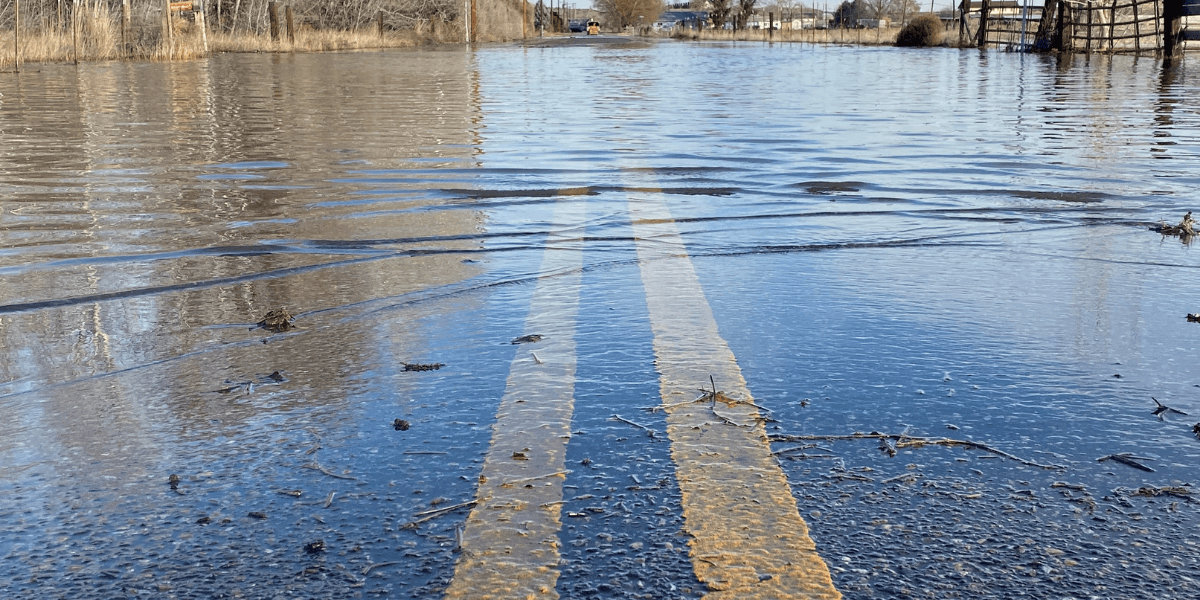
Heavy downpours and seasonal high tides put South Florida communities on alert for localized flooding and transportation disruptions.
South Florida residents faced renewed flooding concerns as heavy showers, thunderstorms and the return of seasonal king tides created the potential for localized inundation across the region. The weather outlook highlighted a familiar challenge for Miami-Dade and Broward counties: rainfall and elevated coastal water levels can combine to disrupt neighborhoods, roads and daily routines even when no major hurricane is approaching.
CBS Miami reported on October 7 that scattered showers and thunderstorms were expected during the afternoon, with heavy downpours possible in some locations. The station also warned that returning king tides could contribute to minor coastal flooding. The forecast placed attention on both immediate rainfall and the broader vulnerability of low-lying communities.
Rainfall and Coastal Water Levels Create a Combined Risk
South Florida's flooding exposure reflects its geography. Much of the region is relatively flat, and populated areas sit close to the Atlantic coastline, Biscayne Bay and an extensive network of canals and waterways. When intense rainfall arrives faster than drainage systems can move water away, streets and other low-lying areas can flood.
King tides add another challenge. The term describes especially high seasonal tides that occur when astronomical conditions align to raise water levels above more typical daily highs. These tides can push seawater into vulnerable coastal areas, particularly where drainage outlets are affected by elevated water levels.
When heavy rain and high tides occur around the same period, stormwater may drain less efficiently in certain locations. The result can be localized flooding even without a tropical cyclone, prolonged storm or unusually large storm surge. The conditions do not guarantee flooding everywhere, but they can increase the risk in places already susceptible to high water.
Why the Forecast Matters to Miami-Dade and Broward
For residents, the practical consequences can range from temporary street flooding to slower commutes and disruptions to businesses operating in low-lying districts. Water covering a roadway may conceal potholes or other hazards, while standing water can make it difficult for pedestrians to cross intersections safely.
Businesses can also face operational challenges when customers, workers or deliveries encounter flooded access roads. Ground-floor properties, parking facilities and buildings with vulnerable drainage systems may require particular attention during periods of elevated water.
The October 7 forecast was especially relevant because South Florida's coastal flooding concerns extend beyond the immediate shoreline. Urban development, paved surfaces and the region's drainage infrastructure influence how rainfall moves through neighborhoods. Water levels in surrounding waterways can also affect local drainage conditions.
The weather outlook did not establish that widespread flooding had occurred. Rather, it identified conditions that could produce isolated problems, making it important to distinguish a forecasted risk from confirmed damage.
King Tides Are a Recurring Regional Challenge
Seasonal high tides are a recurring feature of South Florida's annual weather and coastal cycle. Their effects vary by location, with some communities experiencing nuisance flooding while others remain largely unaffected.
The repeated occurrence of these events has made tidal flooding an important consideration for municipal infrastructure, property maintenance and long-term resilience planning. Drainage capacity, road elevation, seawall conditions and the design of stormwater systems can all influence how a neighborhood responds to elevated water.
Miami and surrounding communities have also had to consider how coastal water levels interact with heavy rainfall. A drainage system that performs adequately during ordinary tides may face greater difficulty when water levels are elevated at the outlet.
These factors mean that residents cannot assess flood exposure solely by looking at whether a tropical storm is approaching. Ordinary weather systems can create localized hazards when rainfall intensity and coastal conditions coincide.
Preparedness and Local Monitoring Remain Important
During periods of heavy rain, residents can reduce avoidable risks by checking official weather updates, allowing additional travel time and avoiding flooded roads. Property owners in vulnerable locations may also monitor water accumulation around entrances, parking areas and drainage points.
Local authorities and weather services remain essential sources of information because conditions can vary considerably across a relatively small geographic area. A forecast affecting one part of Miami-Dade County may not accurately describe conditions elsewhere in South Florida.
The October 7 outlook underscored the importance of treating rainfall and coastal tides as connected considerations. Neither condition necessarily produces major flooding on its own, but their combined effects can place pressure on roads, drainage systems and low-lying properties.
For South Florida communities, the broader significance lies in the frequency with which routine weather conditions can expose infrastructure vulnerabilities. Monitoring forecasts, maintaining drainage systems and planning for seasonal high water remain important parts of local resilience, particularly in communities where coastal exposure and urban development intersect.
The central takeaway was straightforward: residents did not need a hurricane warning to pay attention to flooding risks. The combination of heavy downpours and king tides was enough to warrant caution and close monitoring of local conditions.

Miami Highlight Contributor
Covers the local desk, reporting on the neighbourhoods, businesses, and people of greater Miami.
This article features partner, contributor, or branded content from a third party. Members of the Miami Highlight editorial staff were not involved in the creation of this content. All views and opinions are those of the contributor alone.
You May Also Like

Dr. Ahriana Platten On Why Menopause May Be...

Matthew Fornaro: South Florida Business Litigator

Teleplay Sureste: The Voice of Southeast Mexico
Coral Gables Introduces Same-Day Permit Reviews for Eligible...

Atlantic Health Strategies: Modernizing Behavioral Health Through Purpose-Built...