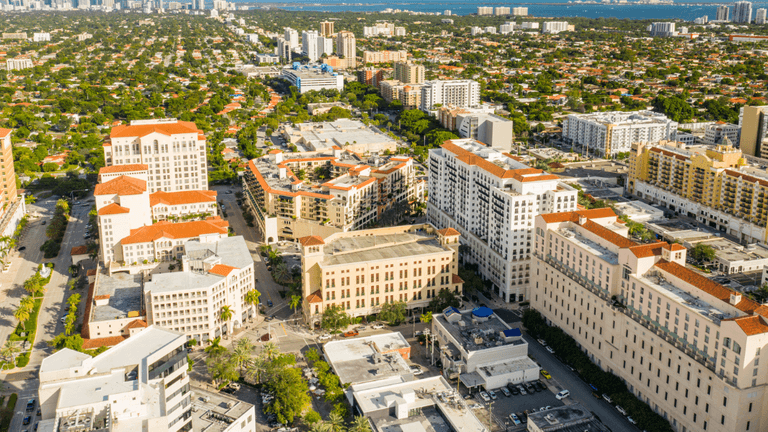
Miami Builds on World Cup Momentum as Tourism and Local Events Keep Summer Energy Alive

Miami’s summer tourism season continues to benefit from the momentum created by hosting matches during the 2026 FIFA World Cup, with hospitality, entertainment, and community organizations reporting continued activity as residents and visitors explore the city’s diverse attractions. While the tournament has concluded, its economic and cultural impact remains visible across South Florida as businesses capitalize on increased international attention.
Recent hospitality data indicate that Miami-Dade experienced one of the nation’s strongest gains in hotel performance during the World Cup period. Elevated room rates and revenue reflected exceptionally high visitor demand as thousands of international soccer fans traveled to the region, providing a significant boost for hotels, restaurants, transportation providers, and local retailers. Industry leaders say the tournament showcased Miami’s ability to host major global events while reinforcing its reputation as an international travel destination.
The continued economic activity is extending beyond the hospitality sector. Restaurants, entertainment venues, neighborhood businesses, and cultural institutions are benefiting from steady visitor traffic during what has traditionally been a quieter period of the summer tourism season. Business organizations continue evaluating the long-term effects of the World Cup, with many expecting the international exposure to support future tourism growth.
Community events are also helping maintain the city’s momentum. Throughout the weekend, Miami residents have access to a wide variety of cultural activities, including live music performances, comedy shows, art exhibitions, neighborhood festivals, literary gatherings, and outdoor community programs. These events highlight the city’s diverse cultural landscape while encouraging residents and visitors to explore neighborhoods throughout Miami-Dade County.
Among the entertainment highlights, rapper Rick Ross visited Miami’s independent music scene with an appearance at Sweat Records, drawing fans for a public signing connected to his latest album release. The event underscored the continued importance of locally owned venues in supporting artists while contributing to Miami’s reputation as one of the country’s leading music cities.
Local organizations are also expanding community outreach through educational and environmental initiatives. Miami-Dade County continues supporting neighborhood programs that encourage civic participation, environmental stewardship, and cultural engagement, providing residents with opportunities to participate in activities that extend beyond traditional tourism attractions.
The city’s economic outlook also reflects broader statewide growth. The Florida Chamber Foundation reports that Florida’s economy now ranks among the world’s largest if measured as an independent nation, highlighting the state’s continued expansion across industries including tourism, international trade, technology, healthcare, logistics, and financial services. Miami remains one of the principal drivers of that growth because of its role as a global business hub connecting North America, Latin America, and the Caribbean.
Despite positive tourism indicators, local residents continue monitoring rising living costs. Recent consumer data show that inflation in the Miami metropolitan area remains above the national average in several categories, while gasoline prices have increased during the busy summer travel season. These economic factors continue influencing household budgets even as visitor spending supports local businesses.
Public safety and consumer awareness also remain priorities. Local law enforcement agencies continue reminding residents to exercise caution when hiring contractors after authorities announced charges against an individual accused of operating a roofing fraud scheme in Miami-Dade County. Officials encourage homeowners to verify contractor licensing and credentials before making payments for home improvement projects.
For Miami, the current period reflects more than a successful tourism season. The city’s ability to host international events while maintaining an active calendar of neighborhood festivals, cultural programming, and business development initiatives continues to strengthen its standing as one of the nation’s most dynamic metropolitan areas.
As summer progresses, Miami’s combination of global visibility, community engagement, and economic resilience continues shaping the city’s outlook. From international visitors extending their stays to residents participating in local events and businesses benefiting from sustained activity, the post-World Cup period demonstrates how major sporting events can leave a lasting imprint that extends well beyond the final match.

Miami Highlight Contributor
Covers the local desk, reporting on the neighbourhoods, businesses, and people of greater Miami.
This article features partner, contributor, or branded content from a third party. Members of the Miami Highlight editorial staff were not involved in the creation of this content. All views and opinions are those of the contributor alone.
You May Also Like

Dr. Ahriana Platten On Why Menopause May Be...
Matthew Fornaro: South Florida Business Litigator
Hurricane Isaias Makes Landfall Near Destin, Bringing Dangerous...

South Florida Faces Flooding Concerns as Heavy Rain...
Teleplay Sureste: The Voice of Southeast Mexico