
Florida Advances Coastal Resilience Plan Following Severe Spring Flooding
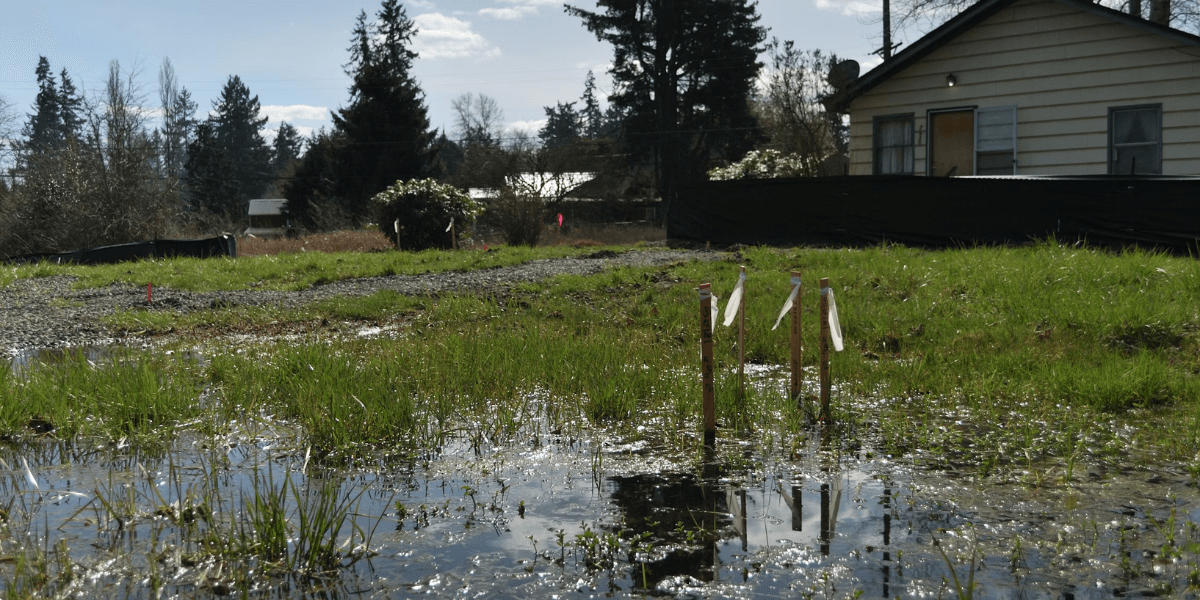
On April 9, 2026, Florida officials announced a major expansion of statewide coastal resilience efforts following a series of unusually intense spring storms that brought widespread flooding to parts of South Florida, including Miami-Dade and Broward counties. The coordinated response, involving state agencies, local governments, and environmental experts, marks one of the most significant infrastructure and climate adaptation initiatives in the region in recent years.
The announcement comes after several days of heavy rainfall combined with elevated tidal conditions, which contributed to localized flooding in low-lying neighborhoods across Miami. Streets in areas such as Brickell and Miami Beach experienced temporary closures, while drainage systems were pushed to capacity. Rainfall totals in parts of South Florida exceeded seasonal averages within a short period, increasing the risk of urban flooding and infrastructure strain.
In response, Florida’s Department of Environmental Protection confirmed the acceleration of multiple resilience projects designed to address both immediate recovery needs and long-term environmental challenges. These include upgrades to stormwater management systems, expansion of pump stations, and reinforcement of coastal barriers. Officials emphasized that the measures are intended not only to mitigate damage from future storms but also to strengthen the region’s ability to manage rising sea levels and extreme weather patterns.
Local authorities in Miami-Dade County have already begun assessing affected areas and prioritizing improvements. Engineers and city planners are focusing on neighborhoods most vulnerable to recurrent flooding, particularly those near the coastline or built on lower elevations. Early actions include clearing drainage canals, repairing damaged infrastructure, and evaluating the performance of recently installed flood mitigation systems.
Environmental specialists note that the convergence of heavy rainfall and high tides, often referred to as “compound flooding,” presents a growing challenge for coastal cities. In Miami, where porous limestone geology limits traditional drainage methods, managing water flow requires a combination of engineering innovation and strategic urban planning. Experts highlight that investments in green infrastructure, such as permeable surfaces and expanded green spaces, can play a key role in absorbing excess water and reducing runoff.
The state’s updated resilience framework also places emphasis on data-driven planning. Officials plan to incorporate advanced modeling tools and real-time monitoring systems to better predict flood risks and guide infrastructure investments. These tools allow for more precise identification of high-risk zones and enable faster response times during severe weather events.
Community engagement remains a central component of the initiative. Local governments are working to ensure residents are informed about flood preparedness measures, including property-level protections and emergency response protocols. Public awareness campaigns are expected to expand in the coming months, with a focus on practical steps residents can take to reduce risk during heavy rainfall events.
Business leaders in the region have also expressed support for the expanded resilience efforts, noting the economic importance of safeguarding infrastructure in one of the nation’s most active tourism and commercial hubs. Miami’s economy, heavily reliant on real estate, hospitality, and international trade, is particularly sensitive to disruptions caused by flooding and extreme weather.
While the immediate impacts of the recent storms are still being assessed, early estimates suggest that prompt response measures helped limit more severe damage. Emergency crews were deployed across affected areas to manage road closures, assist residents, and restore normal operations as quickly as possible. Power outages were minimal, and most major transportation routes were reopened within a short timeframe.
Looking ahead, officials stress that resilience planning will require sustained investment and collaboration across multiple sectors. The April 9 announcement represents a continuation of ongoing efforts but also signals a heightened urgency in addressing the challenges posed by changing environmental conditions.
Urban planners and environmental analysts agree that Florida’s approach could serve as a model for other coastal regions facing similar risks. By combining infrastructure upgrades with forward-looking planning strategies, the state aims to reduce vulnerability while maintaining economic stability and quality of life for residents.
The recent flooding events underscore the importance of preparedness and adaptability in rapidly growing coastal cities. As Miami and surrounding communities continue to evolve, balancing development with environmental resilience will remain a critical priority.

Miami Highlight Contributor
Covers the local desk, reporting on the neighbourhoods, businesses, and people of greater Miami.
This article features partner, contributor, or branded content from a third party. Members of the Miami Highlight editorial staff were not involved in the creation of this content. All views and opinions are those of the contributor alone.
You May Also Like

Where Every Child Belongs: Catherine Gibson’s Vision for...

Beatrice Deliperi: Innovation in U.S. Finance

Miami Hosts Free Benefit Concert Supporting Earthquake Relief...

Wall Street Rebounds as Technology Stocks Lead Market...
Crane Collapse in Miami’s Brickell Neighborhood Sends Four...