
Independence Day Celebrations Begin Across the U.S. as America Marks Its 250th Anniversary
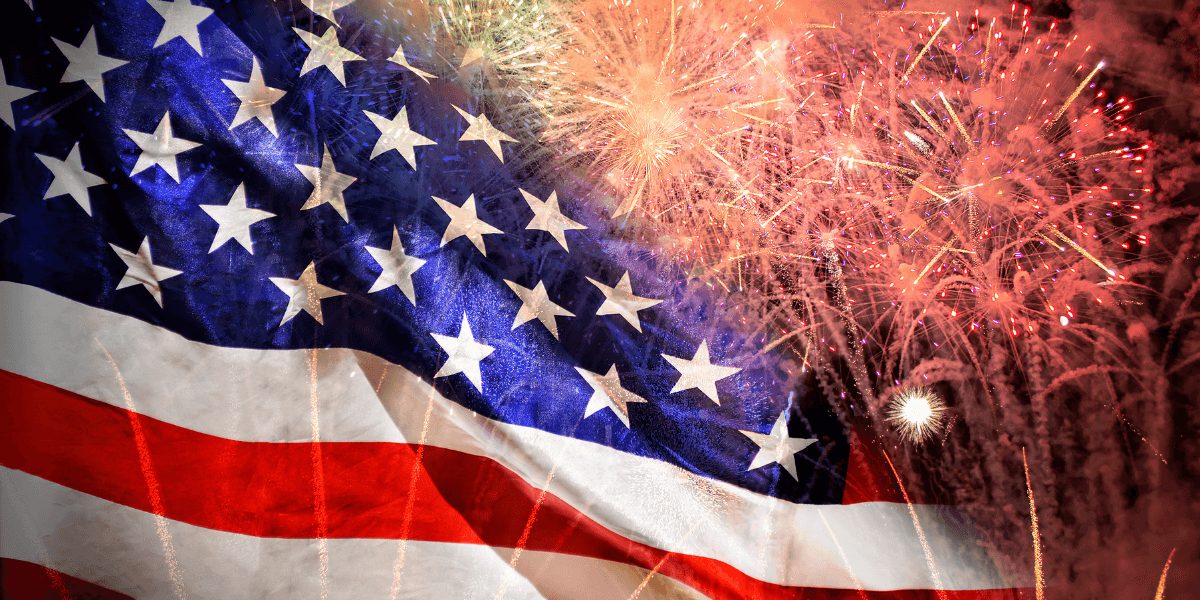
Communities across the United States launched the first wave of Independence Day celebrations on Friday, July 3, as millions of Americans prepared to commemorate the nation’s 250th anniversary. With the federal holiday observed on Friday because July 4 falls on a Saturday, cities from coast to coast hosted concerts, fireworks displays, festivals, and patriotic ceremonies marking one of the most significant milestones in American history.
The start of the holiday weekend drew large crowds to public parks, waterfronts, and entertainment venues, with local governments and event organizers expanding programming to recognize the country’s semiquincentennial. The celebration is expected to be among the largest nationwide observances in decades, combining traditional Fourth of July festivities with special events commemorating 250 years since the adoption of the Declaration of Independence.
In New York City, preparations intensified for the weeklong Sail4th 250 celebration, featuring one of the largest gatherings of international tall ships ever assembled in the Port of New York and New Jersey. The event includes maritime exhibitions, public ship tours, cultural performances, and military demonstrations designed to highlight the nation’s maritime history and international partnerships. Organizers estimate that millions of visitors will participate in activities throughout the celebration.
Across the country, municipalities organized concerts, historical reenactments, museum exhibits, community parades, and family-friendly festivals. Many communities incorporated educational programming about the nation’s founding, giving residents and visitors opportunities to explore local history while participating in traditional holiday events.
Florida also joined the nationwide celebration with cities including Miami, Fort Lauderdale, Tampa, Jacksonville, and Orlando preparing extensive Independence Day festivities. Local governments coordinated fireworks displays, waterfront concerts, food festivals, and family activities expected to attract both residents and tourists during one of the busiest travel weekends of the summer.
For South Florida, the holiday weekend represents an important period for the tourism industry. Hotels, restaurants, beaches, and entertainment districts typically experience increased visitor activity as travelers extend their vacations around the federal holiday. Local businesses anticipated strong customer traffic throughout the weekend as families gathered to celebrate.
Entertainment programming likewise expanded nationwide. Television networks scheduled live patriotic concerts, historical documentaries, and special broadcasts recognizing America’s 250th anniversary. One of the featured national broadcasts was CNN’s “Independence Eve Live,” hosted by Anderson Cooper and Andy Cohen from Times Square. The special program celebrated American culture, featured musical performances, and highlighted stories of community leaders, first responders, veterans, and other individuals representing diverse contributions to the nation’s history.
While festivities continued, organizers also adapted to unusually high temperatures affecting much of the eastern United States. Several outdoor events adjusted schedules, added hydration stations, increased shaded seating areas, and expanded medical support to help visitors safely enjoy celebrations during the ongoing heat wave. Emergency management agencies encouraged attendees to drink plenty of water, wear lightweight clothing, and seek shade whenever possible.
Public safety agencies nationwide coordinated additional staffing throughout the holiday period. Police departments, fire rescue personnel, emergency medical teams, and transportation agencies worked together to manage increased travel volumes and large public gatherings. Officials reminded residents to follow local fireworks regulations, remain aware of weather conditions, and report emergencies promptly.
Travel demand also remained exceptionally strong. Airports, highways, and rail systems experienced heavy passenger volumes as millions of Americans traveled to celebrate with family and friends. Transportation officials encouraged travelers to allow extra time, monitor weather forecasts, and remain patient during peak travel periods.
Cultural institutions took advantage of the historic anniversary by presenting exhibits focused on American history, innovation, and civic life. Museums, libraries, and historical societies hosted special programming designed to educate visitors about the country’s founding while encouraging reflection on its continuing development over the past two and a half centuries.
The entertainment industry also recognized the milestone through concerts, community performances, and themed productions celebrating American music and culture. Public parks transformed into gathering places where families enjoyed live performances before evening fireworks displays, continuing traditions that have become synonymous with Independence Day celebrations.
For many communities, the observance extended beyond entertainment. Volunteer organizations hosted food drives, veterans’ recognition ceremonies, charity races, and community service projects, reinforcing themes of civic engagement and neighborhood participation that accompany the holiday.
As evening approached on July 3, anticipation grew for the main Independence Day celebrations scheduled for the following day. Fireworks crews completed final safety inspections, performers rehearsed for major concerts, and local officials finalized preparations for some of the country’s largest public events.
The opening day of the holiday weekend demonstrated both the scale and significance of America’s 250th anniversary celebration. From historic waterfronts and city parks to beaches and community squares, millions of Americans came together to celebrate the nation’s history while participating in traditions that continue to unite communities across the country.
With additional festivities planned for July 4, the semiquincentennial observance is expected to remain one of the defining national events of 2026, blending history, entertainment, and civic celebration in communities large and small throughout the United States.

Miami Highlight Contributor
Covers entertainment and sport, following the performers and teams that define the city's weekends.
This article features partner, contributor, or branded content from a third party. Members of the Miami Highlight editorial staff were not involved in the creation of this content. All views and opinions are those of the contributor alone.
You May Also Like

Atlantic Health Strategies: Modernizing Behavioral Health Through Purpose-Built...

Miami Dolphins Lose Star Running Back De'Von Achane...
Miami Hurricanes Dominate Central Michigan 52-3 at Hard...

Meet the Pharmacist-Formulated Body Care Brand Growing in...

Cubs Clinch Playoff Berth in Miami as Pete...