
The Real Cost of FDA Delays: Why Most International Shipments Get Stuck Before They Even Arrive
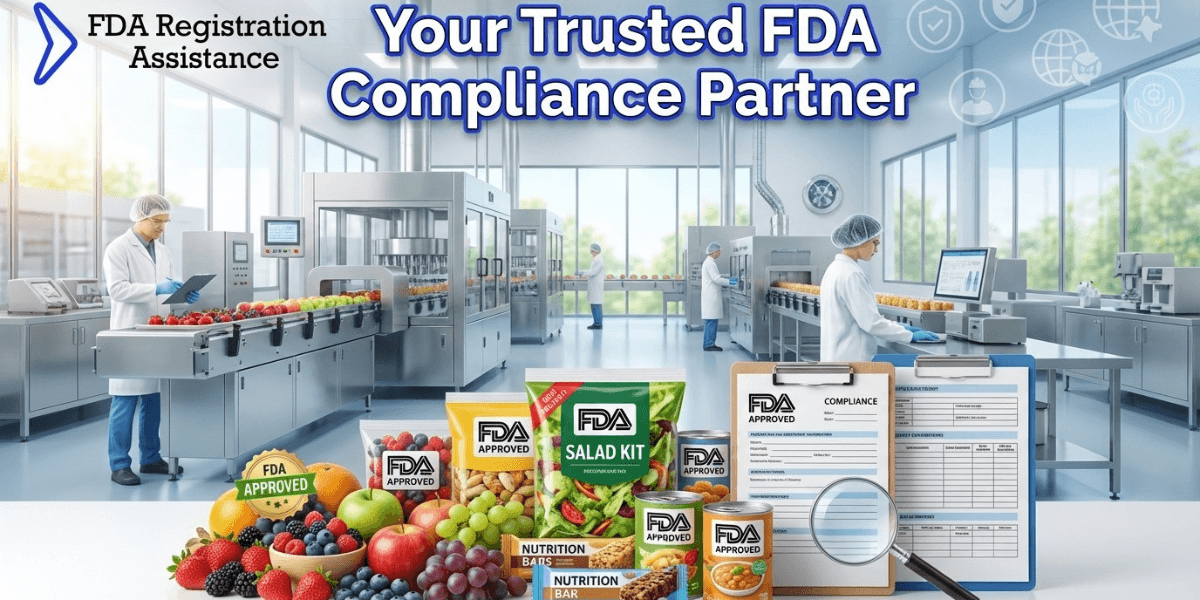
Avoid costly FDA delays by fixing compliance before shipment, not after your products hit the border.
Most companies think FDA problems begin at the U.S. border.
In reality, they start long before a shipment leaves the factory.
Every year, thousands of international businesses lose time, money, and distribution opportunities because of one simple mistake: assuming FDA compliance is something to “fix later.”
By the time a shipment is flagged, detained, or placed on hold, the damage is already in motion, missed sales windows, storage fees, rejected distributors, and in some cases, full product returns.
FDA Registration Assistance was built around a different idea: compliance is not paperwork at the end of the process, it is strategy at the beginning.
And that shift in mindset is where companies either scale into the U.S. market successfully or get stuck at the port.
The Invisible Bottleneck Most Companies Don’t See
For many exporters, the supply chain feels complete once production is finished:
Manufacture → Pack → Ship → Sell in the U.S.
But FDA-regulated products don’t follow that simple path.
Food, dietary supplements, cosmetics, medical devices, and pharmaceuticals all require regulatory alignment before shipping. When that alignment is missing, shipments don’t just slow down, they stop completely.
The most common bottlenecks include:
- Missing or incorrect FDA facility registration
- Improper or incomplete labeling formats
- Incorrect U.S. agent designation
- Failure to meet import verification requirements
- Inconsistent product classification under FDA categories
The frustrating part? Many of these issues are not obvious to the manufacturer.
A label might look perfect locally but still fail FDA formatting rules. A supplier verification step might be missing even if everything else is compliant. A product category misunderstanding can change the entire regulatory pathway.
In other words, the shipment looks ready, but the system disagrees.
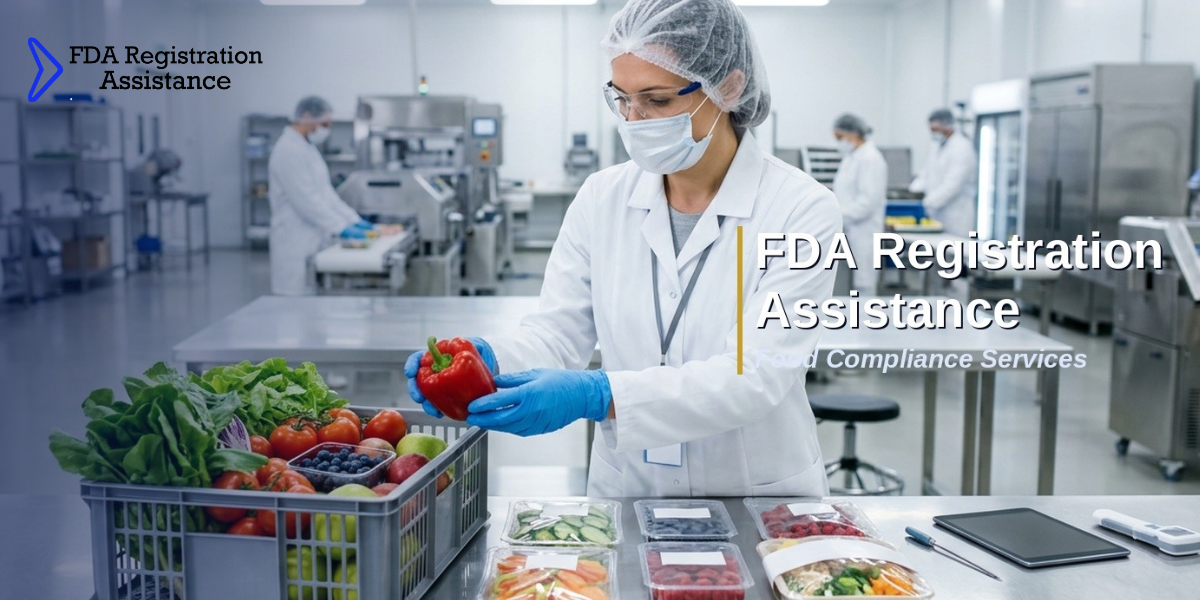
One of the most misunderstood realities of FDA enforcement is this: product quality is not the same as regulatory compliance.
A high-quality product can still be detained at the border.
That’s because FDA review is not based on how well a product is made, it’s based on whether the correct documentation, labeling, and registration steps were completed in advance.
Common scenarios include:
A dietary supplement manufactured under strict quality control gets held because its label structure doesn’t meet U.S. requirements.
A cosmetic product passes all internal testing but fails due to missing ingredient declarations in the correct format.
A food shipment is delayed because the facility registration wasn’t properly updated or linked to the importer.
None of these issues are related to product performance. They are administrative, procedural, and preventable.
Yet they cost companies real money, every single day the shipment is delayed.
The Hidden Risk: Timing Mistakes in Compliance
Most international companies treat FDA compliance as a final checkpoint.
But FDA systems operate on pre-clearance logic, not post-shipment correction.
That means compliance must be correct before export, not during inspection.
The timing mistake usually looks like this:
- Product is developed and manufactured
- Packaging is finalized
- Shipment is booked
- Compliance review happens (too late)
- Issues are discovered at or near port entry
At this stage, companies are forced into emergency corrections, redesigning labels, resubmitting documents, or even rerouting shipments back to origin.
This reactive approach is where most financial losses happen.
The smarter approach is preventative: building compliance into production planning, not shipment reaction.
From Firefighting to Prevention: A Different Compliance Model
FDA Registration Assistance focuses on a prevention-first model.
Instead of waiting for problems at customs, companies are guided through compliance readiness before export decisions are finalized.
This includes:
- Pre-shipment regulatory screening
- Label structure validation for U.S. standards
- Correct product classification mapping
- Importer requirement verification
- Facility registration accuracy checks
- Risk identification before shipping logistics begin
The goal is not just to “pass FDA requirements,” but to eliminate the conditions that create delays in the first place.
Because once a shipment is flagged, resolution is always more expensive than prevention.
The Real Cost of Getting It Wrong
FDA-related delays are not just regulatory issues, they are business disruptions.
When a shipment is held, companies often face:
- Warehouse storage fees in the U.S.
- Missed retail distribution deadlines
- Lost shelf placement opportunities
- Contract penalties from distributors
- Reputation damage with buyers
- Cash flow interruptions
And perhaps the most overlooked cost: opportunity loss.
A delayed product in a seasonal market (like supplements, cosmetics, or food products) may miss its entire sales window.
In many cases, the shipment eventually clears, but the market opportunity does not return.
Why Complexity Is Increasing, Not Decreasing
Global trade expansion has made FDA compliance more important, not less.
More suppliers. More product categories. More cross-border distribution networks.
At the same time, regulatory scrutiny has increased across all FDA-regulated sectors.
This means companies are now operating in a system where:
- Documentation must be more precise
- Supply chain transparency is required
- Importer responsibilities are more strictly enforced
- Product labeling must meet stricter formatting standards
The margin for error is shrinking.
And companies relying on outdated compliance assumptions are the most at risk.
The Shift Smart Companies Are Making
The most successful international exporters share one key behavior:
They treat compliance as part of market entry strategy, not a legal hurdle at the end.
Instead of asking, “Can we ship this product?”
They ask:
- “Is this product ready for U.S. regulatory expectations?”
- “What could stop this shipment before it clears customs?”
- “Have we validated every requirement before production scale?”
This shift changes outcomes dramatically.
Fewer delays. Faster approvals. More predictable U.S. expansion.
Building Confidence Before the Shipment Leaves
FDA Registration Assistance continues working with companies across multiple industries to close the gap between production and compliance readiness.
The focus is not just on registration or documentation, it’s on preventing the scenarios that lead to shipment failure in the first place.
Because in FDA-regulated trade, success is not determined at the border.
It is determined much earlier, in the decisions made before the product ever ships.
And companies that understand this early don’t just avoid problems.
They scale faster, enter markets smoother, and operate with far fewer disruptions.
For companies seeking to navigate FDA regulations with greater confidence and clarity, additional information about FDA Registration Assistance and its compliance services can be found at FDA Registration Assistance website.
Follow FDA Registration Assistance on:
Facebook
X
Instagram
YouTube

Miami Highlight Contributor
Covers the local desk, reporting on the neighbourhoods, businesses, and people of greater Miami.
This article features partner, contributor, or branded content from a third party. Members of the Miami Highlight editorial staff were not involved in the creation of this content. All views and opinions are those of the contributor alone.
You May Also Like

Dr. Ahriana Platten On Why Menopause May Be...
Matthew Fornaro: South Florida Business Litigator

Hurricane Isaias Makes Landfall Near Destin, Bringing Dangerous...

South Florida Faces Flooding Concerns as Heavy Rain...

Teleplay Sureste: The Voice of Southeast Mexico