
Sun’s Powerful Solar Flares on February 1–2, 2026 Could Affect Earth’s Space Weather
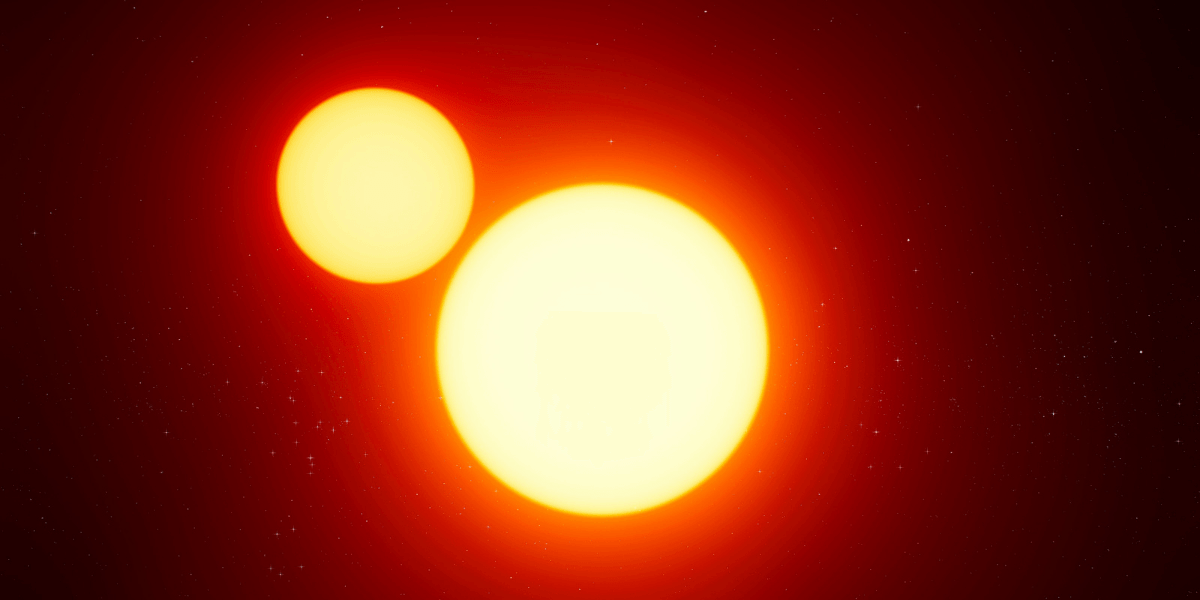
On February 1 and 2, 2026, the Sun erupted with an unusually intense series of solar flares, including some of the strongest observed so far during the current solar cycle. These solar eruptions — powerful bursts of energy and charged particles from the Sun’s surface — have drawn close monitoring by space weather scientists in the United States and around the world because of their potential to impact Earth’s near-space environment.
What Happened on the Sun
Solar flares are classified by strength, with X-class flares representing the most energetic events that the Sun can produce. Between February 1 and 2, a particularly active sunspot region, known as AR4366, unleashed multiple strong flares, including an X8.3-class flare — the most powerful recorded so far in 2026.
The heightened activity stems from this large and complex sunspot cluster rotating into a position facing Earth. As the region grows and its magnetic fields become more unstable, it has generated a sustained eruption sequence — sending high-energy X-rays and ultraviolet radiation streaming outward. These emissions can reach Earth’s upper atmosphere within minutes of the flare.
According to scientists at NOAA’s Space Weather Prediction Center (SWPC) — the official U.S. agency responsible for forecasting space weather — the flares have already caused measurable effects in Earth’s upper atmosphere and are likely to continue producing active conditions in the coming days.
Why Scientists and Public Agencies Are Monitoring This Activity
Space weather experts emphasize that solar flares and related phenomena like coronal mass ejections (CMEs) have important implications for both technology and daily life — particularly for systems that depend on satellites or radio communications. When flares hit Earth’s upper atmosphere, they can ionize it, altering how radio waves travel and occasionally interrupting high-frequency (HF) radio communications for aircraft, emergency responders, and maritime services.
In some cases, especially when associated with CMEs — massive clouds of charged particles expelled from the Sun — geomagnetic storms can also temporarily disturb GPS signals, affect satellite operations, and induce electrical currents that stress power grid infrastructure. While not all flares launch CMEs in Earth’s direction, scientists track these events because even a partial impact can trigger effects at high latitudes.
The SWPC forecast data shows a continued likelihood of minor-to-moderate solar radio blackouts and related activity over the next several days, driven by the flares’ ongoing energy release and the potential for further eruptions from AR4366.
Potential Effects on Earth
Although solar flares do not directly affect weather on Earth’s surface, they interact with the planet’s magnetic field and upper atmosphere. Some of the key effects space weather forecasters are watching include:
Radio and navigation signal disturbances: Enhanced ionization can weaken or disrupt HF radio and GNSS (Global Navigation Satellite System) signals, particularly on the daytime side of the globe.
Satellite operations and space assets: Increased particle flux can affect satellite electronics and orbital drag, necessitating operational adjustments for communications and Earth-observation systems.
Aurora displays: When charged solar particles interact with Earth’s magnetic field, they can stimulate colorful auroras (“northern lights”) at high latitudes. With a series of flares and possible CMEs approaching, scientists indicate that aurora activity could increase this week — especially around February 5, if the CME arrives as projected.
Indeed, forecasters suggest that the recent X-class flares have already primed conditions in Earth’s magnetic environment for possible auroral sightings at mid-northern latitudes later this week, depending on how solar material interacts with the planet’s magnetic field.
Understanding Solar Activity and Cycles
The Sun operates on approximately an 11-year sunspot cycle, alternating between periods of high and low activity. The current period — known as solar maximum — is when sunspots, flares, and associated eruptions occur most frequently. During solar maximum, scientists expect more frequent bursts of energy like those seen in late January and early February 2026.
NASA’s continuous monitoring of the Sun, in partnership with NOAA and other international space agencies, helps scientists track active regions like AR4366 and predict their impacts. Instruments on spacecraft such as the Solar Dynamics Observatory (SDO) provide real-time data that feed into forecasts used by industries and public services reliant on precise space weather models.
Key Takeaways for the Public
For residents and businesses in the United States and elsewhere, this solar activity mainly underscores the importance of continued monitoring rather than immediate concern:
Technology systems may experience brief disturbances, notably affecting HF radio and satellite navigation.
Aurora sightings may become more likely in higher latitudes, offering a visual reminder of the Sun’s influence on Earth’s magnetic environment.
Space weather forecasting agencies like NOAA SWPC provide regular updates to help government, aviation, maritime, and power grid operators manage space weather risks.
As scientists continue to monitor the Sun’s activity, this episode highlights how dynamic our nearest star can be — and how modern technology and forecasting systems work together to keep society prepared for space-weather effects.

Miami Highlight Contributor
Covers entertainment and sport, following the performers and teams that define the city's weekends.
This article features partner, contributor, or branded content from a third party. Members of the Miami Highlight editorial staff were not involved in the creation of this content. All views and opinions are those of the contributor alone.
You May Also Like

Where Every Child Belongs: Catherine Gibson’s Vision for...
Beatrice Deliperi: Innovation in U.S. Finance

Miami Hosts Free Benefit Concert Supporting Earthquake Relief...

Wall Street Rebounds as Technology Stocks Lead Market...
Crane Collapse in Miami’s Brickell Neighborhood Sends Four...