
National Hurricane Center Tracks Two Tropical Systems as Atlantic Activity Increases
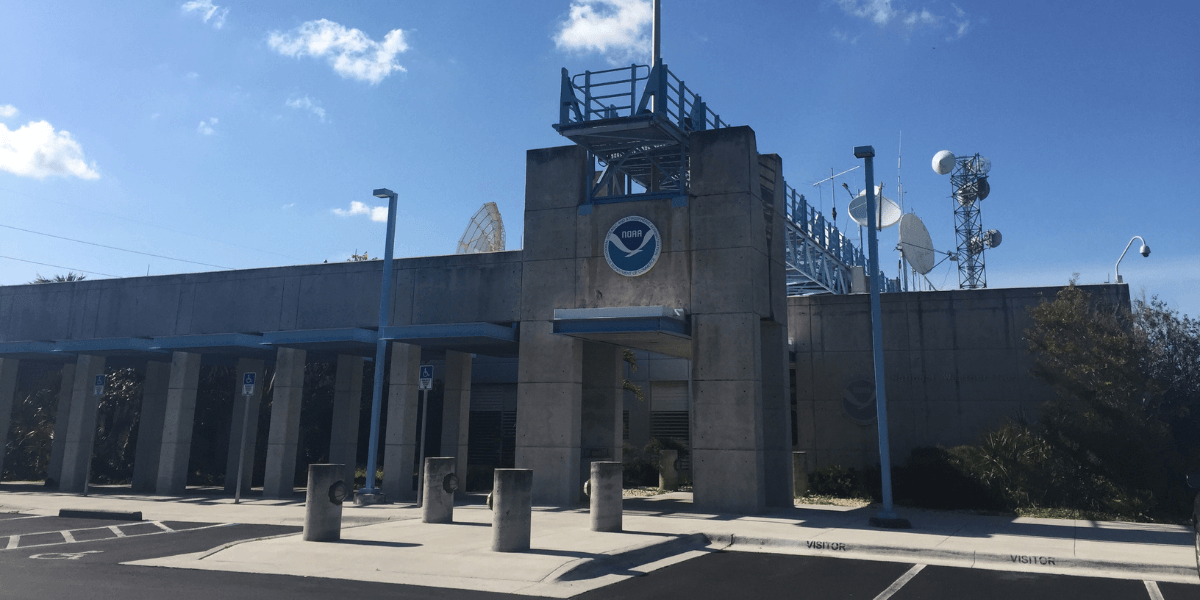
The National Hurricane Center in Miami was monitoring two tropical systems in the Atlantic basin Tuesday as forecasters tracked an increasingly active stretch of the 2026 hurricane season.
One system, Tropical Storm Iselle, was already a named storm west of Mexico's Baja California peninsula, while Tropical Storm Julio was expected to be absorbed by Iselle. A separate disturbance farther east in the Atlantic was also being monitored for possible development. The situation placed the National Hurricane Center at the center of another period of heightened tropical-weather surveillance.
Although neither Iselle nor Julio posed an immediate threat to Florida, the activity was significant for South Florida because the National Hurricane Center is responsible for monitoring tropical systems across the Atlantic basin and issuing official forecasts for the United States.
Two storms interact in the Pacific
As of Tuesday, Tropical Storm Julio had maximum sustained winds of about 50 mph and was located hundreds of miles southwest of Baja California.
Tropical Storm Iselle was stronger, with sustained winds of approximately 70 mph.
Forecasters expected Julio to be absorbed by the larger and stronger Iselle during the day.
The interaction was an example of how tropical systems can influence one another.
When two storms move relatively close together, their circulation patterns can interact. In some situations, a stronger storm can absorb a weaker system rather than the two becoming a single stronger hurricane.
No immediate Florida threat
The most important information for Florida residents was that the systems being monitored were not producing coastal watches or warnings for Florida.
The National Hurricane Center reported no active coastal watches or warnings associated with Iselle or Julio.
That distinction is important because tropical activity in the Atlantic basin does not automatically translate into a threat to Florida.
Storms can weaken, change direction, merge with other systems or remain far from the continental United States.
The National Hurricane Center's monitoring role allows officials and residents to follow those developments before a system potentially becomes a direct threat.
Another disturbance draws attention
While Iselle and Julio were in the Pacific, forecasters were also watching another tropical disturbance over the Atlantic.
The developing system was located south of the Cabo Verde Islands and had the potential to become the next named Atlantic tropical storm if it strengthened sufficiently. The next name on the Atlantic naming list was Dolly.
The naming situation attracted unusual public attention because country music icon Dolly Parton died Tuesday.
However, the storm name was unrelated to Parton's death.
Tropical cyclone names are selected years in advance under an established naming system and are not chosen in response to current events.
Hurricane season remains active
The developments came during the Atlantic hurricane season, which traditionally runs from June through November.
NOAA's seasonal outlook had called for a below-average season, with expectations for eight to 14 named storms and up to three major hurricanes.
Seasonal forecasts, however, describe overall atmospheric conditions rather than determining the outcome of individual storms.
A below-average season can still produce dangerous hurricanes.
For Florida, that means residents and emergency officials must continue monitoring individual forecasts rather than relying solely on the seasonal outlook.
Why Miami plays an important role
The National Hurricane Center's location in Miami makes South Florida an important center for tropical-weather forecasting.
Forecasters monitor satellite imagery, aircraft observations, computer models and other meteorological information to determine the location and strength of tropical systems.
Their forecasts are used by emergency managers, transportation authorities, airlines, businesses and residents.
That makes developments hundreds or thousands of miles away relevant to Florida.
A storm that initially appears to be no threat can change course or intensity, while another system may develop unexpectedly.
Preparation remains important
The presence of multiple tropical systems also serves as a reminder that hurricane preparation is a continuing process.
Florida residents routinely face risks from high winds, flooding, storm surge and heavy rainfall during tropical systems.
Preparation is particularly important for coastal communities and areas vulnerable to flooding.
Even when a particular storm does not threaten Florida, monitoring official forecasts helps residents distinguish between ordinary tropical activity and situations requiring action.
Why the development matters
Tuesday's tropical activity was significant because multiple systems were being monitored simultaneously across the broader Atlantic and Pacific basins.
For Florida, there was no immediate threat from Iselle or Julio, and no coastal watches or warnings were in effect for those systems.
The more important development was the continued need for close monitoring as the hurricane season progressed.
The National Hurricane Center's work provided the information necessary for communities to understand whether distant tropical systems could eventually affect the United States.
For South Florida residents, the day's message was one of vigilance rather than alarm: tropical activity was increasing, but the systems being tracked did not represent an immediate Florida threat.

Miami Highlight Contributor
Covers politics, statewide affairs, and long-form investigations across Florida.
This article features partner, contributor, or branded content from a third party. Members of the Miami Highlight editorial staff were not involved in the creation of this content. All views and opinions are those of the contributor alone.
You May Also Like
Matthew Fornaro: South Florida Business Litigator

Teleplay Sureste: The Voice of Southeast Mexico
Atlantic Health Strategies: Modernizing Behavioral Health Through Purpose-Built...

South Florida Begins October With Heavy Rain, Flooding...

Ken Griffin Gives $3 Billion to Carnegie Mellon...