
Miami Emerges as a Global Gathering Point as FIFA World Cup 2026 Enters Its Next Phase
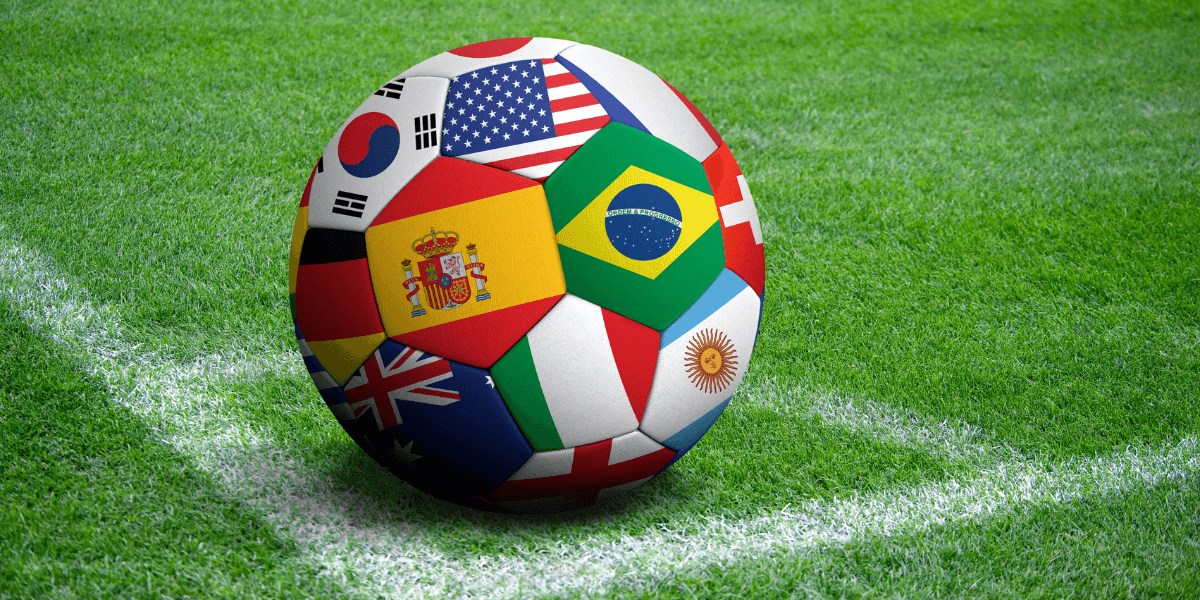
Miami continued to experience the impact of one of the world’s largest sporting events on June 18, 2026, as the FIFA World Cup entered a new phase of group-stage competition across North America. While matches were being played in multiple host cities throughout the United States, Canada, and Mexico, South Florida remained one of the tournament’s most active destinations for fans, visitors, and international media.
The 2026 FIFA World Cup is historic in both size and scope. It is the first tournament to feature 48 national teams and the first to be jointly hosted by three countries. The United States is hosting the majority of matches, and Miami has become one of the most visible host locations due to its international population, strong soccer culture, and role as a gateway between North America, Latin America, and the Caribbean.
As the tournament moved into its second round of group-stage matches on June 18, fan activity intensified throughout the Miami area. Public viewing events, fan festivals, and soccer-themed celebrations attracted residents and visitors alike, contributing to a vibrant atmosphere across the region.
World Cup Activity Expands Across South Florida
One of the most visible signs of the tournament’s impact has been the growth of fan-centered events throughout Miami-Dade County. The official FIFA Fan Festival in downtown Miami has become a major gathering place, providing opportunities for supporters to watch matches, participate in interactive activities, and celebrate the tournament alongside fans from around the world.
The festival has featured large viewing screens, entertainment stages, cultural programming, food vendors, and soccer-related attractions. Organizers expected the event to operate throughout much of the tournament, creating a central destination for both residents and tourists.
Public watch parties and community celebrations have also emerged throughout the region. Local venues, cultural organizations, and businesses have embraced the tournament by hosting viewing events that bring together supporters representing many different nations.
For Miami, a city known for its international diversity, the World Cup has provided a unique opportunity to showcase its multicultural identity on a global stage.
International Visitors Drive Tourism Activity
Tourism has been one of the most noticeable beneficiaries of the tournament. Hotels, restaurants, transportation providers, and entertainment venues have reported increased activity as visitors travel to South Florida for World Cup-related events.
The tournament’s international reach has drawn visitors from across Europe, Latin America, Africa, Asia, and the Middle East. Many fans are combining soccer-related travel with broader tourism experiences, exploring beaches, cultural attractions, shopping districts, and entertainment venues throughout Miami and neighboring communities.
Industry analysts have long recognized major sporting events as important drivers of visitor spending. While the full economic impact of the World Cup will be assessed after the tournament concludes, local businesses are already benefiting from increased foot traffic and visitor engagement.
Transportation providers have also prepared for increased demand. Rail services, ride-share operators, and local transit agencies have worked to accommodate higher volumes of travelers moving throughout the region during the event.
Soccer’s Growing Influence in the United States
The World Cup arrives during a period of significant growth for soccer in the United States. Professional leagues have experienced increasing attendance, youth participation remains strong, and international competitions continue attracting larger audiences.
Miami has played an important role in that growth. The city’s deep connections to soccer cultures from around the world have helped establish it as one of the sport’s most enthusiastic markets in the country.
The World Cup has amplified that enthusiasm. Fans have gathered in large numbers to support their national teams, creating an atmosphere more commonly associated with traditional soccer strongholds around the globe.
For younger players and aspiring athletes, the tournament provides an opportunity to watch elite international competition while experiencing the excitement of a global sporting event firsthand.
Cultural Exchange Beyond the Matches
While competition on the field remains the centerpiece of the World Cup, the event’s influence extends far beyond sports. One of the tournament’s most important contributions is its ability to bring together people from different cultures through a shared experience.
In Miami, that cultural exchange has been visible throughout the city. Supporters from different countries have gathered in public spaces, restaurants, parks, and event venues to celebrate their teams and interact with fellow fans.
Community organizations have also embraced the opportunity to host cultural events highlighting music, food, traditions, and heritage from participating nations. These activities help strengthen connections between visitors and local residents while reinforcing Miami’s reputation as an international city.
The result has been an atmosphere that reflects the global nature of both the World Cup and South Florida itself.
Looking Ahead
As the tournament continued on June 18, attention remained focused on upcoming group-stage matches and the race to secure places in the knockout rounds. With every result carrying greater significance, excitement surrounding the competition is expected to continue growing throughout the coming weeks.
For Miami, the World Cup represents more than a sporting event. It serves as an opportunity to showcase the city’s culture, hospitality, tourism infrastructure, and international character to a worldwide audience.
The tournament has already brought increased visibility and economic activity to South Florida while creating memorable experiences for residents and visitors alike. As the competition progresses, Miami’s role as one of the event’s most dynamic host destinations is likely to remain firmly in the spotlight.
The FIFA World Cup 2026 continues to be one of the defining stories of the year, and Miami remains at the heart of the action.

Miami Highlight Contributor
Covers entertainment and sport, following the performers and teams that define the city's weekends.
This article features partner, contributor, or branded content from a third party. Members of the Miami Highlight editorial staff were not involved in the creation of this content. All views and opinions are those of the contributor alone.
You May Also Like

Meet the Pharmacist-Formulated Body Care Brand Growing in...

Where Every Child Belongs: Catherine Gibson’s Vision for...

AutoNation Commits $1 Million to Cancer Research and...

Citadel Miami Headquarters Construction Halted After Drill Rig...

Beatrice Deliperi: Innovation in U.S. Finance