
How Sensory Interiors Designs for Calm

Sensory Interiors creates sensory-informed interior design for neurodivergent individuals, families, clinics, and wellness spaces nationwide.
The shift began not with a trend, but with a realization. After years in high-end residential design, Lily Riefkohl saw a gap that traditional interiors too often ignored. Beautiful rooms could still feel overwhelming. A therapy center could be functional on paper yet chaotic in practice. A family home could be well furnished and still leave a child overstimulated by light, sound, color, or layout. That tension became the foundation of Sensory Interiors, a South Florida studio built on a simple but powerful belief: design should support the nervous system, not fight against it. In 2026, that mission feels more relevant than ever.
Why Sensory Interiors Began
Sensory Interiors was founded by Lily Riefkohl, Founder and Principal Designer, whose academic path includes a bachelor’s degree in Environmental Design, a Master in Architecture, and a Master in Interior Design. Yet credentials alone do not explain the studio’s direction. Lily also brings personal insight through her experience with ADHD, along with more than a decade of studying how the built environment shapes emotion, behavior, and well-being.
That combination of formal training and lived understanding led her toward a specialized field that remains underserved: sensory-informed interior design for neurodivergent individuals, families, and therapeutic settings. Rather than treating design as surface decoration, Sensory Interiors approaches it as an active part of daily life. Lighting, acoustics, textures, circulation, and color are not secondary details. They are tools that can either increase stress or create a sense of calm.
As Lily puts it, “Spaces should support the people inside them. They should help children thrive, help families feel grounded, help clinicians work more effectively, and help every individual feel understood by the world around them.” That principle has shaped every stage of the business.
From Luxury Design to Therapeutic Impact
Before founding Sensory Interiors, Lily worked in high-end residential design. It was rigorous, polished work, but over time she found herself drawn to a deeper question: what if a space could do more than impress? What if it could help someone regulate, focus, rest, and feel safe?
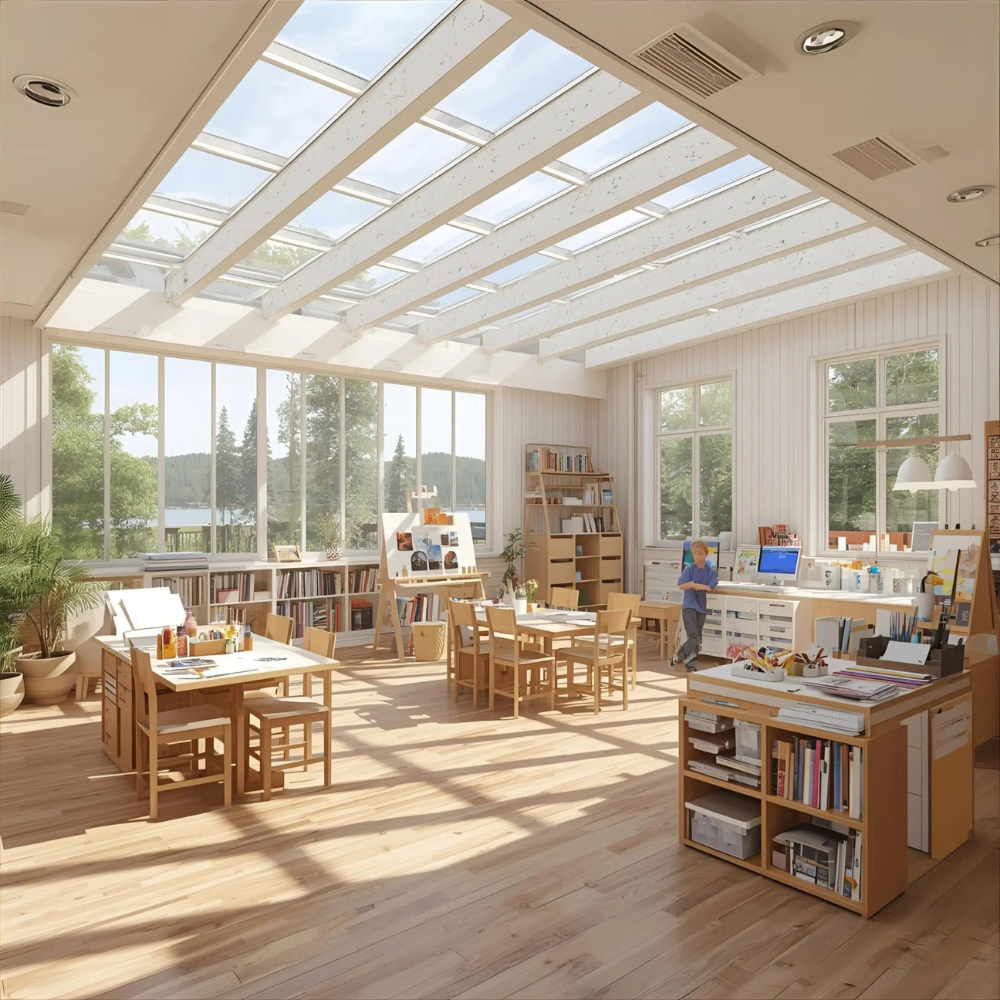
That question led her into therapeutic environments, where she discovered the life-changing effect of thoughtful design. Over the years, Lily has designed more than thirty-five ABA therapy clinics across the United States. In that work, she collaborated closely with Clinical Directors, BCBAs, RBTs, therapists, and caregivers to understand how physical surroundings affect engagement, comfort, and daily routines.
The lessons were practical and immediate. Harsh lighting could agitate. Excessive visual stimulation could be distracting. Poor acoustics could heighten overwhelm. Meanwhile, measured changes in color palette, spatial flow, storage, sound control, and retreat areas could help transform a setting from stressful to supportive. Sensory-informed interior design was not abstract theory. It was visible in the way children entered a room, the way staff moved through a clinic, and the way families experienced relief.
What Makes Sensory Interiors Different
Many design firms promise beauty and function. Sensory Interiors adds another layer that is often missing: regulation. The studio specializes in environments for autism, sensory processing differences, and broader neurodivergent needs, serving homes, clinics, schools, medical offices, and wellness spaces. Based in Fort Lauderdale and serving Miami, Boca Raton, and West Palm Beach, the firm also works with clients nationwide through virtual services.
Its distinction lies in both focus and process. Sensory Interiors does not apply a one-size-fits-all formula or rely on trends. Instead, the work begins by understanding how a person experiences sensory input. From there, design decisions are tailored to support comfort, dignity, and daily function.
This is where Lily’s background in design psychology becomes especially important. She understands that a room can influence behavior long before anyone speaks. A thoughtful layout can reduce friction. A quieter corner can offer relief without isolation. Softer materials and calmer hues can encourage rest. These choices may seem modest, but together they can change the emotional tone of a home, clinic, or classroom.
A parent testimonial captures that impact clearly: “Working with Lily was a game-changer for our family. She provided us with a comprehensive plan for our home, guiding us on what to keep, what to eliminate, and what to purchase. The sensory design techniques she implemented have truly helped our child thrive at home.”
The Turning Point in the Work
One clinic project illustrates the kind of transformation Sensory Interiors is known for, without revealing confidential details. The children’s therapy center was visually intense, filled with primary colors and lacking key elements for storage, safety, and comfort. The layout could not be changed because the clinic remained active, so Lily focused on interventions that could still make a meaningful difference.
She introduced calming colors, selected durable performance fabrics, upgraded the lighting to dimmable LED options, and created a sensory room tailored to the needs of the children using the space. She also improved safety with monitored entry and exit points, delayed emergency door openings with audible alerts, access controls, and protective features that reduced the risk of injury.
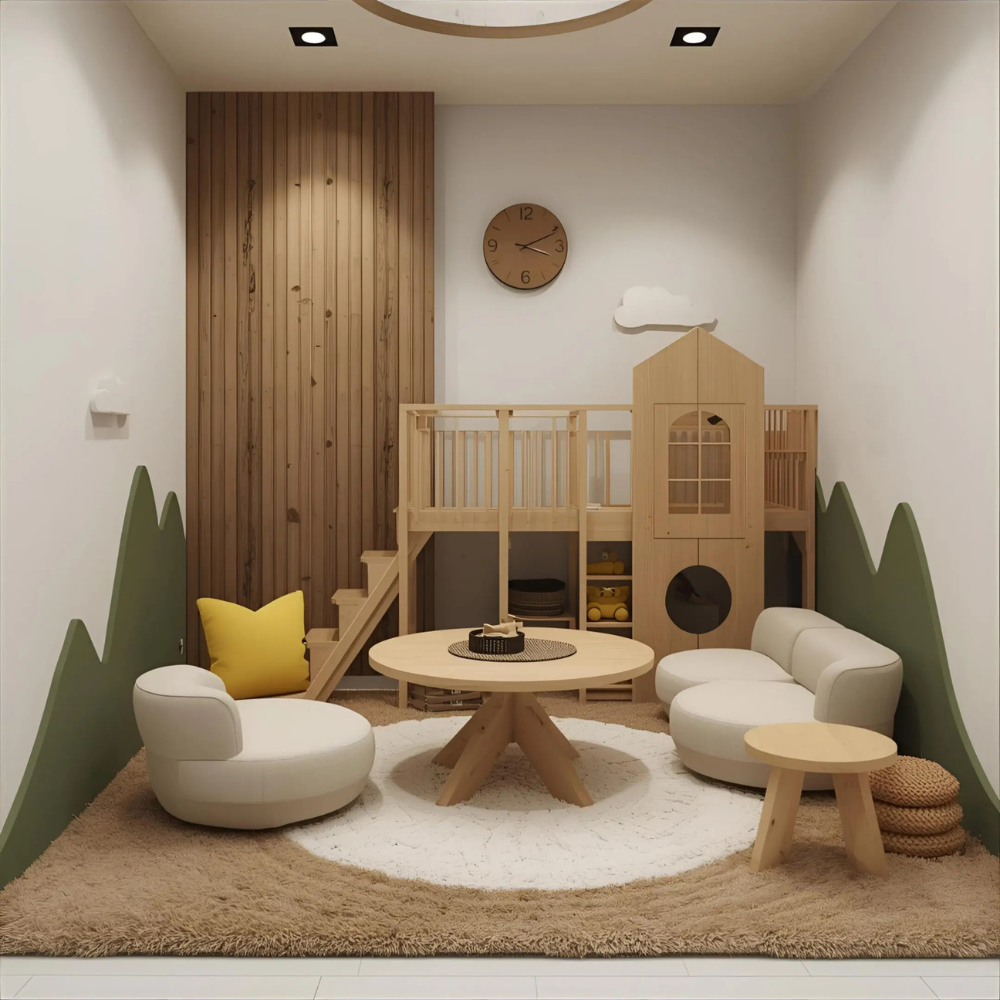
The result was a more supportive environment that helped children engage more comfortably with therapy. It was a reminder of what Sensory Interiors stands for: not perfection for its own sake, but strategic design choices that make life easier for the people who use a space every day.
A Broader Mission for Inclusive Design
Sensory Interiors is not only a design studio. It is also part of a wider movement to bring sensory-informed interior design into public conversation. As awareness of neurodiversity grows, families, educators, clinicians, and business owners are asking better questions about the spaces they create. Sensory Interiors is helping answer them.
The firm now extends its expertise beyond clinics into homes, schools, pediatric and geriatric offices, workplaces, and wellness settings. It also collaborates with community partners to educate the public on the importance of sensory-supportive design. In addition, the company offers an annual Community Support Program that provides complimentary three-room consultations to selected families with limited resources who have children on the autism spectrum.
That commitment reflects the heart of the brand. Sensory Interiors does not treat inclusive design as a niche add-on. It treats it as a necessary evolution in how we think about interiors. In a world that often asks neurodivergent individuals to adapt to overwhelming environments, this studio asks a better question: what if the environment adapted to them?
Explore More About Sensory Interiors
Connect with Sensory Interiors, Lily Riefkohl on LinkedIn, Sensory Interiors on LinkedIn, Instagram, and Facebook.

Miami Highlight Contributor
Covers the local desk, reporting on the neighbourhoods, businesses, and people of greater Miami.
This article features partner, contributor, or branded content from a third party. Members of the Miami Highlight editorial staff were not involved in the creation of this content. All views and opinions are those of the contributor alone.
You May Also Like

Matthew Fornaro: South Florida Business Litigator

Teleplay Sureste: The Voice of Southeast Mexico

Atlantic Health Strategies: Modernizing Behavioral Health Through Purpose-Built...

South Florida Begins October With Heavy Rain, Flooding...

Ken Griffin Gives $3 Billion to Carnegie Mellon...