Florida’s First Black Bear Hunt in a Decade Sparks Debate Over Wildlife Policy and Conservation
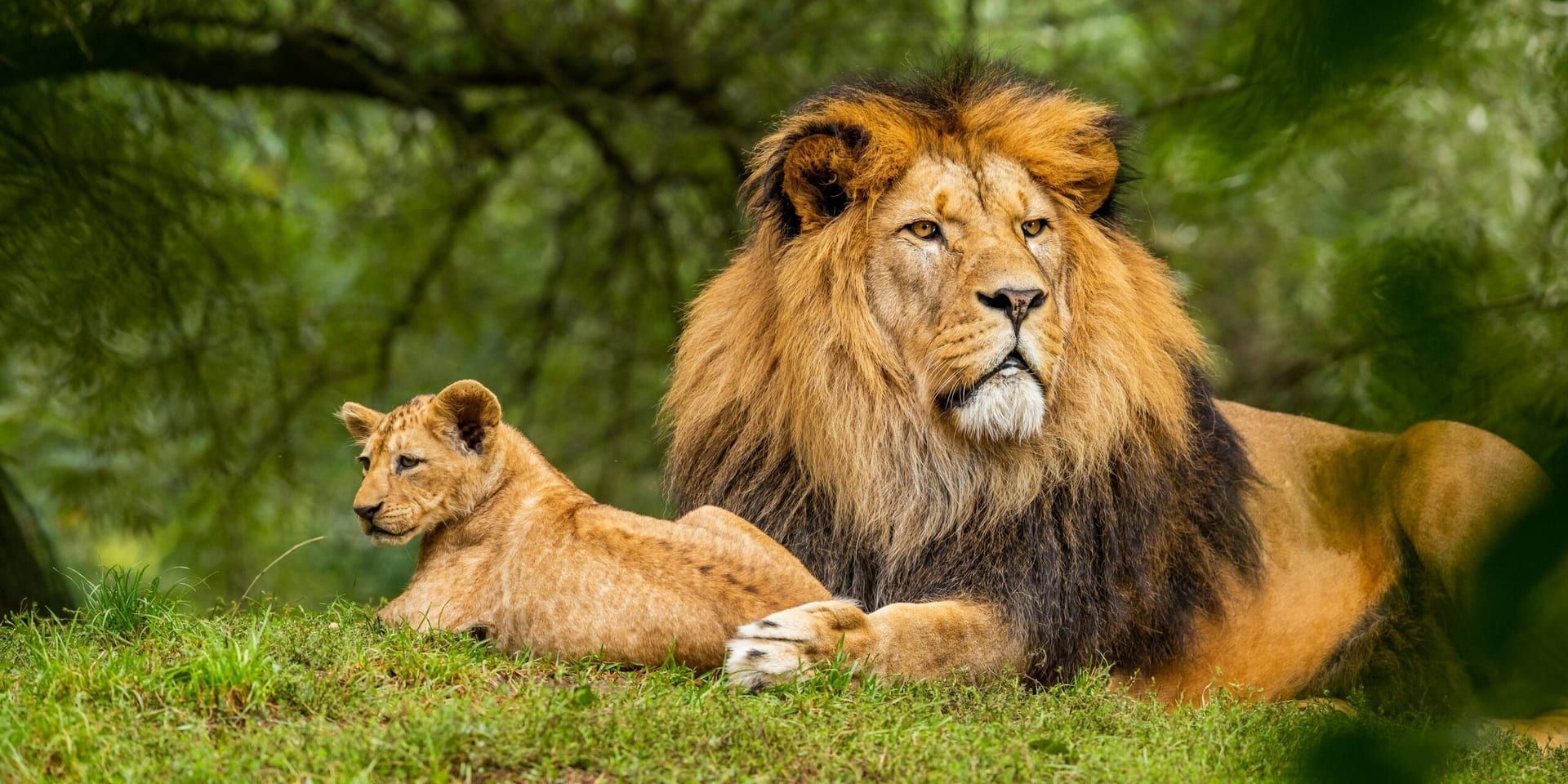
Florida’s black bear population — once on the brink of disappearance — is now at the center of a renewed policy debate following the state’s first sanctioned bear hunt in over a decade. The Florida Fish and Wildlife Conservation Commission (FWC) confirmed that 52 black bears were killed in the 2025 hunt, which concluded on December 28 and marked a major milestone in Florida’s evolving approach to wildlife management. With over 160,000 people applying for just 172 permits, the limited hunt drew significant public attention and reignited long-standing divisions between advocates of regulated hunting and conservationists concerned about its broader implications.
The hunt, held across four designated zones, was part of a broader strategy aimed at controlling what state officials say is a surging black bear population, now estimated to exceed 4,000 animals statewide. The bear population, which had dropped to only a few hundred in the 1970s due to habitat loss and unregulated hunting, has made a dramatic recovery over the past several decades. This comeback was hailed as a conservation success story, bolstered by habitat protections, public education, and scientific monitoring. Yet, that same success has created new challenges as bears increasingly come into contact with residential communities, prompting officials to explore population management tools — including regulated hunts.
Supporters of the hunt argue that it was a measured and scientifically supported method of maintaining ecological balance. Wildlife managers have emphasized that the number of permits was kept deliberately low to ensure sustainability. Each permit holder was allowed to take only one bear, and hunters were required to report their harvests using a digital check-in system. Officials have stated that these safeguards were designed to ensure the hunt remained within biological limits and that bear populations would not be adversely affected. Proponents also contend that hunting, when well-regulated, helps reduce bear-human conflicts, including property damage, vehicle collisions, and incidents involving garbage or unsecured food sources that attract bears into suburban areas.
However, opponents have pushed back sharply, questioning the necessity, transparency, and ethics of the hunt. Conservation groups argue that other non-lethal tools — such as public education, bear-proof trash systems, and habitat preservation — are more effective and humane in managing bear populations. They also voiced concerns about the self-reporting system used during the hunt, which lacked in-person check-in stations. Critics claim this method creates the potential for underreporting or misreporting of bear harvests, complicating efforts to monitor the hunt’s ecological impact. Some advocacy groups even encouraged members to enter the permit lottery to prevent those intent on hunting from obtaining a license — a symbolic protest that reflects the intense feelings surrounding the issue.
The current bear hunt also draws historical comparisons to Florida’s controversial 2015 season, which resulted in 304 bear kills in just two days and led to the suspension of all future hunts. That earlier hunt, marked by an unexpectedly high harvest rate and public outcry over the killing of lactating females, drew national scrutiny and multiple legal challenges. In the years following, the FWC engaged in extensive population studies and public outreach, culminating in the more restrictive 2025 plan that sought to avoid past mistakes while addressing a growing number of bear-related incidents in developed areas.
Despite these precautions, the 2025 hunt has sparked renewed debate about the broader role of hunting in modern wildlife management. Critics question whether Florida, a state that touts itself as a leader in conservation, should sanction lethal methods for a species that remains emblematic of successful recovery. They also argue that reintroducing hunting may weaken public trust in wildlife institutions and could undermine decades of educational efforts that have taught residents to coexist with wildlife. Many Floridians remain deeply divided, with polls and town halls reflecting stark differences in opinion across urban and rural lines, generational perspectives, and political ideologies.
Supporters maintain that the hunt was a responsible application of science-based wildlife policy and that it represents only one of many tools used to ensure the long-term health of Florida’s ecosystems. Some biologists and land managers have noted that black bear densities are higher in certain regions than available habitat can support, increasing the likelihood of negative encounters. In this view, carefully managed hunting, along with habitat conservation and public education, offers a balanced path forward.
Looking ahead, the FWC is expected to release a full report in early 2026 detailing the demographics of the harvested bears, compliance rates among hunters, and the overall effectiveness of the hunt in achieving its stated goals. That report could prove decisive in determining whether future bear hunts will be scheduled and whether adjustments to the current permitting and reporting systems will be made. The findings will likely play a critical role in shaping both public sentiment and state policy in the years to come.
For now, Florida remains at the center of a national conversation about the evolving relationship between humans and wildlife, especially in rapidly developing regions where urban expansion intersects with long-standing animal habitats. Whether the 2025 bear hunt marks the beginning of a new era in state wildlife management or an isolated experiment will depend not only on the outcomes reported but on the broader public’s willingness to engage with complex questions about conservation, coexistence, and ecological responsibility.

Miami Highlight Contributor
Covers politics, statewide affairs, and long-form investigations across Florida.
This article features partner, contributor, or branded content from a third party. Members of the Miami Highlight editorial staff were not involved in the creation of this content. All views and opinions are those of the contributor alone.
You May Also Like

Inter Miami Draws Record Crowd in 1-1 Match...

Amazon and Qualcomm Establish Multigenerational Partnership for AI...
Five People Killed After Amazon Cargo Plane Crashes...
Amazon Cargo Plane Crashes at Miami International Airport,...

No. 7 Miami Hurricanes Open Season With Stanford...