The Miami Film Festival, one of South Florida’s most prominent cultural showcases, announced on November 21 that its 2026 edition will feature a newly established Virtual Reality (VR) section. This expansion represents a significant step in the festival’s evolution, highlighting its commitment to emerging forms of storytelling and positioning Miami as a creative nexus for immersive media. Known for celebrating diverse voices and cinematic innovation, the festival now aims to integrate the growing influence of interactive technology into its programming.
The introduction of the VR category is set to open new doors for filmmakers and digital artists alike, particularly those exploring cutting-edge formats such as 360-degree narrative films, gamified storytelling, augmented reality experiences, and other immersive environments. Submissions for the new category will begin in early December, with festival organizers expressing optimism about the level of interest from both local creators and international studios. The expansion is not only a strategic move to keep pace with evolving media trends, but also a conscious effort to amplify Miami’s burgeoning tech-driven creative scene.
Festival organizers emphasized that a key goal of the new VR section is to spotlight Florida-based innovators. A special focus will be placed on showcasing work from regional VR studios, student production teams, and independent creators working in immersive storytelling. The aim is to elevate local talent by providing them with a high-profile platform that attracts audiences, investors, and collaborators from around the globe. By prioritizing this regional spotlight, the Miami Film Festival hopes to foster greater collaboration between traditional filmmakers and emerging digital artists, creating a hybrid creative community that reflects the city’s multifaceted identity.
Elena Gómez, director of the Miami Film Festival, described the decision to include VR as both a reflection of where storytelling is heading and a natural progression for a city like Miami. “This is a place where culture, technology, and innovation already intersect in exciting ways,” she explained. “By bringing immersive media into the festival, we’re not only celebrating new forms of storytelling—we’re also giving Miami’s tech-savvy creators a chance to engage with the world on their own terms.”
Miami’s tech and creative sectors have grown rapidly in recent years, supported by new incubators, university research programs, and investment in digital media production. Institutions like Florida International University and the University of Miami have launched programs focused on immersive technology, virtual production, and interactive media. Startups and independent studios across the region are increasingly experimenting with XR (extended reality) formats, often blending traditional cinematic techniques with innovative tech solutions. The festival’s VR section is expected to serve as a convergence point for these different streams, offering an annual showcase that reflects both the local industry’s achievements and its future aspirations.
The festival’s expansion into immersive media mirrors broader trends seen at other international festivals. Prestigious events such as Venice, Tribeca, and Sundance have all introduced VR and AR programming to their lineups in recent years, signaling a global recognition of immersive storytelling as a serious artistic and commercial medium. By taking similar steps, the Miami Film Festival affirms its relevance in this shifting cultural landscape while adding its own unique voice to the conversation—one rooted in a city known for bold creativity and multicultural vibrancy.
The addition of VR is also expected to have ripple effects beyond the arts sector. As part of its rollout, the festival plans to develop dedicated physical spaces for immersive installations, likely drawing new tourism and investment into the local economy. The creation of these experiences will require collaboration across a range of industries, from architecture and event production to software development and user interface design. This cross-disciplinary engagement aligns with Miami’s broader ambitions to become a leader not only in entertainment, but in innovation and digital culture.
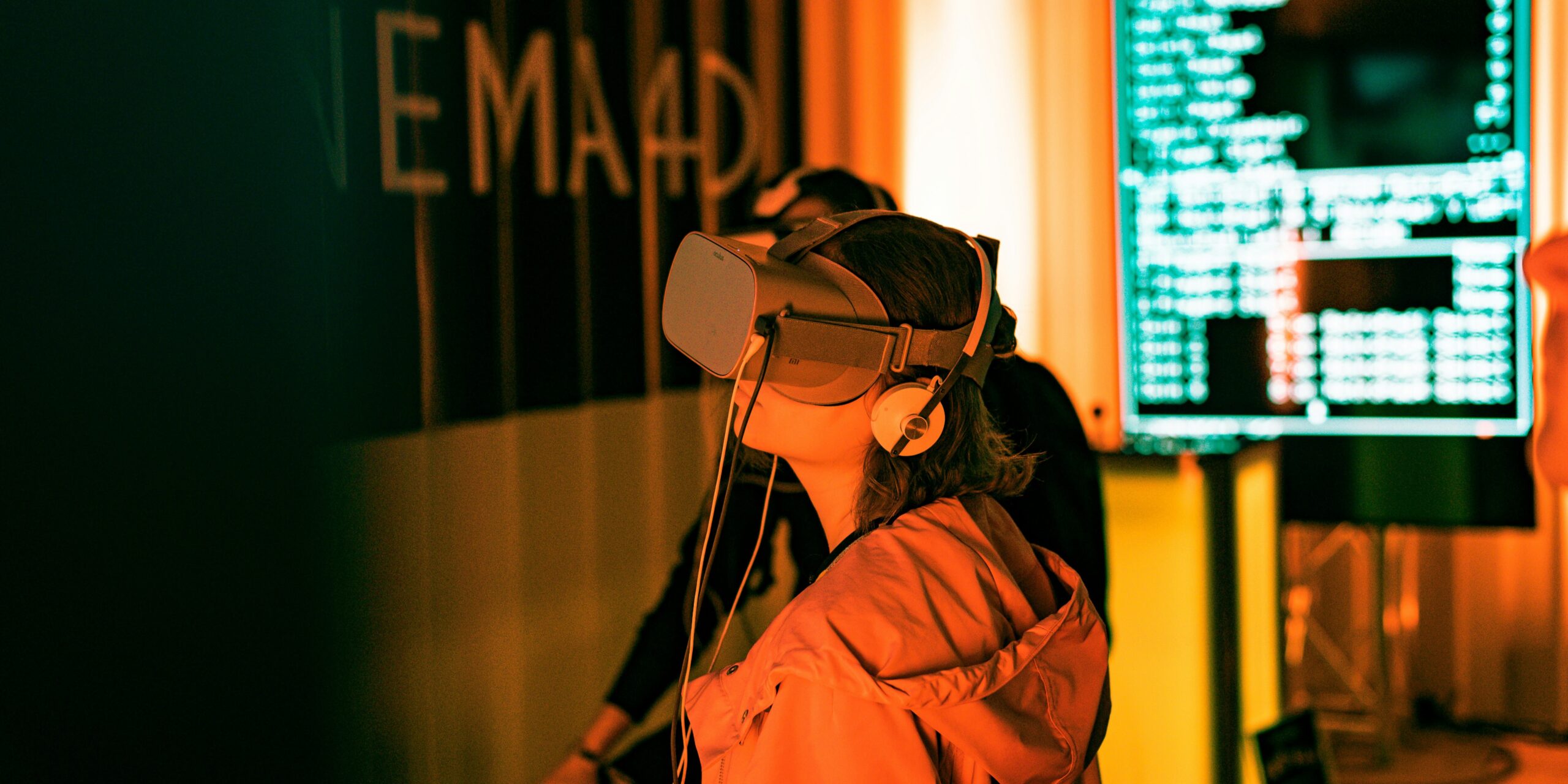
As the submission window opens in December, anticipation is already growing. Festival officials report a surge of interest from independent artists, university teams, and tech studios hoping to participate in the inaugural VR showcase. Organizers are currently finalizing plans for the exhibition space, which will feature interactive installations allowing festivalgoers to engage with immersive stories in tactile, physical environments. These experiences are expected to range from VR headsets and motion-tracking environments to full-room augmented reality displays, offering a multi-sensory dive into the future of storytelling.
For the Miami Film Festival, this expansion represents more than a new program category—it is a declaration of intent. In embracing the future of visual storytelling, the festival is reaffirming its mission to champion innovation, elevate underrepresented voices, and reflect the ever-changing face of the entertainment industry. As Miami continues to rise as a cultural and technological powerhouse, the integration of immersive media into its most prestigious film event feels both timely and inevitable.
Through this bold step, the Miami Film Festival not only expands its artistic scope but also cements its role as a leader in defining what the next era of film and storytelling will look like. In doing so, it offers audiences and creators alike a glimpse into a future where technology, culture, and imagination converge to create experiences unlike anything seen before.