
Miami-Broward Carnival Opens in Broward With Youth Performances and Caribbean Cultural Celebrations
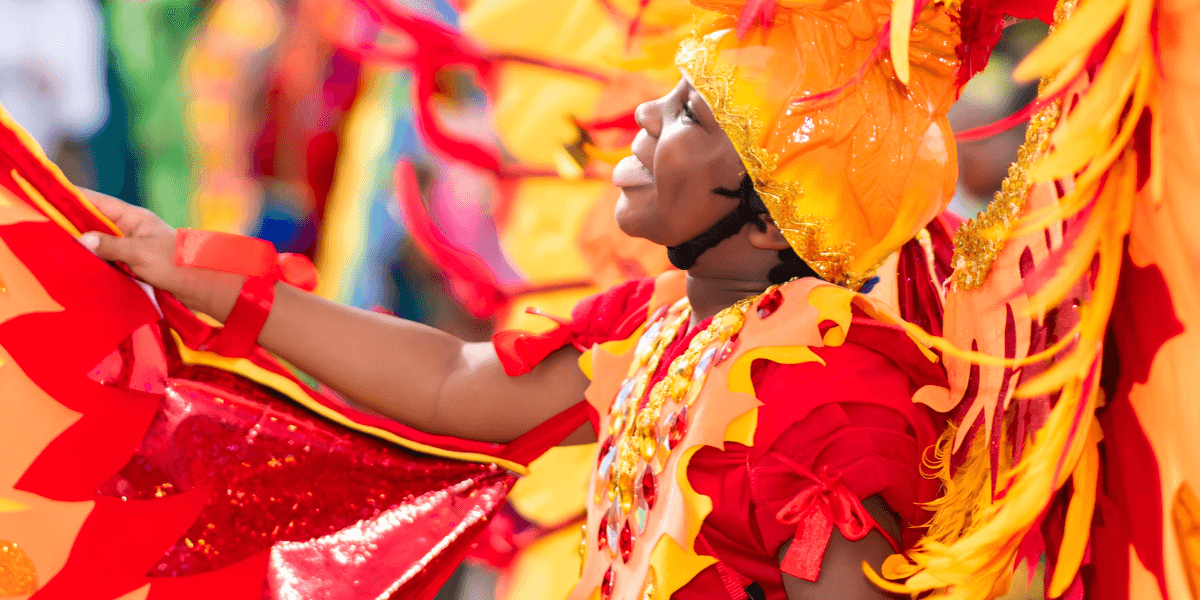
The annual Caribbean celebration launches a new chapter in Broward County, featuring youth masquerade groups, steel bands, and community activities.
Miami-Broward Carnival began its 2026 celebrations in Broward County, opening a new edition of one of South Florida’s major Caribbean cultural events with activities designed to bring families, performers, and communities together. The opening festivities featured Junior Carnival and Pan Jamboree programming at the Tamarac Sports Complex, reflecting the region’s longstanding connections to Caribbean music, costume traditions, and cultural expression.
The event marked a notable change in the carnival’s organization. Its principal parade and major festivities moved to Broward County for the first time, placing a larger share of the celebration within a county that has a substantial Caribbean community and an established calendar of cultural events. The relocation also broadened the event’s geographic identity beyond Miami-Dade, where major carnival activities had traditionally been staged.
A Celebration Rooted in Caribbean Heritage
Carnival is an important expression of Caribbean cultural identity, combining music, dance, elaborate costumes, and community participation. South Florida’s carnival traditions reflect the area's connections to Caribbean nations and territories, including Trinidad and Tobago, Jamaica, Haiti, and other parts of the region.
The opening-day program centered on younger participants and steel-band performers. Junior Carnival provided a platform for youth masquerade groups, while Pan Jamboree highlighted the steel-pan tradition, an instrument and musical form closely associated with Trinidad and Tobago.
The combination offered a way for younger generations to participate in cultural traditions that are often passed through families, schools, community organizations, and performance groups. It also created a public setting in which residents from different backgrounds could experience Caribbean music and costume arts.
The opening activities were scheduled at Tamarac Sports Complex, with the program organized in partnership with local public-sector and tourism organizations. The events were listed as free, making them accessible to families and visitors who wanted to participate without purchasing admission.
Broward Takes a Larger Role
The decision to move the main carnival celebrations into Broward County represents a significant organizational shift for an event associated with the broader Miami metropolitan area.
Miami-Dade and Broward are closely connected through employment, transportation, tourism, and family networks. Their cultural calendars frequently attract audiences from across county lines. A large public celebration can therefore serve residents in several communities rather than only those living near its host venue.
By concentrating the main parade and major festivities in Broward, the carnival’s organizers placed more of the event’s activity within that county. The change also creates opportunities for Broward-based cultural organizations, performers, hospitality businesses, and local vendors to participate in the celebration.
The relocation does not remove Miami-Dade from the carnival’s identity. The event continues to draw on a regional Caribbean community whose social and cultural networks extend across South Florida.
Community Participation and Local Economic Activity
Large cultural gatherings can support surrounding businesses through visitor spending on food, transportation, accommodation, and other services. Events can also provide exposure for performers, costume designers, musicians, cultural organizations, and small vendors.
The extent of those benefits depends on attendance, visitor spending, event organization, and how much activity takes place outside the main venue. No verified economic-impact total was established in the available event announcements, so the financial effect of the 2026 relocation should not be assumed.
Nevertheless, the carnival’s concentration of activities in Broward creates a practical opportunity for the county to showcase its cultural diversity. Free community programming may also help introduce younger residents and first-time visitors to traditions they might otherwise encounter primarily through family or community networks.
Organizers and participating groups must coordinate performance schedules, crowd movement, transportation, and public access to ensure that cultural programming remains accessible and safe. Those logistical considerations become especially important when multiple activities take place across a regional celebration.
A Regional Cultural Tradition Continues
The opening of Miami-Broward Carnival demonstrated how cultural events can evolve while maintaining their central purpose: bringing communities together through shared traditions.
The emphasis on youth masquerade and steel-band performances also underscored the importance of cultural continuity. Public events allow experienced performers to share traditions with younger participants while giving audiences opportunities to engage directly with Caribbean arts.
For South Florida, the carnival is more than a single-day gathering. It reflects the influence of Caribbean communities on the region’s cultural life and illustrates how local institutions can help preserve that heritage through public programming.
The 2026 edition began with a geographic shift, but its core focus remained familiar: music, costumes, community participation, and the celebration of Caribbean identity across South Florida.

Miami Highlight Contributor
Covers entertainment and sport, following the performers and teams that define the city's weekends.
This article features partner, contributor, or branded content from a third party. Members of the Miami Highlight editorial staff were not involved in the creation of this content. All views and opinions are those of the contributor alone.
You May Also Like

Dr. Ahriana Platten On Why Menopause May Be...
Matthew Fornaro: South Florida Business Litigator
Teleplay Sureste: The Voice of Southeast Mexico
Coral Gables Introduces Same-Day Permit Reviews for Eligible...
Atlantic Health Strategies: Modernizing Behavioral Health Through Purpose-Built...