
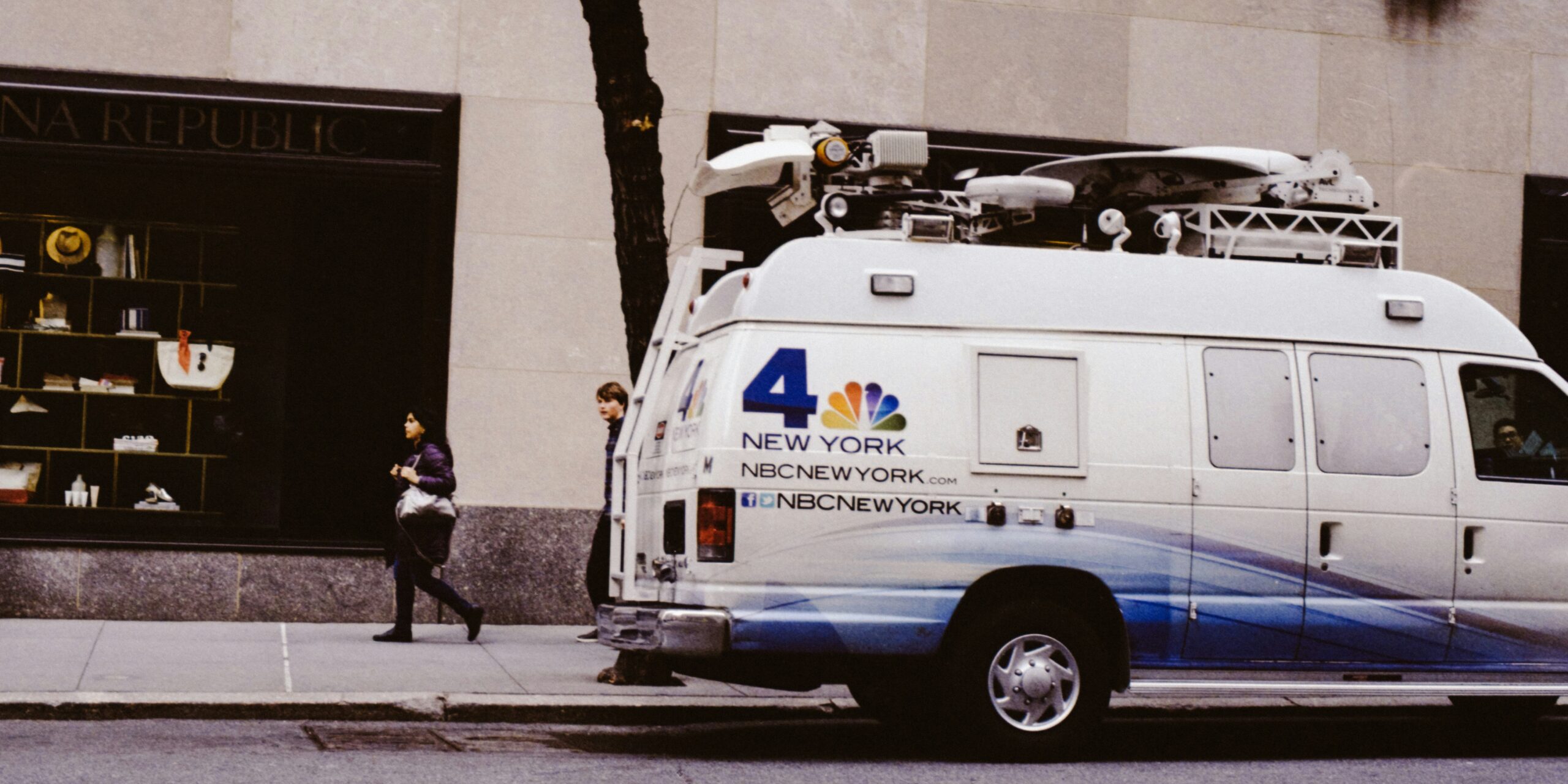
On January 24, 2026, as a powerful winter storm impacted a wide stretch of the United States, causing snow, ice, and hazardous conditions, U.S. news organizations and media analysts turned their attention to how well the media covered the storm’s effects and communicated critical information to the public. The storm, which disrupted transportation, led to numerous flight cancellations and significant travel delays, affecting millions of people across dozens of states. As the storm unfolded, many reporters and news outlets worked around the clock to provide real-time updates on travel disruptions and emergency preparedness.
However, as the coverage continued, questions began to emerge about how effectively information—such as weather forecasts, transportation delays, and storm impacts—was communicated across various platforms. Some audiences and media critics raised concerns about the clarity and accessibility of the reports. For instance, were critical travel warnings presented in ways that were easy to understand for diverse audiences? Did the outlets balance urgency with the need for accurate and clear information? And were the forecasts and updates made readily available across different media channels, including TV, social media, and digital platforms?
This conversation about media coverage of major weather events is ongoing and has prompted many news organizations to reflect on how they handle large-scale emergencies, especially when millions of Americans are affected. Journalists have been debating how to strike the right balance between urgency and accuracy, particularly in a fast-moving situation where misinformation could easily be spread, and public safety is at stake. Additionally, transparency has become a key topic, with many questioning how news outlets prioritize which information to report and whether all sources of information are presented clearly, without exaggeration or sensationalism.
The ongoing debate has highlighted the evolving expectations of audiences in the digital age. As consumers increasingly turn to online platforms and social media for real-time updates, they expect immediate, transparent information—often alongside live feeds, updates, and interactive maps. While many media outlets have risen to meet these demands, the pressure on journalists to provide timely yet accurate reporting has grown. This is particularly true in the case of weather emergencies, where public safety depends on people having access to the most reliable and up-to-date information.
In addition, the rapid spread of information on social media platforms has raised the stakes for news organizations, as they must now compete with real-time user-generated content. While social media can amplify the reach of official warnings, it also opens the door for rumors and misinformation to spread quickly. News outlets are thus facing the challenge of maintaining their credibility in an environment where anyone with a smartphone can share information—true or not.
As the storm’s impacts subsided and the media continued its coverage, it became clear that the conversations surrounding the quality of reporting and transparency were not just about how to inform the public during extreme weather events. They also raised broader questions about journalistic standards, public trust, and the role of the media in crisis communication. Media outlets are being called upon to ensure that their coverage not only delivers important information but does so in a way that is accessible, clear, and free from sensationalism.
This issue may continue to evolve as more severe weather events occur in the coming years, and it’s likely that public expectations will continue to shift in response to the growing reliance on digital platforms for immediate updates. Moving forward, the storm’s aftermath may serve as a case study for how the media can better handle large-scale events, balancing speed, transparency, and accuracy to meet the needs of the public.