
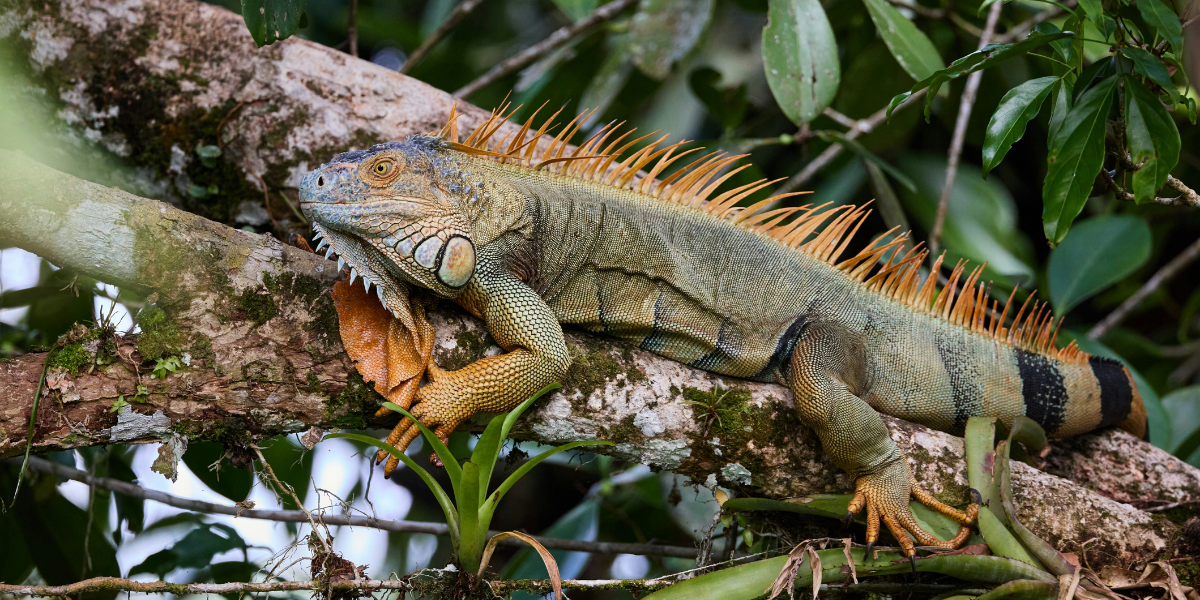
South Florida experienced an unusually strong cold front over the first days of February 2026, bringing rare temperatures to the region and an unexpected impact on local wildlife , most notably the invasive green iguana. The severe chill has led to thousands of reptiles becoming “cold‑stunned,” leaving residents, wildlife officials, and community groups grappling with how to respond to the phenomenon.
Record Temperature Drop Across South Florida
Florida is known for its subtropical climate, where winter temperatures typically remain mild. However, an atypical push of Arctic air swept into the southeastern United States this week, driving overnight lows well below the usual averages for Miami‑Dade and neighboring counties. In many areas, nighttime temperatures hovered in the 30s and low 40s Fahrenheit, a rare occurrence that has not been seen in this part of the state in recent memory.
While most native wildlife can find shelter or enter torpor safely, green iguanas , an invasive species widespread throughout South Florida , are especially vulnerable to cold. These cold‑blooded reptiles depend on ambient warmth to regulate their body temperatures. When exposed to prolonged cold, their nervous systems essentially shut down, rendering them immobile and causing them to fall from trees where they are commonly found perched.
“Cold‑Stunned” Iguanas Rain Down
Local news reports and wildlife officials confirmed that thousands of green iguanas have become cold‑stunned and fallen from branches or sought refuge on the ground as temperatures dropped. This dramatic scene has been witnessed in neighborhoods from Miami to as far north as Broward County.
In their paralyzed state, the reptiles are at risk of hypothermia and death if not given a chance to warm up. While cold‑stunning does not necessarily mean immediate death , many iguanas can recover once temperatures rise , it presents a significant moment for wildlife management.
Florida Fish and Wildlife Response
The Florida Fish and Wildlife Conservation Commission (FWC) has been advising residents on how to handle cold‑stunned iguanas safely. Officials noted that the current cold snap offers an opportunity to reduce the robust population of this non‑native species. Because green iguanas have caused environmental challenges , including erosion of canal banks, damage to infrastructure, and harm to native vegetation , the FWC encouraged the public to humanely capture the cold‑stunned lizards and bring them to designated drop‑off points for processing.
Importantly, the FWC has clarified that these guidelines are meant to be practical and safety‑focused; residents are urged to use caution when handling wildlife and to follow FWC instructions to avoid injury to themselves or further stress to the animals.
Public Safety and Community Involvement
City and county authorities in Miami‑Dade and surrounding regions have been monitoring the situation closely, issuing reminders about safe behavior during the cold spell. No major threats to public safety directly related to the wildlife event have been reported, though authorities emphasize that the weather conditions themselves , including icy mornings , warrant caution for drivers, pedestrians, and outdoor workers.
Residents have taken an active role in documenting unusual sightings and participating in community wildlife efforts. Social media has seen a flurry of photos and videos capturing iguanas in atypical places , on sidewalks, near parks, and even inside residential yards , as Floridians adapt to the brief but impactful change in conditions.
Climate Patterns and Future Outlook
Meteorologists and climate experts highlight that while South Florida’s climate is generally warm year‑round, extreme cold snaps are not unprecedented. These events, often linked to larger atmospheric patterns such as Arctic air intrusions or oscillations in the jet stream, can occur sporadically and have increasing ecological impacts as species distributions shift.
For the residents of Miami and the broader South Florida region, the focus remains on weather safety in the short term and on the ongoing management of non‑native species like the green iguana. As temperatures are forecast to moderate later in the week, wildlife officials expect many cold‑stunned iguanas to recover if properly sheltered or warmed, although the long‑term effects on local populations will continue to be monitored.
Key Takeaways for South Florida
- Unusually cold temperatures have affected South Florida, with lows uncommon for the region.
- The cold has caused mass cold‑stunning of green iguanas, an invasive reptile species.
- The FWC has guided residents on capturing and handling immobilized iguanas safely.
- Community engagement has grown around wildlife sightings and safety practices.
- Residents are advised to stay informed about weather changes and wildlife guidance as conditions evolve.
This rare meteorological event, while temporary, underscores the ways in which sudden weather shifts can intersect with local ecosystems and daily life in the Miami‑area community.