
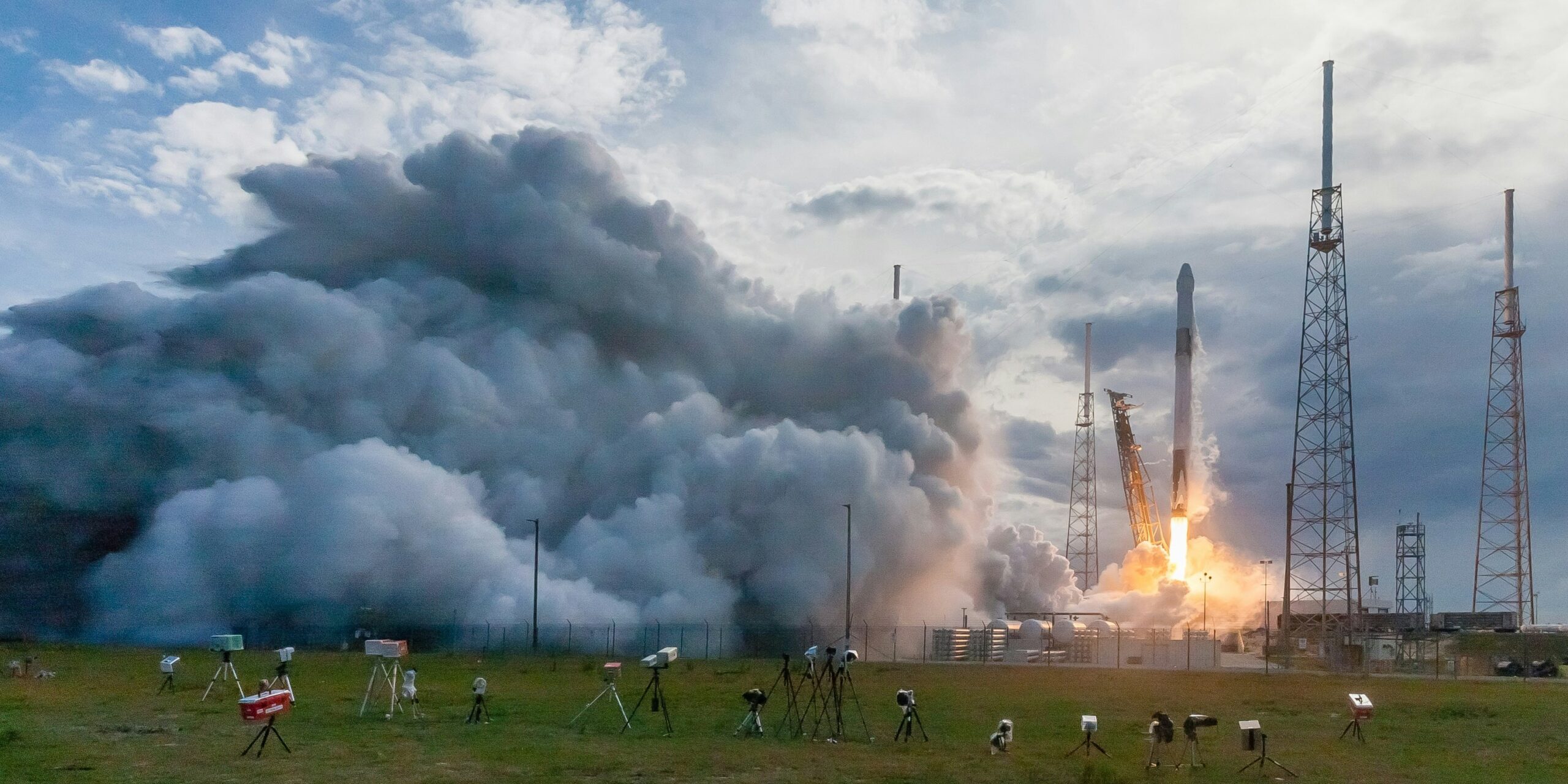
On December 16, 2025, Florida’s Space Coast saw another significant milestone in the field of space exploration and commercial technology. The United Launch Alliance (ULA) successfully launched 27 Amazon Leo satellites from Space Launch Complex-41 at Cape Canaveral Space Force Station. This launch is a major step forward in Amazon’s satellite internet initiative, known as Project Kuiper, which aims to provide high-speed broadband connectivity to underserved and remote regions around the globe. The project is designed to bridge the digital divide by offering affordable, reliable internet access to areas that are not well-served by traditional broadband infrastructure.
The launch occurred early in the morning, with the Atlas V rocket lifting off in the pre-dawn hours. The rocket successfully deployed the satellites into low Earth orbit, where they will join Amazon’s expanding constellation of satellites. Each new batch of satellites brings the company one step closer to completing its vision of a global broadband network. As these satellites begin their operational phase, they will work together to form a vast communication network designed to compete directly with existing services like SpaceX’s Starlink, which has already made significant strides in the satellite internet market.
Amazon’s Project Kuiper is one of the most ambitious efforts to use satellite technology for global internet access, and this launch marks an important moment in its development. The goal of the initiative is to provide reliable broadband service to billions of people around the world, especially those in rural or remote locations where terrestrial internet infrastructure is either sparse or non-existent. With internet usage becoming an essential part of modern life—driving everything from education and business to healthcare and government services—this initiative holds the potential to significantly impact global connectivity, particularly in developing regions.
The competition between Amazon’s Project Kuiper and SpaceX’s Starlink will be a defining aspect of the future of satellite broadband. While Starlink has already launched thousands of satellites and is providing service to many users, Amazon’s entry into the market is expected to intensify the race for global dominance in satellite internet. As both companies continue to launch more satellites and expand their networks, the global internet landscape could change dramatically, offering high-speed connections to areas that have historically been left behind by traditional broadband providers.
Beyond the technological advancements, the successful launch of the Amazon Leo satellites highlights Florida’s growing importance as a center for space activities. The Space Coast, which has long been known as the site of NASA’s historic space missions, has become an increasingly important hub for commercial space companies. The region has attracted significant investments and partnerships from both private and public space enterprises, making it one of the most vital locations in the U.S. for space exploration and innovation.
Local officials and industry leaders have emphasized that Florida’s infrastructure, including Cape Canaveral Space Force Station, has made it an ideal location for companies like ULA and Amazon to launch their satellite missions. The region’s capacity for handling multiple space launches, combined with its proximity to critical aerospace companies, has made it a focal point for the growing commercial space sector. With the continued expansion of satellite services and space infrastructure, Florida is poised to play a crucial role in the future of space technology.
The launch also underscores the increasing role of private companies in shaping the future of space exploration. With more commercial enterprises entering the field, the traditional dominance of government space agencies is being complemented by private sector innovation. Companies like Amazon, SpaceX, and others are pushing the boundaries of what is possible in terms of satellite technology, space transportation, and communication systems. Their success is driving the development of new technologies and creating new opportunities in the global space economy.
Looking ahead, Amazon’s Project Kuiper has the potential to revolutionize the way people access the internet, especially in parts of the world where connectivity has historically been limited. With the successful deployment of 27 Leo satellites, Amazon has taken another important step toward achieving its goal of global internet coverage. As more satellites are launched and integrated into the system, the company’s vision for a worldwide broadband network becomes increasingly within reach. This is a pivotal moment not just for Amazon but for the future of global connectivity, and it highlights the transformative potential of space-based technologies in bridging the digital divide.
For Florida’s Space Coast, this launch is a testament to the region’s growing prominence in the commercial space sector. As more space missions are carried out from Cape Canaveral and other facilities along the coast, the area is solidifying its reputation as a key player in the evolving space industry. The successful launch of the Amazon Leo satellites is another reminder of how space exploration and technology are reshaping industries on Earth, and Florida is at the heart of it all.