
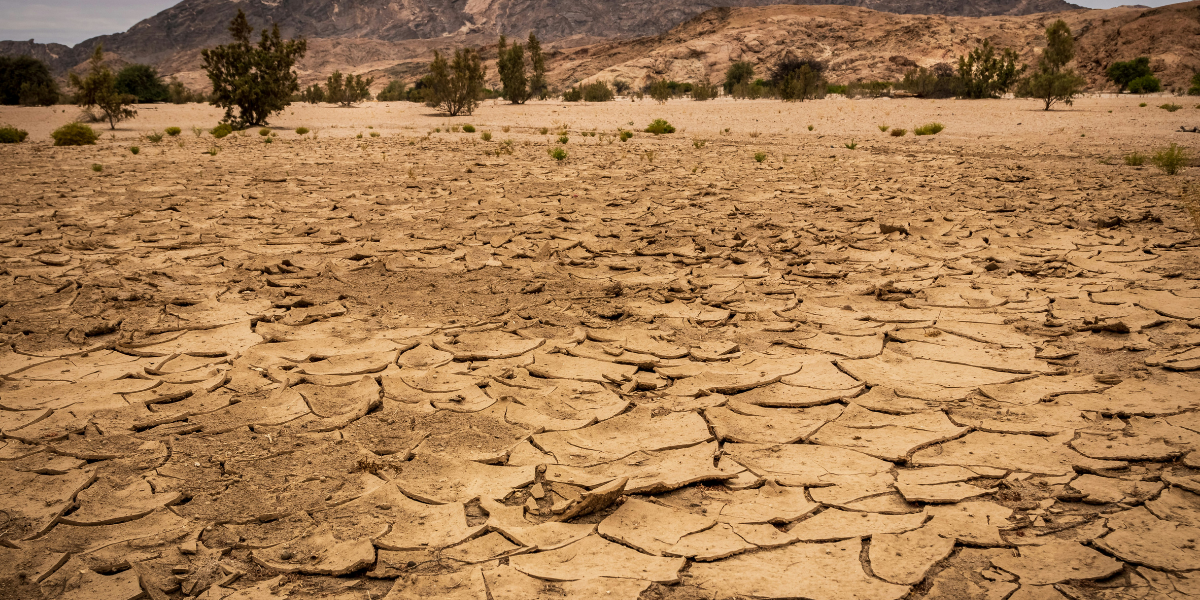
MIAMI, South Florida residents woke up to a series of weather challenges today, February 13, as the region grapples with increasingly severe drought conditions and unpredictable weather patterns. The combination of low rainfall and rising temperatures has put a significant strain on water resources, agriculture, and daily life across the Miami‑Dade and Broward counties, while transportation and local businesses are also feeling the impact.
Rising Drought Concerns in Miami and Beyond
As of today, local weather agencies report that South Florida is experiencing some of the most severe drought conditions seen in recent years. According to the South Florida Water Management District (SFWMD), rainfall for the region has been 50% lower than average over the past few months. This lack of precipitation, combined with above-average temperatures, has led to decreased water levels in both freshwater sources and the region’s sensitive Everglades ecosystem. Experts warn that continued dry conditions could exacerbate these water shortages, leading to restrictions on water use, particularly for agriculture and landscape irrigation.
“The drought is having far-reaching effects,” said Dr. Laura Richards, an environmental scientist at the University of Miami. “Not only is the aquifer drying up, but we’re also seeing the salinization of groundwater, which is a serious issue for both our drinking water supply and our agricultural activities.”
In the wake of this, state officials have begun considering water conservation measures to ensure that the community has sufficient resources in the months ahead. These measures may include water use limits for both residential and commercial properties, particularly in the hardest-hit areas of Palm Beach, Broward, and Miami-Dade counties.
Weather Challenges Impacting Miami’s Transportation
In addition to the drought, today’s weather also brought challenging conditions to Miami’s transportation network. Dense fog blanketed the city early in the morning, significantly reducing visibility on roads, highways, and at airports. The Miami International Airport (MIA) reported several flight delays as a result of the fog, with crews working to clear the runways for incoming and outgoing flights. Travelers are urged to check with airlines for the latest updates on flight statuses.
Drivers on major highways, including I-95 and the Florida Turnpike, faced slow traffic due to reduced visibility. The Miami-Dade Police Department issued a reminder for commuters to exercise extra caution, reduce speed, and turn on headlights in foggy conditions.
“Visibility was almost zero in some areas, especially near the downtown skyline and along the coast,” said Lt. Robert Fields, a spokesperson for the Miami-Dade Police. “We encourage everyone to avoid unnecessary travel, but if you must be on the road, please be patient and vigilant.”
Agricultural Sector Struggling to Adapt
South Florida’s agricultural sector is also feeling the strain of ongoing dry conditions. Farmers in the region, particularly those who rely on citrus, sugarcane, and vegetable crops, have reported that irrigation systems are struggling to meet the growing demand for water. With water reserves at critical levels, many are concerned that a poor harvest this year could affect both local supply and prices for produce in the broader market.
Local citrus farmers in areas like Homestead have expressed concern about the impact of the drought on their crops. The combination of reduced water availability and unusually warm weather has resulted in smaller-than-usual fruit yields. This situation is compounded by the rising cost of irrigation, which some farmers are struggling to afford in the current economic climate.
“We’re seeing fewer oranges, and the quality isn’t what it used to be,” said Maria Alvarez, a citrus farmer based in Homestead. “Without adequate rainfall, irrigation becomes the only option, but it’s become so expensive that it’s hard to keep up.”
Possible Relief on the Horizon?
While the situation is dire, there may be hope for some short-term relief. The National Weather Service (NWS) has forecasted a potential shift in weather patterns for the weekend. Meteorologists predict that a cold front moving through the area in the coming days could bring some much-needed rain to Miami and the surrounding regions. However, it remains uncertain whether this rainfall will be enough to make up for the ongoing deficit.
“It’s important to manage expectations,” said Timothy Brown, a senior meteorologist with the NWS. “While we may see some rain, it likely won’t be enough to break the drought. Continued monitoring will be essential, and we advise the public to continue with water conservation efforts.”
For now, the focus is on coping with current conditions and preparing for a long-term water conservation plan.
Community Impact and Public Response
As residents adjust to the challenging weather, community members have been stepping up to assist each other in various ways. Local organizations, such as the Miami Climate Alliance and The Everglades Foundation, have been working to raise awareness about water conservation and the importance of sustainable practices. On social media, Miamians have shared tips on how to reduce water use and plant drought-resistant landscaping to help save water.
“The community has really come together in this difficult time,” said Javier Martinez, a Miami resident and environmental advocate. “There’s a lot of concern, but there’s also a shared responsibility to protect the resources we have left.”
As the drought continues to affect Miami and its surrounding areas, it remains clear that both residents and officials will need to collaborate on innovative solutions to conserve water and protect the region’s delicate ecosystem. While the current weather may bring short-term challenges, the long-term recovery will depend on how effectively South Florida adapts to these changing environmental realities.
Looking Ahead
As we move into the latter part of February, the situation in South Florida is still developing. With possible rain on the horizon, Miamians are hopeful but remain cautious. Experts agree that addressing the challenges of drought and fluctuating weather will require both local action and broader regional efforts. Water conservation, coupled with adaptation to increasingly erratic weather patterns, will be key to ensuring that the area remains sustainable for future generations.
For now, South Florida residents are urged to stay informed, conserve resources, and prepare for potentially more unpredictable weather ahead.