
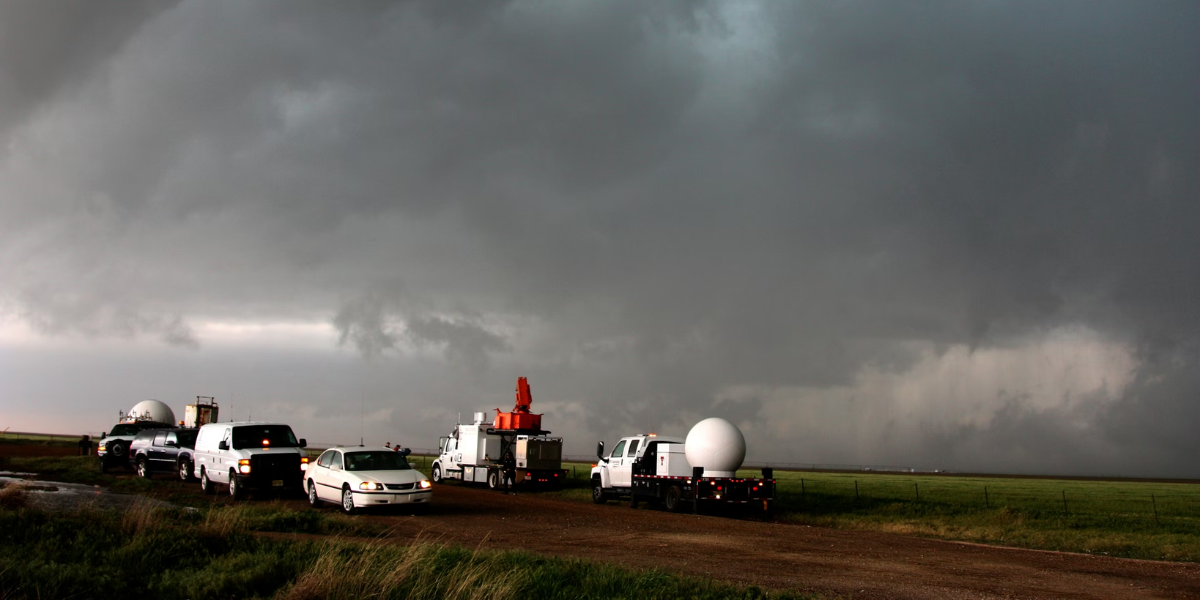
On April 7, 2026, a powerful storm system moving across the southeastern United States brought heavy rainfall, localized flooding, and transportation disruptions to parts of South Florida, including the Miami metropolitan area. Officials issued multiple weather advisories throughout the day as conditions intensified, urging residents to remain cautious amid rapidly changing conditions.
The storm system developed overnight and strengthened as it moved eastward across the Gulf of Mexico before making landfall along Florida’s western coast. By early morning, bands of intense rain and thunderstorms began impacting South Florida, with Miami-Dade and Broward counties experiencing some of the heaviest precipitation totals.
Meteorologists reported rainfall accumulations ranging from 3 to 6 inches in several areas, with isolated pockets receiving even higher amounts within a short time frame. The intensity of the rainfall overwhelmed drainage systems in certain neighborhoods, leading to temporary street flooding and water pooling in low-lying areas. Emergency management officials in Miami advised residents to avoid driving through flooded roadways and to remain indoors during periods of lightning and high winds.
Local emergency management teams activated monitoring protocols early in the day, coordinating with agencies to track conditions and respond to any incidents. While no widespread evacuations were necessary, authorities reported several minor rescues involving stalled vehicles and stranded motorists. Public safety teams were deployed to assist in high-risk areas and ensure that road closures were clearly communicated.
Transportation systems were also affected as the storm progressed. Portions of major roadways experienced temporary closures due to flooding, causing delays during peak commuting hours. At Miami International Airport, officials confirmed minor flight delays and schedule adjustments as storms passed through the region. While airport operations remained largely functional, travelers were advised to check flight statuses in advance.
Public schools in parts of South Florida continued normal operations but implemented precautionary measures, including limiting outdoor activities and closely monitoring weather updates. Local officials emphasized that decisions regarding closures or schedule changes would be made based on real-time conditions, prioritizing student and staff safety.
The storm system also brought strong wind gusts, with some areas reporting speeds exceeding 40 miles per hour. These conditions led to scattered reports of downed tree branches and minor power outages. Utility crews responded quickly to restore service, and by late afternoon, most affected areas had regained power.
Experts noted that the storm was part of a broader weather pattern affecting much of the southeastern United States. Warmer-than-average sea surface temperatures in the Gulf contributed to increased moisture levels, intensifying rainfall as the system moved inland. While not classified as a tropical storm, the system demonstrated characteristics similar to early-season subtropical disturbances, highlighting the evolving nature of regional weather patterns.
By the evening hours, the most severe conditions had begun to subside as the storm system moved further into the Atlantic. However, meteorologists warned that residual moisture could continue to produce scattered showers overnight. Officials urged residents to remain alert for any additional advisories and to report hazardous conditions to local authorities.
The event serves as a reminder of South Florida’s vulnerability to sudden and intense weather changes, particularly during transitional seasons. Emergency management agencies reiterated the importance of preparedness, encouraging residents to stay informed through official channels, maintain emergency kits, and have contingency plans in place for severe weather events.
In recent years, local governments across Florida have invested in improving stormwater infrastructure and emergency response systems to better handle such events. While these measures have helped reduce long-term risks, officials acknowledged that short-term disruptions remain possible during periods of heavy rainfall.
Key takeaways from the April 7 storm include the importance of timely weather alerts, coordinated emergency response efforts, and public awareness. Residents who followed official guidance were able to avoid major incidents, underscoring the value of preparedness and communication during severe weather events.
As South Florida continues to experience dynamic weather conditions, experts emphasize the need for ongoing vigilance and adaptation. While the storm caused only limited damage and disruptions, it highlighted the region’s exposure to increasingly unpredictable weather patterns and the critical role of community readiness in minimizing impacts.