
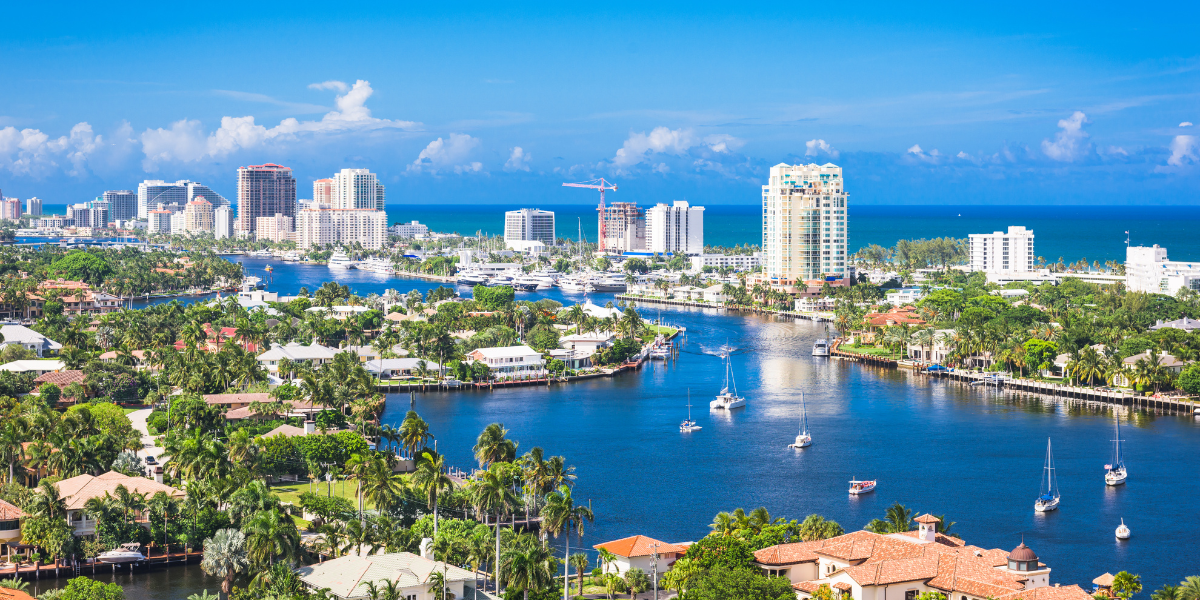
FORT LAUDERDALE, FL , A proposed expansion of Port Everglades is drawing significant attention across South Florida this week, as federal agencies, environmental scientists, and business leaders weigh the long-term economic benefits against potential ecological consequences. The project, led by the U.S. Army Corps of Engineers, aims to deepen and widen the port’s shipping channels to accommodate larger cargo vessels, a move supporters say would strengthen Florida’s position in global trade.
Port Everglades, located in Broward County, is one of the nation’s busiest cruise and cargo ports and plays a vital role in South Florida’s economy. Officials estimate that the expansion could generate hundreds of millions of dollars annually in additional economic activity by allowing larger container ships to dock and improving overall cargo efficiency. Business leaders argue that as global shipping fleets transition to larger vessels, infrastructure upgrades are necessary to remain competitive with other major ports along the Gulf and Atlantic coasts.
However, environmental advocates and marine scientists have expressed serious concerns about the project’s potential impact on nearby coral reef systems. The waters off Broward County are home to sections of the Florida Reef Tract, the only living coral barrier reef in the continental United States. Scientists warn that dredging operations could disturb sediment on the ocean floor, potentially smothering corals and harming sensitive marine ecosystems.
Past dredging projects in South Florida have resulted in documented coral loss and long-term habitat disruption. Environmental groups point to those experiences as a cautionary example, urging federal agencies to conduct comprehensive biological assessments before moving forward. Coral reefs serve as essential habitats for fish populations, protect shorelines from storm surge, and support South Florida’s tourism and diving industries. Any damage to these ecosystems could have ripple effects beyond marine biodiversity, including impacts on local businesses that rely on healthy coastal waters.
Project planners have stated that environmental mitigation measures are central to the expansion strategy. Nearly half of the overall budget is expected to be allocated toward coral relocation, habitat restoration, and monitoring efforts. Engineers have also proposed updated dredging techniques designed to minimize sediment spread. Supporters maintain that with modern technology and oversight, the project can proceed responsibly while protecting marine life.
The debate comes at a time when Florida’s coral reefs are already under stress from climate change, rising ocean temperatures, and disease outbreaks. In recent years, scientists have documented significant coral bleaching events throughout the region. Critics argue that introducing additional physical disturbance could compound existing vulnerabilities.
Local leaders in Broward and Miami-Dade counties are closely watching the federal review process. The port expansion is viewed as a strategic economic investment, particularly as Florida continues to experience rapid population growth and increased consumer demand. At the same time, South Florida residents have become increasingly vocal about environmental protection and sustainable development.
Public meetings and environmental review periods are expected to continue in the coming months, providing opportunities for community input. The final decision will likely hinge on whether federal regulators determine that mitigation efforts are sufficient to offset environmental risks.
For Miami and the broader South Florida region, the outcome of the Port Everglades proposal represents more than a single infrastructure project. It highlights the ongoing challenge of balancing economic growth with environmental stewardship in a state uniquely defined by its coastal resources. As discussions move forward, residents, policymakers, and industry stakeholders alike will be watching closely to see how Florida navigates this critical crossroads.