
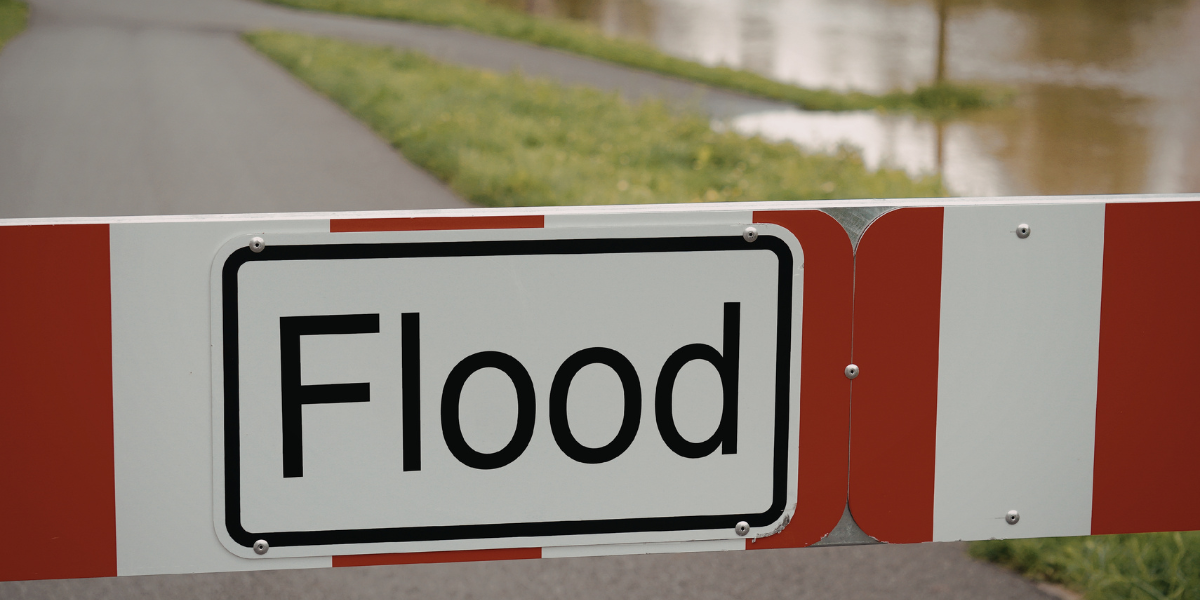
On April 1, 2026, officials in Miami announced a significant milestone in one of the city’s largest climate adaptation efforts, marking the formal expansion of its coastal resilience infrastructure program. The initiative, designed to address increasingly frequent flooding and sea-level rise, includes the installation of new stormwater pumps, elevation of critical roadways, and reinforcement of vulnerable shoreline areas across several neighborhoods.
City leaders confirmed that the latest phase of the project will focus on low-lying communities that have experienced repeated tidal flooding, often referred to locally as “sunny day flooding.” These areas, including parts of Miami Beach and surrounding districts, have been identified as high-risk zones due to their elevation and proximity to the Atlantic coastline.
The newly approved phase builds on years of planning and earlier construction work. Engineers and urban planners have prioritized improvements that not only mitigate flooding but also maintain accessibility and safety for residents and businesses. According to project outlines released today, more than a dozen additional pump stations will be installed, alongside upgrades to drainage systems designed to move water more efficiently during heavy rainfall and high tides.
A key component of the initiative involves raising road elevations in flood-prone corridors. Several streets that currently experience periodic closures due to water accumulation will be reconstructed at higher levels. This approach aims to ensure that emergency services, public transportation, and daily traffic can continue to operate even during adverse conditions.
Environmental considerations are also central to the project. City planners emphasized that the resilience strategy incorporates green infrastructure, including the expansion of mangrove habitats and permeable surfaces that help absorb excess water. These natural solutions are intended to complement engineered systems, creating a more balanced and sustainable approach to flood management.
The expansion reflects growing urgency as data continues to show rising sea levels along Florida’s southeastern coast. Recent measurements indicate that Miami is among the most vulnerable major cities in the United States when it comes to coastal flooding. The combination of porous limestone geology and gradual sea-level increase makes traditional flood barriers less effective, requiring innovative and multifaceted responses.
Local business owners and residents have expressed cautious optimism following the announcement. For many, the effects of recurrent flooding have been both disruptive and costly, impacting property values, insurance rates, and daily life. The promise of improved infrastructure offers hope for greater stability, although some community members have raised concerns about construction timelines and potential disruptions during implementation.
Officials acknowledged these concerns and stated that project scheduling would aim to minimize inconvenience. Construction is expected to begin in targeted zones later this year, with phased rollouts designed to keep key routes open whenever possible. Public updates and community engagement sessions are planned to ensure transparency throughout the process.
Funding for the expansion comes from a combination of municipal budgets, state-level support, and federal resilience grants. The investment represents one of the largest allocations toward climate adaptation in the region to date. Authorities noted that long-term cost savings, particularly in reduced flood damage and infrastructure repairs, were a major factor in justifying the expenditure.
Experts in urban planning and environmental science have pointed to Miami’s efforts as part of a broader trend among coastal cities adapting to changing climate conditions. Similar projects are underway in other parts of Florida and across the United States, but Miami’s scale and urgency make it a closely watched example.
Beyond infrastructure, the initiative also highlights the importance of forward-looking city planning. Officials emphasized that resilience measures are now being integrated into new development guidelines, ensuring that future construction aligns with evolving environmental realities. This includes stricter elevation requirements for buildings and improved water management systems in new developments.
The significance of today’s announcement extends beyond immediate flood mitigation. It underscores a long-term commitment to protecting communities, supporting economic stability, and preserving the region’s livability. Miami’s economy, heavily reliant on tourism, real estate, and coastal amenities, depends on maintaining functional and accessible urban spaces.
As the project moves into its next phase, city leaders reiterated that adaptability will remain a guiding principle. Continuous monitoring of environmental conditions and infrastructure performance will inform future adjustments, allowing the city to respond effectively to emerging challenges.
For residents, the expansion represents both a practical response to present-day issues and a proactive investment in the future. While challenges remain, particularly in balancing development and environmental protection, the initiative marks a significant step toward building a more resilient Miami in the face of ongoing climate pressures.