
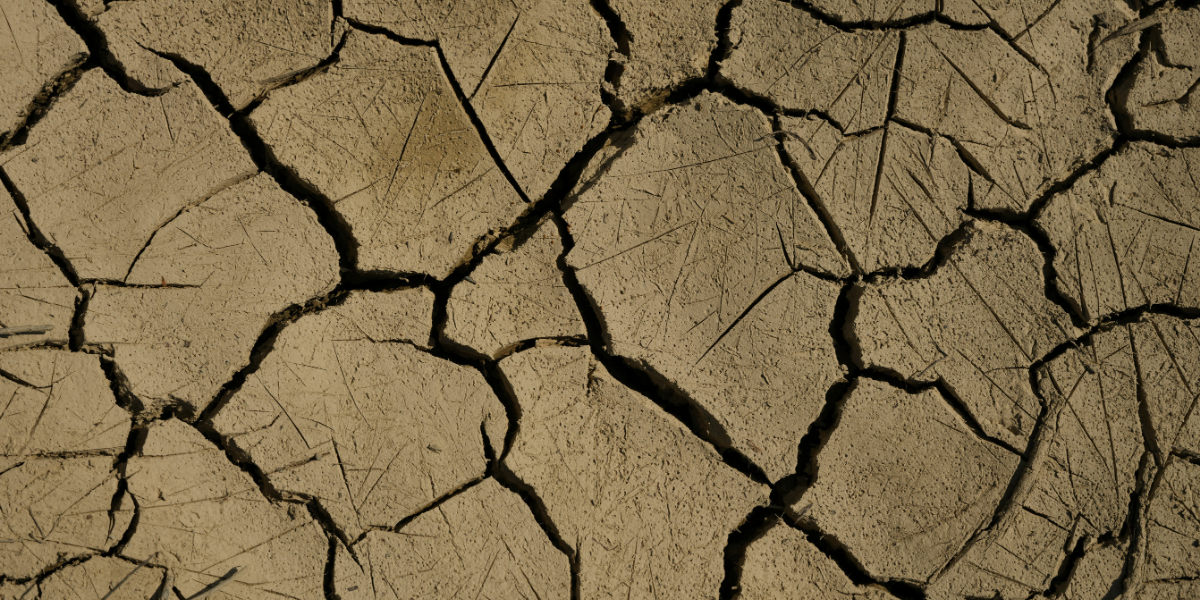
On Tuesday, February 10, 2026, officials in Miami‑Dade County issued urgent water conservation advisories as part of a broader statewide drought that’s intensifying across Florida. The move comes as local water authorities warn that sustained dry conditions and below‑average rainfall threaten the area’s main water source, the Biscayne Aquifer, and could have long‑term consequences for residents, businesses, and ecosystems throughout South Florida.
Drought Conditions Worsening Across Florida
According to the U.S. Drought Monitor, approximately 95% of Florida is currently experiencing drought conditions, with the remaining areas classified as “abnormally dry.” This represents a significant expansion compared with previous months, attributable to a prolonged dry season and a notable rainfall deficit.
In Miami‑Dade specifically, rainfall data show that since November 1, 2025, Miami International Airport has recorded about 4 inches of rain, nearly 3 inches below normal for this period. Without meaningful rainfall in the coming weeks, water levels in local aquifers are expected to decline further through the end of the dry season in May.
Why This Matters Locally
The Biscayne Aquifer supplies water to millions of South Florida residents, including those in Miami‑Dade, Broward, and parts of Palm Beach counties. As groundwater levels fall, experts warn there’s an increased risk of saltwater intrusion, in which salty ocean water pushes into freshwater aquifers, a process that can degrade water quality and complicate future treatment and supply.
Saltwater intrusion is already impacting parts of the state’s water infrastructure, and without mitigation efforts, could threaten residential water taps and agricultural irrigation. The aquifer’s health is critical not only for everyday consumption but also for industries that depend on fresh water, including tourism, construction, and landscaping sectors that remain active throughout the winter months.
Official Response: Water Conservation Appeals
In response to these conditions, the South Florida Water Management District has issued a water shortage warning for Miami‑Dade and surrounding communities. County officials are urging residents to adopt voluntary conservation measures to reduce non‑essential water use. Suggested actions include:
- Limiting outdoor watering and irrigation.
- Fixing household leaks and using water‑efficient fixtures.
- Reducing washing car frequency and other high‑usage activities.
“Water is life, and conservation today helps safeguard our water resources for the future,” Miami‑Dade County said in a press release emphasizing the joint responsibility of residents and businesses to reduce consumption.
Impact on Daily Life and Local Economy
The push for conservation comes at a time when South Florida is a hotspot for seasonal population increases, tourism, and outdoor activities. Water restrictions could impact:
- Landscaping and gardening, widely practiced in residential communities.
- Hospitality and tourism sectors, where pools, golf courses, and resort grounds traditionally require substantial water use.
- Small businesses such as nurseries and car washes, which depend on water for operations.
Officials stress that early voluntary action can delay or prevent mandatory restrictions that would affect more sectors of daily life.
Looking Ahead: Risks and Resilience
Meteorologists and climate experts note that Florida’s dry season, typically running from November through May, is expected to persist, and rainfall forecasts do not indicate near‑term relief. Without substantial rainfall, groundwater levels could continue declining for months.
Local governments and water authorities are already planning longer‑term resilience measures, including upgrades to infrastructure, enhanced monitoring of aquifer levels, and public education campaigns about sustainable water use. These efforts aim to balance South Florida’s growth with the realities of changing climate and water availability.
Key Takeaways for Miami‑Dade Residents
- Drought conditions are expanding statewide, with Miami‑Dade facing serious water supply risks due to low rainfall and declining aquifer levels.
- Conservation is being strongly encouraged by the South Florida Water Management District to preserve freshwater resources and delay more severe restrictions.
- Saltwater intrusion and long‑term supply challenges could affect the region’s economy and quality of life if current trends continue through the dry season.
As Miami‑Dade residents and businesses grapple with these conditions, community cooperation and proactive conservation efforts will be key to sustaining South Florida’s water resources through one of the driest periods in recent memory.