
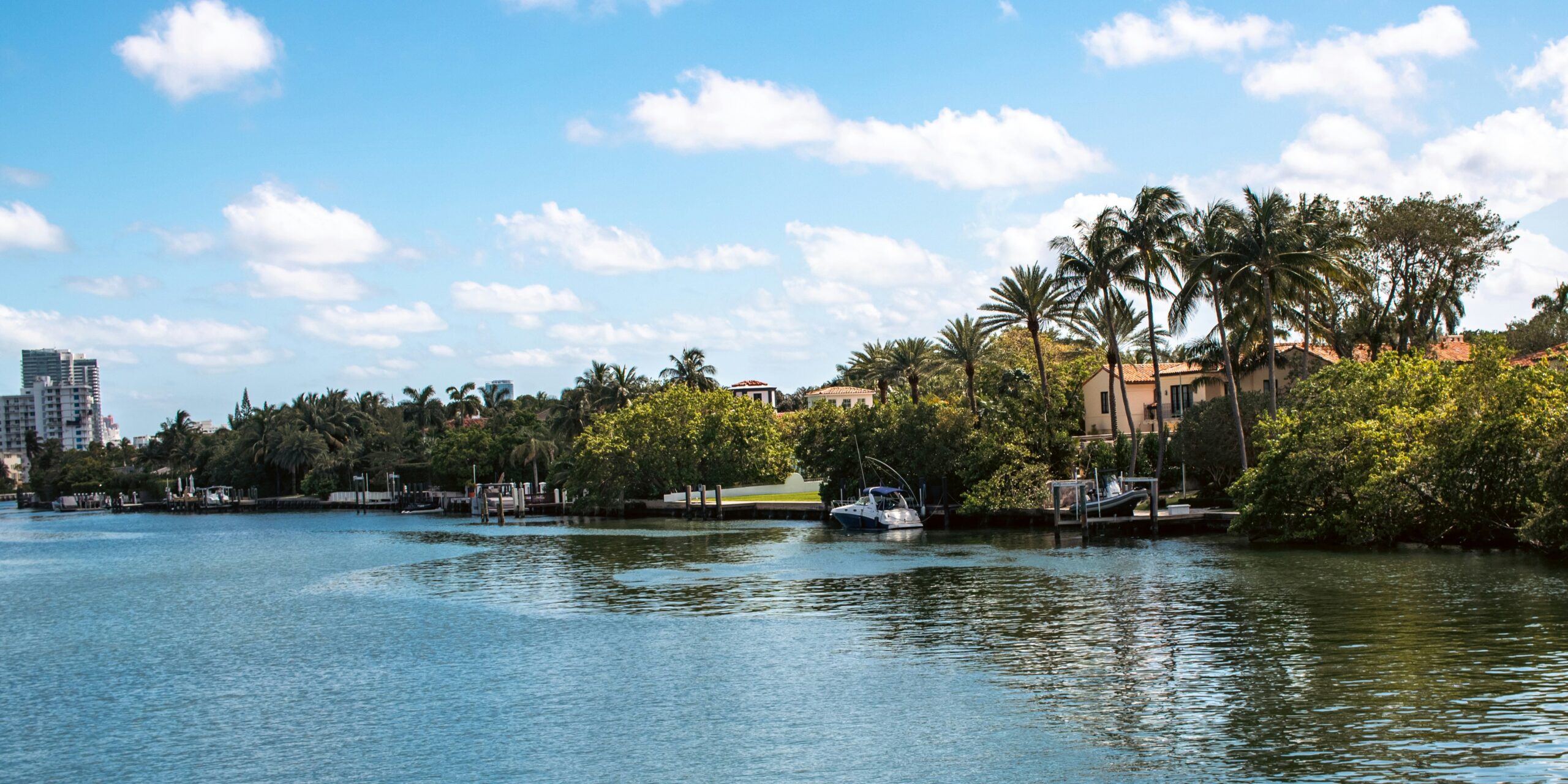
Florida officials unveiled a significant step in safeguarding the state’s water resources by allocating $112 million in state grants aimed at improving and protecting water quality across the state. This initiative is part of a broader, long-term effort to address growing concerns over the health of Florida’s waterways, particularly in coastal and environmentally sensitive regions. The funding comes at a time when water quality in many parts of the state has been under increasing pressure from pollution, rapid urban growth, and the effects of climate change. With this substantial investment, the state is positioning itself to make substantial strides in addressing these pressing environmental challenges.
The $112 million in grants is being framed by state leaders as an essential investment in Florida’s infrastructure and ecological resilience. This funding will help to support projects that tackle longstanding issues such as water pollution, wastewater management, and the preservation of the state’s natural resources. For years, Florida has struggled with water contamination due to agricultural runoff, septic tank failures, and urban development. These challenges have led to harmful algal blooms, diminished water quality, and threats to public health. The grants are aimed at mitigating these problems by providing financial support for a wide range of water management projects, from sewage treatment upgrades to waterway restoration efforts.
One of the key goals of these grants is to accelerate planned upgrades to Florida’s water systems, particularly in areas that have been historically underserved or affected by severe pollution. Local municipalities and environmental agencies will be able to use the funds to improve water treatment facilities, restore damaged ecosystems, and reduce the impact of pollution on sensitive water bodies. In many cases, these upgrades have been planned for years but have been delayed due to budget constraints or other factors. The influx of state funds will enable these projects to proceed more swiftly, ensuring that the improvements are implemented in a timely manner.
In addition to addressing the immediate needs of water quality, the grants are also intended to encourage sustainable water practices across the state. Florida has faced significant challenges in managing its water resources, particularly in light of increasing demand from its growing population and tourism industry. With the new funding, the state aims to support efforts to reduce pollution at its source, such as promoting better agricultural practices to limit runoff or improving wastewater management in urban areas. This is part of a broader shift toward more sustainable environmental policies that seek to balance growth and development with the preservation of Florida’s natural resources.
The funding also underscores the importance of state-level environmental policy in shaping Florida’s public infrastructure agenda. Traditionally, much of the responsibility for water quality management has fallen on local governments and private entities. However, the state has recognized that a coordinated, statewide approach is necessary to tackle the complex challenges facing Florida’s water systems. By investing in water quality improvements, the state is making a clear statement about its commitment to protecting the health of its residents and the environment. With many of Florida’s waterways critical to its tourism and agriculture industries, ensuring clean water is not only vital for ecological reasons but also for the state’s economic stability.
For residents and environmental advocates, the grants represent a promising shift toward more proactive and long-term solutions to water pollution. While the state has made efforts in the past to address these issues, the new funds signal an increased level of urgency and recognition of the scale of the problem. The allocation of these funds will allow Florida to begin making meaningful progress on some of its most pressing environmental challenges. From cleaner beaches to healthier marine ecosystems, the grants are expected to have a positive impact on both the state’s environment and the daily lives of its residents.
The initiative also highlights a broader trend in environmental policy, where state governments are taking a more active role in managing natural resources and public health. With the federal government increasingly stepping back from direct involvement in environmental regulation, states like Florida are stepping up to fill the void, recognizing that the protection of natural resources is integral to the well-being of future generations. As the grants are distributed and projects unfold, the state will likely see improved water quality, healthier ecosystems, and a more sustainable approach to water management that can serve as a model for other states facing similar challenges.
In conclusion, the allocation of $112 million in state grants to improve water quality marks a significant milestone in Florida’s ongoing efforts to protect its natural resources and ensure public health. The funding provides the necessary resources to address both immediate concerns and long-term challenges, offering hope for a cleaner, healthier future for Florida’s water systems. As the projects funded by these grants move forward, they will help to create a more sustainable and resilient environment, benefiting both the state’s ecosystems and its residents for generations to come.
Read Also: https://miamihighlight.com/new-waterfront-park-to-open-along-biscayne-bay/