
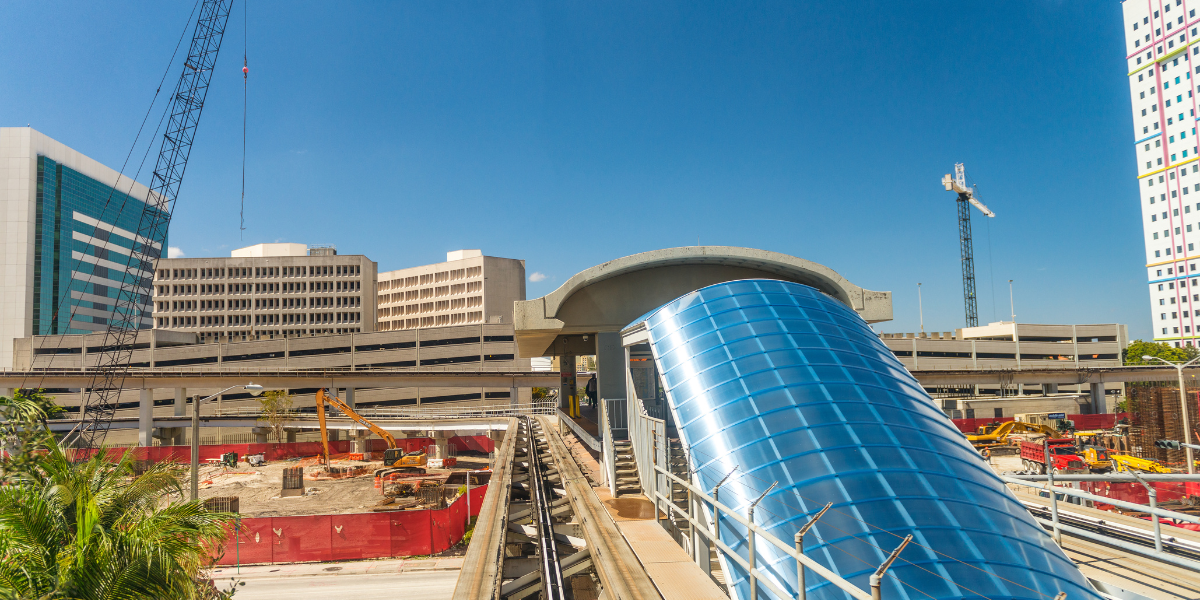
On March 28, 2026, Florida’s intercity rail provider Brightline announced a significant expansion of its South Florida service, adding new daily departures between Miami, Fort Lauderdale, and West Palm Beach. The move comes in response to steadily increasing ridership and growing demand for alternative transportation options across the region.
According to company officials, the updated schedule will introduce additional peak-hour trains and improved frequency throughout the day, aimed at easing congestion on major highways such as Interstate 95. Transportation analysts note that South Florida has experienced sustained population growth in recent years, placing pressure on existing infrastructure and intensifying the need for reliable, high-capacity transit solutions.
Data released by Brightline indicates that ridership has continued to climb in early 2026, building on strong gains recorded in 2025. The company attributes this trend to a combination of factors, including increased tourism, a return to in-person work for many industries, and rising interest in environmentally conscious travel alternatives. Public transportation experts have pointed out that rail systems like Brightline can reduce per-passenger emissions compared to car travel, making them an appealing option in densely populated corridors.
Local officials in Miami-Dade County welcomed the expansion, emphasizing its potential to improve regional connectivity and support economic activity. Business leaders in downtown Miami and surrounding districts have also expressed optimism, noting that improved rail access can increase foot traffic and facilitate easier commutes for employees. The expansion aligns with broader efforts by regional planners to create a more integrated transportation network that includes rail, buses, and pedestrian-friendly infrastructure.
The development comes amid ongoing discussions about long-term mobility planning in South Florida. The Florida Department of Transportation has previously highlighted the importance of multimodal transportation systems in addressing congestion and supporting sustainable growth. In recent reports, FDOT has emphasized that expanding transit options can help reduce travel times, improve air quality, and enhance overall quality of life for residents.
In addition to the service increase, Brightline announced enhancements to passenger experience, including upgraded station amenities and digital ticketing improvements. The company stated that these changes are intended to streamline travel and accommodate a broader range of riders, from daily commuters to occasional visitors. Industry observers note that customer experience has become a key differentiator in the competitive transportation sector, particularly as consumers weigh convenience and reliability.
The expansion also carries implications for South Florida’s tourism industry. Miami, already a major international destination, relies heavily on efficient transportation to connect visitors with attractions across the region. Improved rail service can make it easier for tourists to explore multiple cities without relying solely on car rentals, potentially boosting spending in neighboring communities. Tourism boards have increasingly promoted rail travel as part of a seamless visitor experience, especially for travelers seeking to avoid traffic congestion.
From a workforce perspective, expanded rail service may provide greater flexibility for employees who live outside Miami but work in the city. Housing affordability challenges have led many residents to seek homes farther from urban centers, increasing commute distances. Transportation planners suggest that reliable rail options can help bridge this gap, offering a practical alternative to long and unpredictable car commutes.
However, some transportation advocates caution that continued investment and coordination will be necessary to fully realize the benefits of expanded rail service. Experts emphasize the importance of integrating rail schedules with local transit systems, ensuring that last-mile connections are efficient and accessible. Without such coordination, the overall effectiveness of expanded service could be limited.
Recent studies from transportation research organizations indicate that regions with well-connected transit networks tend to experience stronger economic growth and improved mobility outcomes. In South Florida, where rapid development continues to reshape urban and suburban landscapes, infrastructure decisions made today are likely to have lasting impacts.
Community response to the announcement has been largely positive, with many residents highlighting the convenience of increased train frequency. Local discussions reflect a growing interest in alternatives to driving, particularly among younger professionals and environmentally conscious commuters. At the same time, some residents have called for continued investment in complementary transit options, including bus routes and bike-friendly infrastructure.
Looking ahead, Brightline has indicated that it will continue to monitor ridership trends and evaluate further service adjustments as needed. The company has also reiterated its commitment to long-term expansion, including potential future enhancements to existing routes.
The March 28 announcement underscores a broader shift in how South Florida approaches transportation. As population growth, economic development, and environmental considerations converge, the region is increasingly turning to diversified transit solutions to meet evolving needs.
For Miami and the surrounding areas, the expansion of Brightline service represents more than just additional train departures. It reflects a strategic effort to modernize transportation infrastructure, support regional connectivity, and address the challenges of a rapidly growing metropolitan area.